Dan Markiewicz Dan Markiewicz

Plugged In and Protected Common Electrical Hazards ⚡

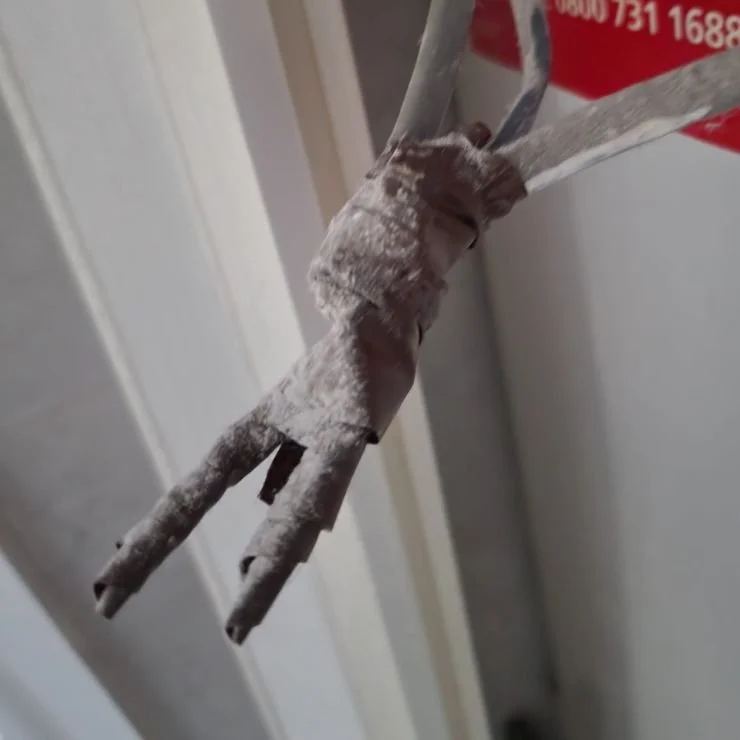
Unique case study: burned wires found at client’s home emergency call out


Plugged In and Protected: A Homeowner’s Guide to Common Electrical Hazards and Home Safety ⚡


In a world running on electricity, it’s easy to take the power behind our modern lives for granted—until something goes wrong. Every year, electrical faults are a leading cause of accidental fires in UK homes, resulting in devastating loss of property and, tragically, life. As your trusted local experts at Dan Electrician in Liverpool, we believe that understanding the risks is the first step towards robust home safety.

Are you unknowingly living with hidden dangers that could compromise your family’s well-being? This comprehensive guide will illuminate the most common electrical hazards around the home and provide preventive measures to keep your Liverpool dwelling safe, efficient, and fully compliant with UK electrical standards.


The Silent Threat: Identifying Common Electrical Hazards


The electrics in your home are largely hidden, which means the signs of danger can be subtle. Being aware of the following typical hazards is crucial for proactive maintenance.


1. Overloaded Outlets and Circuits
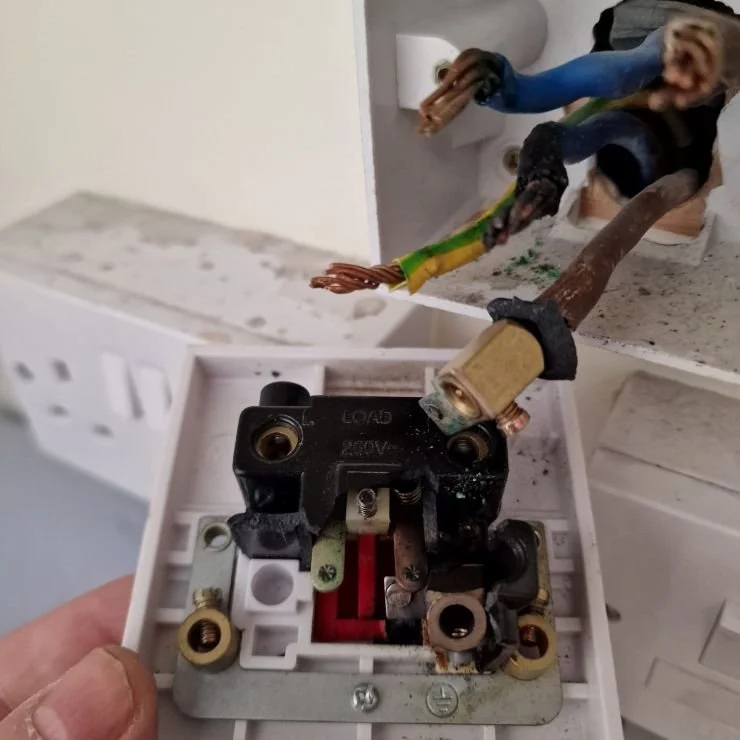
burned wire and switch fined at emergency call out Liverpool

burned electrical wires and switch Liverpool


This is perhaps the most frequent electrical hazard in modern homes. Older homes, in particular, weren't built to handle the sheer number of high-wattage devices we use today (microwaves, kettles, chargers, hair dryers, etc.).

  • The Hazard: Plugging too many appliances or high-demand devices into a single outlet or circuit, often via extension leads or multi-plug adapters, forces the circuit to draw more current than it can safely handle. This can cause the wiring to overheat, melt its insulation, and eventually start a fire.

  • Warning Signs:

    • Flickering or dimming lights, especially when an appliance turns on.

    • A buzzing sound or smell of burning plastic coming from an outlet.

    • Fuses blowing or circuit breakers tripping frequently.

    • Outlets or switch plates that are warm to the touch.

    • According to Electrical Safety First

      Accidental Domestic Fires

      Accidental electrical dwelling Fires: 14,186 (53.4% of all accidental dwelling fires)

      Of which caused by:

      Faulty appliances and leads: 3667 (25.9% of electrical fires)

      Faulty fuel supply: 2152 (15.2% of electrical fires)

      Misuse: 6594 (46.5% of electrical fires)


Old, Outdated, or Faulty Wiring


The wiring in a home isn’t designed to last forever. If your property is over 25 years old and hasn't had an electrical check in a long time, you could be dealing with deteriorating or inadequate wiring.

  • The Hazard: Old wiring (like fabric-coated or aluminium wiring), improperly installed systems, or damaged wires (frayed, cracked, or chewed by pests) create fire and shock risks. Loose connections behind switches and sockets are a common cause of arcing, which generates intense heat and sparks.

  • Warning Signs:

    • Discoloured, scorched, or hot outlets and switches.

    • A persistent, faint burning smell without an obvious source.

    • Occasional minor shocks or tingling sensations from appliances or switches (a sign of earthing issues).


3. Misuse of Extension Leads and Power Strips


Extension leads are designed for temporary use, not as permanent wiring solutions. Misusing them is a primary cause of electrical hazards and home fires.

  • The Hazard: Overloading an extension lead, "daisy-chaining" (plugging one into another), or running cords under carpets/rugs or through doorways can lead to overheating and damage. A damaged cord's insulation may wear down, exposing live wires.

  • Pro Tip: Always fully unroll cable reel extension leads before use. If coiled, the heat generated by the current can build up and lead to melting and fire.

  • Scottish Fire And Rescue

  • “It is important to avoid overloading circuits, which can cause wires to overheat and ignite. Avoid using extension cords and power strips for long periods of time, as they can also be a fire hazard. 

    Also, keep the area around the plug sockets and mains switch clear.  “


4. Electricity and Water Don’t Mix (Lack of RCDs)


Areas with water—kitchens, bathrooms, garages, and outdoors—present a heightened risk of electric shock.

  • The Hazard: Water is a conductor, making contact between an electrical current and water extremely dangerous. In the UK, electrical regulations mandate additional protection in these wet areas. Without proper protective devices, such as Residual Current Devices (RCDs) or AFDD, a momentary fault could be lethal.

  • Preventive Measure: Modern consumer units should have RCDs protecting all circuits. It’s also crucial that all circuit is protected by an RCD and are suitably rated for wet environments.


Comprehensive Preventive Measures for Robust Home Safety


Preventing electrical hazards is much safer and cheaper than fixing the consequences. Here are the actionable steps you can take today to improve your home safety and minimise risks.


1. Schedule a Regular Electrical Safety Check 🗓️


The most vital step for every homeowner is arranging a periodic inspection by a qualified electrician. In the UK, this is known as an Electrical Installation Condition Report (EICR).

  • The Liverpool Electrician’s Advice: We recommend an EICR at least every 10 years for owner-occupied homes, or every 5 years (or at a change of tenancy) for rented properties. An EICR will thoroughly test your wiring, fuse box, RCDs, and sockets to ensure they meet the latest BS 7671 IET Wiring Regulations. Call DAN ELECTRICIAN to book your EICR and gain peace of mind.


2. Smart Usage of Outlets and Appliances


  • Avoid Overloading: Use a socket calculator (you can find one on the Electrical Safety First website) to understand the load capacity of a single socket. As a general rule, limit the use of high-wattage appliances (like heaters or irons) to one per socket.

  • Inspect Cords: Regularly check all appliance cords for signs of damage—fraying, cracks, or heat discolouration. Immediately replace or have an electrician inspect any appliance with a damaged cord. Never try to repair a cord with tape; it’s a temporary fix for a serious electrical hazard.

  • Unplug Unused Appliances: Unplug small appliances (like toasters, hair straighteners, and phone chargers) when not in use. This not only saves energy but also removes a potential source of heat and fire risk.


3. Upgrade Your Protection Devices


If your home still has an old-style fuse box with rewirable fuses, it's a huge home safety risk.

  • Install a Modern Consumer Unit: A modern consumer unit (fuse box) includes RCDs and can be fitted with Arc Fault Detection Devices (AFDDs). AFDDs are an advanced safety measure that detects dangerous electrical arcs (sparks) that standard breakers miss, providing superior fire prevention, particularly important in older properties or homes with long wiring runs.

  • Install Tamper-Resistant Sockets: If you have young children, consider having a professional electrician install tamper-resistant (safety-shuttered) sockets. These sockets have built-in shutters that only open when a three-pin plug is inserted, preventing a child from inserting objects into the live contacts.


4. Water and Heat Awareness


  • Keep it Dry: Never use electrical appliances with wet hands, and keep items like hair dryers and radios well away from bathtubs, sinks, or swimming pools.

  • Mind the Gap: Ensure that all heating appliances, such as electric heaters, are kept at least one metre away from flammable materials like curtains, bedding, or clothes. Never use an electric heater to dry laundry.


What to Do in an Electrical Emergency


Despite your best efforts, emergencies can happen. Knowing how to react can save lives.

Emergency Situation Immediate Action?

Circuit trips or fuse blows repeatedly. Unplug all devices on that circuit and reset the breaker. If it trips again, call a professional electrician immediately. This indicates a short circuit, ground fault, or serious overload risk that needs professional diagnosis. Smell of burning or visible smoke from an outlet. DO NOT touch the outlet or attempt to unplug anything. Go to your main consumer unit and switch off the power to the entire house (or the affected circuit, if clearly marked). Touching a faulty socket is a serious shock risk. Shutting off the main power is the safest first response. Electrical Fire Occurs. DO NOT use water. Use a dedicated electrical fire extinguisher (a Class C or CO2 extinguisher), or, only if small and safe to do so, smother it with a heavy blanket. Evacuate the house and call 999. Water conducts electricity and will make the fire worse and increase the electrocution risk.

For non-emergency concerns, always contact a qualified, registered professional. For residents in Bootle, Crosby, or anywhere across Merseyside, DAN ELECTRICIAN is just a call away for safe, certified, and reliable electrical service.


Final Thoughts and Next Steps for Your Home Safety


Protecting your home from electrical hazards is an ongoing responsibility that shouldn't be overlooked. By being vigilant about the signs of danger and following these preventative measures, you drastically reduce the risk of fire and electric shock. The peace of mind that comes from knowing your home’s electrical system is safe is invaluable.

Don't wait for a sign of danger to act. If you have an older property, are unsure about your wiring, or frequently trip your circuit breakers, it's time to invest in a professional home safety assessment.

👉 Act Now: Secure Your Home Today!

Contact DAN ELECTRICIAN at www.liverpoolelectrician.uk to schedule your professional EICR or discuss any electrical concerns. Our qualified Liverpool electricians are committed to making your home a safer place.

Did you find this article helpful? Share it with friends and family in the Liverpool area who might benefit from these electrical hazards tips!


Read More
Dan Markiewicz Dan Markiewicz

How to Make Liverpool Home More Energy Efficient

How to Make Your Home More Energy Efficient and Save on Electricity Bills

Looking for energy efficiency tips to lower your bills? This comprehensive guide provides actionable advice, from insulation to smart tech, to help you save on electricity and make your Liverpool home more comfortable.

How to Make Your Home More Energy Efficient and Save on Electricity Bills

Looking for energy efficiency tips to lower your bills? This comprehensive guide provides actionable advice, from insulation to smart tech, to help you save on electricity and make your Liverpool home more comfortable.


The Problem with High Energy Bills: A Common Concern for Liverpool Homeowners

energy saving lights Liverpool

saving energy


Are you tired of seeing your electricity bills climb higher each month? In the heart of Liverpool, as in countless other cities, homeowners are searching for ways to cut costs and create a more sustainable living environment. The good news is that making your home more energy efficient doesn't require a complete overhaul. With a few smart energy efficiency tips and minor adjustments, you can significantly save on electricity and improve your home's comfort. This article will be your guide to actionable advice, from simple fixes to more significant investments, to help you take control of your energy consumption.


The Foundations of an Energy-Efficient Home


Energy efficiency means using less energy to provide the same level of energy service. For homeowners, this translates to lower utility bills, enhanced comfort, and a reduced carbon footprint. By implementing simple and effective strategies, you can reduce your energy consumption without sacrificing comfort.

Before diving into the latest gadgets, it's crucial to ensure your home's basic structure is working for you, not against you. A well-insulated home is the first and most effective step toward energy savings.

Conduct an Energy Audit

An energy audit is an assessment of your Liverpool home’s energy use, highlighting areas where improvements can be made. Conducting an energy audit, either independently or through a professional service, can provide valuable insights into your energy consumption patterns.

  • DIY Audit: Start with a room-to-room inspection. Look for drafts, outdated appliances, and inefficient lighting.

  • Hire a Professional: Consider hiring an energy auditor who can provide a detailed analysis and recommend specific improvements.

  • Seal the Leaks: A surprising amount of heat escapes through tiny gaps around windows, doors, and even electrical outlets. Use weatherstripping and caulk to seal these drafts. A simple test you can do yourself is to feel for a draft on a windy day. You'll be amazed at how much you can save on electricity by eliminating these cold air intrusions.

  • Improve Insulation: Proper insulation in your loft, walls, and floors is critical to maintaining a stable indoor temperature. For property owners in England and Wales, you can use the government's online service to get recommendations for home improvements that could make your property cheaper to heat and keep warm. The service provides an estimated cost of the improvement, how much you could save, and the next steps.

  • Upgrade Your Windows: While an expensive upfront investment, upgrading from single to double or triple-glazed windows can dramatically reduce heat loss. This will not only help you save on electricity but also create a quieter, more comfortable home environment.

    Go Solar

    If you're looking for a long-term solution to energy efficiency, consider solar energy. Installing solar panels can provide you with renewable energy, significantly reducing your reliance on the grid.


Smart Appliances and Lighting: Effortless Energy Efficiency Tips


Modern technology makes it easier than ever to manage your energy use.

  • Switch to LED Lighting: This is one of the simplest and most impactful energy efficiency tips you can implement. LED bulbs use up to 80% less energy than traditional incandescent bulbs and last much longer. This significantly low energy consumption goes directly into decreasing electricity bills. In the long run, one can save up to hundreds of £. LED bulbs are an eco-friendly alternative to traditional lighting. They do not contain harmful chemicals like mercury, which is commonly found in fluorescent lights. Simply replacing a 60W incandescent bulb with a 10W LED saves the Liverpool home about £50 per year. Additionally, LEDs produce less heat and, therefore, are safer and consume less energy. They convert nearly all the energy they use to light compared to incandescent bulbs, which require more energy and lose it as heat. Most LED bulbs can work with Amazon Alexa, Google Home, and Apple HomeKit systems. Smart LED bulbs can control lights remotely via an app or voice commands on your smartphone. Lights can be programmed to come on or off at certain times of the day or to vary their brightness and colour. Compare your house bulbs to best on the market: lowenergysupermarket.com/top-10-best-energy-saving-led-bulbs-for-2025/

  • Invest in Energy-Efficient Appliances: When it's time to replace an old appliance, look for the Energy Star label. This certification indicates that the appliance meets strict energy efficiency standards, which means it will cost less to operate over its lifetime. For example, choosing a kettle that uses half the energy to heat the same amount of water. By only boiling as much water as you need, rather than overfilling the kettle, you could save around £10 a year on your electricity bill. Around 4% of the typical energy bill is spent on powering kitchen appliances, including the kettle, hob and oven. Devices that drain the most electricity include:

    Smart speakers and smart home devices

    Set-top boxes and recorders

    TVs

    Microwaves

    Phones, tablets, computers and laptops left on charge

  • Run your washing machine on a 30-degree cycle.

  • Reduce your washing machine use by one run per week for a year.

  • Always use your washing machine on a full load or use a half-load programme for smaller loads. Avoid using the tumble dryer for your clothes unless it’s absolutely necessary and save up to £50 a year. When the weather doesn’t allow for drying clothes outside, hang them on racks inside your home where possible.
     

  • Smart Thermostats: A smart thermostat learns your family's heating and cooling habits and adjusts the temperature automatically. You can also control it from your phone, allowing you to turn off the heat when you leave and turn it back on before you get home, helping you to save on electricity and gas. According to Energy Sawing Trust, installing a Smart Thermostat can save £110 a year in Great Britain (GB) and £120 in Northern Ireland (NI) on your energy bills. A room thermostat stops your central heating system from using more energy than it needs to. It turns the heating on until the room reaches the temperature you’ve set. Once it reaches the set temperature, it turns the heating off until the temperature drops again. You should set your thermostat to the lowest comfortable temperature for your needs. For most people, this is between 18°C and 21°C.

    If you can, turning down your thermostat from 22°C to 21°C can save £90 a year in GB and £100 in NI on energy bills.

Smart Socket: A smart plug or socket is an adapter that connects to the internet, allowing users to remotely control the energy supply to the devices plugged into it - like kettles, lights, and electric blankets - via a smartphone app or voice assistant.  Smart Sockets are devices that can enable you to switch plugged-in appliances on and off. For instance, if you accidentally leave a lamp on, if the lamp is plugged into a smart plug, you can switch it off from anywhere using the app (as long as you are connected to the internet). 

Many smart plugs also offer scheduling features, allowing you to set times for your appliances to turn on and off. Some may even be able to integrate with smart home systems. 

Behavioural Changes to Save on Electricity

Sometimes, the best energy efficiency tips are a matter of habit.

  • Unplug Electronics: Many electronics continue to draw power even when turned off, a phenomenon known as "vampire power." Unplugging devices like TVs, chargers, and coffee makers can make a small but noticeable difference in your monthly bill. Installing smart sockets can help control these energy-hungry appliances

  • Wash Clothes in Cold Water: Modern detergents are effective in cold water. Using the cold cycle on your washing machine can significantly reduce the energy used for heating water, helping you to save on electricity.

  • Use Natural Light and Air: On sunny days, open your curtains and blinds to let in natural light, reducing the need for artificial lighting. In the summer, open windows and doors for a cross-breeze instead of relying on air conditioning.

smart thermostat installation Liverpool

happy family in an energy-saving house Dan Electrician


Your Path to a Greener Home Starts Today


Making your home more energy efficient is a journey, not a race. By implementing these practical energy efficiency tips, you're not just doing your part for the environment; you're also putting money back in your pocket. From sealing air leaks to embracing smart technology, every small change adds up to big savings.

Start with one tip today—whether it's unplugging your electronics or setting a timer for your lights. Share this post with a friend or family member who might also be looking to save on electricity, and feel free to leave your own tips in the comments below. Together, we can make Liverpool's homes more energy-efficient, one switch at a time.

Read More
Dan Markiewicz Dan Markiewicz

The Unseen Heroes of Your Home: Why Your Electrician's Role in Home Maintenance Is Crucial

Discover why regular electrical maintenance is vital for home safety, energy efficiency, and preventing costly repairs. Learn about the electrician's role and when to schedule an inspection.

In the heart of every modern home lies a complex, invisible network of wires, circuits, and components that powers our daily lives. We rely on it for everything from our morning coffee to our late-night binge-watching. But what happens when this silent workhorse is neglected? The answer, unfortunately, can be catastrophic. The truth is, the electrician's role in home maintenance is not just about fixing problems—it's about preventing them.

Discover why regular electrical maintenance is vital for home safety, energy efficiency, and preventing costly repairs. Learn about the electrician's role and when to schedule an inspection.

In the heart of every modern home lies a complex, invisible network of wires, circuits, and components that powers our daily lives. We rely on it for everything from our morning coffee to our late-night binge-watching. But what happens when this silent workhorse is neglected? The answer, unfortunately, can be catastrophic. The truth is, the electrician's role in home maintenance is not just about fixing problems—it's about preventing them.1

In the UK, electrical faults are a leading cause of house fires. Statistics show that over half of accidental domestic fires have an electrical origin. These aren't just numbers; they represent real dangers that can be avoided with proactive care. This guide will walk you through the essential reasons why regular electrical check-ups and maintenance are a fundamental part of keeping your home safe, efficient, and cost-effective.

Preventing Electrical Fires: A Top Priority

One of the most significant reasons to hire a professional for your home electrical maintenance is to mitigate the risk of fires.2 Faulty wiring, overloaded circuits, and outdated components are common culprits.3 Think of your electrical system like a car engine; without regular servicing, a small issue like a frayed wire could lead to a major breakdown—or in this case, a fire.

During a routine electrical inspection, a certified electrician will meticulously check your wiring, plug sockets, and circuit breakers.4 They can spot subtle but critical signs of wear and tear, such as scorch marks on outlets or frayed insulation on wires, which are all red flags for a potential fire. By addressing these issues promptly, you can dramatically reduce the likelihood of a devastating electrical fire.

Avoiding Costly Repairs: An Investment, Not an Expense

Ignoring minor electrical problems is a ticking time bomb for your wallet. A simple, loose connection or a faulty switch can escalate into a major system failure, requiring extensive and costly repairs. By investing in routine electrical check-ups, you're catching these issues early, before they spiral out of control.

For example, a minor voltage drop that goes unnoticed could put a strain on your appliances, reducing their lifespan and potentially causing them to fail prematurely.5 An electrician can use specialized tools like a voltage meter to identify these issues. The cost of a professional inspection is far less than the expense of replacing a circuit board or dealing with a full system overhaul. It's a proactive measure that saves you money in the long run.

Improving Energy Efficiency: Save Money and the Planet

Are your energy bills mysteriously high? The culprit might be your electrical system. An often-overlooked benefit of regular electrical maintenance is improved energy efficiency.6 Faulty wiring, outdated appliances, and overloaded circuits can all lead to increased energy consumption.7

A professional electrician in Liverpool can help identify where your home is wasting energy.8 They might recommend upgrading to energy-efficient lighting solutions like LEDs or ensuring your wiring is up to modern standards to reduce resistance and energy loss.9 Not only does this reduce your carbon footprint, but it also puts money back in your pocket.10

Protecting Your Family’s Safety: The Most Important Reason

Ultimately, the most crucial reason for regular electrical safety checks is to protect your family. Electrical hazards pose serious risks, from minor shocks to fatal accidents.11 Ensuring your electrical system is in good working order is essential for peace of mind.

An electrician can help you take proactive steps, such as installing modern Residual Current Devices (RCDs) and surge protectors.12 These devices provide an essential layer of protection by shutting off power in a fraction of a second if a fault is detected, which is particularly vital for protecting people from electric shock.13

Understanding UK Electrical Regulations

In the UK, strict laws and regulations govern electrical work to ensure safety.14 This is where the expertise of a professional is non-negotiable. Key regulations you should be aware of include:

  • The IET Wiring Regulations (BS 7671): The national standard for electrical installation in the UK, ensuring safe practices.15

  • Part P of the Building Regulations: This requires that all electrical work in homes meets strict safety standards.16 "Notifiable" work, such as adding a new circuit or replacing a fuse box, must be done by a certified electrician or be inspected by a building control body.17

Attempting complex DIY electrical work, like installing new wiring or fitting a new fuse box, can not only be dangerous but also illegal.18 Did you know that 85% of electricians surveyed have been called in to fix DIY electrical jobs? It’s simply not worth the risk.

For more information on UK electrical safety, you can visit

What a Professional Electrical Inspection Involves

So, what exactly happens during a professional electrical inspection? A certified electrician will conduct a thorough assessment, known as an Electrical Installation Condition Report (EICR). This comprehensive process involves:

  1. Visual Inspection: Checking for visible signs of damage, such as frayed wires, discolored outlets, or loose connections.19

  2. Testing Components: Using professional tools to test switches, outlets, and the main electrical panel to ensure they're functioning correctly.

  3. Insulation and Grounding Tests: Measuring the resistance of your wiring's insulation and checking that your grounding system is safe and effective.20

  4. Checking RCDs: Ensuring that critical safety devices are correctly installed and operate as designed.

Following the inspection, you will receive a detailed report outlining the condition of your electrical system and any recommended repairs or upgrades needed to ensure compliance and safety.21

Contact Dan Electrician Today for a free, no-obligation quote on an electrical inspection or any other electrical services in Liverpool. You can also explore our blog

How Often Should You Get an Electrical Check-Up?

The frequency of inspections depends on the property type:

  • Homeowners: It's generally recommended to have a full electrical inspection every 10 years.

  • Landlords: For rental properties, an EICR is a legal requirement every 5 years or at the start of a new tenancy.22

  • Older Properties: For homes more than 30 years old with no history of modern electrical work, more frequent checks are a good idea.

Ready to Protect Your Home?

The role of an electrician in home maintenance is more than just a service—it's a critical partnership for your family's safety By prioritising regular electrical check-ups, you're not just preventing future problems; you're investing in peace of mind.

Don't wait for a flicker or a spark to tell you something is wrong. Take a proactive step today.

contact

Read More
Dan Markiewicz Dan Markiewicz

Power Up Safety: Your Ultimate Guide to Teaching Kids About Electrical Safety

Children are naturally inquisitive, but their curiosity can lead them into dangerous situations, especially with electricity. They may not understand the hidden dangers of a frayed cord or an overloaded socket. As a parent, you are the first line of defense. By proactively teaching your children about these risks, you can prevent accidents and instill safe habits that will last a lifetime. The average child's room now contains ten electrical items, a 25% increase from their parents' generation, which means more potential hazards are present in the home than ever before

Learn how to teach your kids about electrical safety with this comprehensive guide from Dan Electrician. Discover common hazards, get actionable tips, and ensure your family stays safe.


Are you a parent who's ever worried about your curious kid getting too close to a plug socket? You're not alone. In today's tech-driven world, with gadgets everywhere from bedrooms to living rooms, teaching children about electrical safety is more critical than ever. The statistics are shocking: a staggering 79% of children have taken risks with electricity, and electrical accidents account for nearly half of all house fires. ⚠️ These numbers aren't meant to scare you, but to empower you. This comprehensive guide will equip you with the knowledge and tools to teach kids about electrical safety in a way that's both fun and effective.

Why Electrical Safety Education is Crucial for Kids

Children are naturally inquisitive, but their curiosity can lead them into dangerous situations, especially with electricity. They may not understand the hidden dangers of a frayed cord or an overloaded socket. As a parent, you are the first line of defence. By proactively teaching your children about these risks, you can prevent accidents and instil safe habits that will last a lifetime. The average child's room now contains ten electrical items, a 25% increase from their parents' generation, which means more potential hazards are present in the home than ever before.

Common Electrical Hazards to Watch Out For ⚡️

Before you can teach your child, you need to identify the potential dangers in your own home. Being aware of these common hazards is the first step to creating a safer environment.

  • Frayed or Damaged Cords: A broken wire is not just an inconvenience; it's a serious hazard. Exposed wires can cause electrocution and fires. Always check cords for signs of wear and tear, and replace them immediately if you find any damage.

  • Overloaded Sockets and Extension Cords: It may seem harmless to plug a few extra devices into a single socket or extension cord, but this can cause overheating and lead to a fire. The text highlights that kettles and irons use more power than lamps or TVs, making it important to be mindful of what you plug in.

  • Water and Electricity: This is one of the most fundamental rules of electrical safety: water and electricity don't mix. Explain to your kids why they should never use electrical devices, like hair dryers or radios, in the bathroom or near a sink.

  • Charging Devices on Flammable Surfaces: Over 53% of children admit to leaving their phones or tablets charging on their beds. This is a significant fire risk. Devices heat up while charging, and when placed on flammable materials like bedding, the heat can't dissipate, potentially leading to a fire or even an explosion.

  • Fake or Cheap Chargers: More than 27% of children have used a cheap, counterfeit charger. These products are often not safety-tested and can have faulty parts that overheat quickly, increasing the risk of fire. Always buy official, branded chargers from reputable sources.

How to Teach Kids About Electrical Safety (The Fun Way!) ?

Teaching your children about electrical safety doesn't have to be a boring lecture. Here are some engaging and practical ways to get the message across.

Use Visual Aids and Interactive Games

Kids learn best through visual and hands-on activities. Create a game with them by using activity sheets with drawings of a living room or bedroom. . Have them circle or color in the hazards, like frayed cables or overloaded sockets. Then, go through the correct answers together, explaining why each item is dangerous.

Explain the "Why" Behind the Rules

Children are more likely to follow rules if they understand the reason behind them. Instead of just saying "Don't touch that," explain what electricity is and why it's dangerous.

  • The Power of Wires: Tell them that small wires inside the cables carry electricity, and the outer case is there to protect us. You could even show them a dead, uncharged cable with exposed wires so they can see what a hazard looks like.

  • The Danger of Water: Use an analogy, like how electricity wants to travel and water is like a superhighway for it. Explain that if electricity finds a way to get into water, it can go anywhere, including through a person's body.

Create a "No-Go Zone"

Establish clear boundaries and "no-go zones" for your children. This could include areas where there are many plugs or appliances, like behind the television or a home office. Teach them to ask for permission before using any electrical device.

Lead by Example

Your actions speak louder than words. Be a role model for electrical safety. When you unplug a device, turn it off first and pull from the plug, not the cord. Never use a damaged cord, and always keep drinks away from electrical items.

The Dangers of Plug Socket Covers: A Surprising Truth

Many parents, with the best intentions, use plastic socket covers to protect their children. But here's a surprising fact: these covers can be more dangerous than the sockets themselves. Modern 13A plug sockets are designed with built-in safety mechanisms. They have insulated shutters that prevent anything but a plug's earth pin from opening the two live pinholes. Plastic covers are unregulated and can override this safety feature, leaving children vulnerable to electrocution. In fact, the NHS has banned their use in all of their premises. The text highlights that "the use of plastic 13A electrical socket inserts can overcome the safety features designed into socket outlets."

Instead of relying on these covers, ensure your home has proper RCD protection. RCDs (Residual Current Devices) are life-saving devices that can prevent fatal electric shocks and reduce the risk of electrical fires. Currently, only 38% of new parents have them fitted in their consumer units, but they are a crucial safety feature every home should have.

www.liverpoolelectrician.uk

Case Studies: Real-World Dangers ?

Sometimes, the best way to understand the importance of something is to see the real-world consequences. These case studies highlight the tragic outcomes that can occur when electrical safety is ignored.

The Millfield School Incident

Three teenage students at a private boarding school suffered serious burn injuries after receiving electric shocks from overhead cables. The boys, aged 13 and 14, were hospitalized in a stable condition, but their injuries required surgery. This serves as a stark reminder that even older children can be at risk, and it's essential to obey warning signs and stay away from power lines and stations.

The Tiffany's Hotel Tragedy

A 10-year-old boy tragically died after receiving a high-voltage electric shock at a hotel in Blackpool. The hotel was voluntarily closed while a full investigation was launched by local authorities. This heartbreaking incident underscores the need for vigilance and proper electrical maintenance in all environments, especially those where children are present.

These stories aren't meant to frighten, but to underscore the reality that electrical accidents can be fatal. By taking simple precautions and educating our children, we can prevent such tragedies.

Frequently Asked Questions (FAQs) About Electrical Safety for Kids

Q1: What is an RCD and why is it so important?

An RCD (Residual Current Device) is a life-saving device that automatically switches off electricity if it detects a fault. It protects against electric shocks and reduces the risk of electrical fires. The text notes that they can be "the difference between life and death."

Test rcd and rcbo frequently

www.liverpoolelectrician.uk

Q2: Are socket covers safe for my child?

No. While they may seem like a good idea, modern UK plug sockets are designed with built-in safety features that socket covers can override, making them more dangerous.

Q3: How do I know if my charger is fake?

Fake chargers are often sold at suspiciously low prices. They may lack official branding, have poorly made parts, or feel very lightweight. Always buy chargers from a reputable store or directly from the manufacturer.

Q4: How can I make my home safer for a toddler?

Keep all cords and heated appliances (like irons and hair dryers) out of their reach. Do not use socket covers, and ensure your home has RCD protection. Regularly check for any frayed wires or damaged plugs.

Q5: Is it okay to use extension cords?

You can use extension cords, but you should never overload them. Be mindful of the number and type of devices you plug in, especially high-power items like heaters or kettles. The text states, "Don’t overload sockets or extension plugs/cables (you could start a fire!)."

Conclusion: A Safer Future, One Plug at a Time

By reading this guide, you've taken a crucial step toward protecting your family. Electrical safety is not just about avoiding shocks; it's about preventing fires and saving lives. Remember the key takeaways: teach your children the "why" behind the rules, lead by example, and invest in a safer home environment by checking for hazards and installing RCD protection.

We hope this guide empowers you to have a productive and informative conversation with your children. Share this post with other parents and let us know in the comments below what your top tip for teaching electrical safety is! Together, we can create a safer future for the next generation.

This blog post is for informational purposes only. For all your electrical needs, please contact a qualified professional. You can visit our homepage at liverpoolelectrician.uk for more information.

Read More
Dan Markiewicz Dan Markiewicz

Outdoor Lighting Installation Liverpool

Brighten Your Nights

Effective outdoor lighting offers much more than just visibility.  It's a strategic investment in your home’s security and its aesthetic appeal.

Outdoor Lighting Installation Liverpool | Your Ultimate Guide to Security & Style 


      Outdoor Lighting Installation Liverpool | Your Ultimate Guide to Security & Style

     Illuminate your home with our expert guide to outdoor lighting installation in Liverpool. Discover security benefits, design ideas, costs, and find the best electricians.

Brighten Your Nights: The Ultimate Guide to Outdoor Lighting Installation in Liverpool

Is your garden a dark, unused space after sunset? Are you concerned about the security of your property at night? A professionally designed and installed outdoor lighting system can solve both problems, transforming your Liverpool home's exterior into a stunning, secure, and inviting environment.

Many homeowners dream of beautiful garden lighting but feel overwhelmed by the options, technical requirements, and potential costs. This guide will illuminate the entire process for you. From the powerful security benefits to creating the perfect patio ambience, we'll cover everything you need to know about outdoor lighting installation in Liverpool.

www.liverpoolelectrician.uk/services-store

Why Invest in Outdoor Lighting? The Dual Power of Security and Style

Effective outdoor lighting offers much more than just visibility.  It's a strategic investment in your home’s security and its aesthetic appeal.

A Brighter Home is a Safer Home

Police and security experts agree: well-lit properties are a powerful deterrent to potential burglars.

  • Eliminates Hiding Spots: Burglars thrive in darkness, using unlit corners, overgrown shrubs, and shadowy doorways to conceal their activities. Strategically placed exterior lights in Liverpool homes eliminate these hiding places.

  • Creates a Sense of Presence: The Metropolitan Police advise that "lighting is a good deterrent." Motion-activated lights are particularly effective, as the sudden illumination can startle an intruder, making them feel exposed and signalling that someone might be home.

  • Enhances Surveillance: Whether you have CCTV or just vigilant neighbours, good lighting ensures any activity on your property can be clearly seen and recorded. The MET recommends "a clear, low white light that activates at dusk to dawn" for lighting yards and gardens effectively.

Actionable Tip: Regularly trim back trees and plants that might obscure your security lights. A perfectly placed light is useless if its beam is blocked by an overgrown bush.


Transform Your Kerb Appeal and Extend Your Living Space

Beyond security, outdoor lighting brings your property to life after dark.

  • Highlight Architecture & Landscaping: Use uplighting to showcase beautiful brickwork, mature trees, or garden features.

  • Create Ambience: Soft, warm lighting can turn a simple deck or patio into a magical space for entertaining or relaxing on summer evenings. Explore creative patio lighting ideas like string lights, recessed decking lights, or stylish wall sconces.

  • Boost Property Value: A professionally installed, high-quality outdoor lighting system is an attractive feature that enhances kerb appeal and can increase the perceived value of your home.

Planning Your Perfect Lighting Scheme: Key Considerations

Before calling a garden lighting electrician, take some time to plan what you want to achieve.

  • Security Lighting: Focus on illuminating entry points (doors, windows), pathways, gates, and dark corners of your property. Motion-sensor floodlights are an excellent choice here.

  • Garden & Patio Lighting: This is about creating a mood. Think about layering different types of light: wall lights for general illumination, spotlights for features, and low-level path lights for safe navigation.

  • Task Lighting: Do you have an outdoor kitchen or BBQ area? Ensure it has bright, focused light to make cooking and entertaining safe and easy.

The Technical Details: Answering Your Common Questions

Navigating the rules and requirements for outdoor electrics can be confusing. Here are the clear answers to some frequently asked questions.

Do you need planning permission for outside lights?

No. In most cases, the light fittings themselves do not require planning permission for a domestic property. However, the key consideration is the impact on your neighbours. You must ensure the "intensity and direction of light does not disturb others." This is often referred to as 'light trespass'—when light from your property spills onto a neighbour's, especially into their windows.

Pro Tip: Use angled or shielded light fittings to direct the beam exactly where you need it, preventing light pollution and keeping your neighbours happy.

Do outdoor lights need to be on their own circuit?

Not necessarily. For smaller installations, outdoor lighting can be safely powered from a spur off an existing ring circuit using a 5-amp fused connection unit. However, safety is paramount. All outdoor electrical work must be:

  • Supplied via Steel-Wire-Armoured (SWA) Cable: This 1.5mm² three-core cable is designed for outdoor use and protects against accidental damage from spades or forks.

  • Weatherproof (IP-rated): The light fittings themselves must be rated for outdoor use to prevent water from getting in.

  • RCD Protected: The circuit must be protected by a Residual Current Device (RCD), a life-saving device that cuts the power instantly in the event of a fault.

Given these safety-critical requirements, this is a job best left to a qualified electrician who understands Part P and Part L of the UK Building Regulations.

How Much Does Outdoor Lighting Installation Cost in Liverpool?

Cost is always a key factor. While prices vary depending on the scale and complexity of the job, we can look at local data for a clear picture.

  • Average Job Price: The average price for a light installation and repair job in Liverpool over the past 12 months was £120. The average installation price of the largest companies in Liverpool £176

  • Price Range: Jobs ranged from as low as £80 for a simple repair. OR Single light installation to £530 for more extensive, complex projects.

When choosing an electrician, look for companies that offer:

Installing outdoor lighting is one of the most effective ways to enhance your home's security, beauty, and usability. From deterring burglars with well-placed security lights to creating unforgettable evenings with beautiful patio lighting ideas, the benefits are clear.

By understanding the key considerations, technical safety requirements, and local costs, you can approach your project with confidence. Remember, for a safe, compliant, and stunning result, always entrust the work to a qualified and accredited garden lighting electrician.

Ready to transform your outdoor space? If you're looking for professional, reliable outdoor lighting installation in Liverpool, contact our team today for a no-obligation quote!

Dan Electrician  


Autor

Daniel Markiewicz, founder and chief engineer at Dan Electrician,

 An experienced specialist in electrical engineering


Read More
Dan Markiewicz Dan Markiewicz

Understanding Your Liverpool Home's Electrical System

We flip a switch, and the lights come on. We plug something in, and it just works. While we often take our home’s electrical system for granted, understanding the basics is not just interesting—it's essential for your family's safety and well-being.

This guide will demystify your home's electrical system, from the power lines outside to the outlets and switches inside. By the end, you’ll have a much clearer picture of how electricity flows through your house, empowering you to spot potential issues and know when it’s time to call a professional electrician in Liverpool.

Understanding Your Home's Electrical System: A Liverpool Guide 🏠

Ever wondered what's going on behind the walls of your Liverpool home? We flip a switch, and the lights come on. We plug something in, and it just works. While we often take our home’s electrical system for granted, understanding the basics is not just interesting—it's essential for your family's safety and well-being.

This guide will demystify your home's electrical system, from the power lines outside to the outlets and switches inside. By the end, you’ll have a much clearer picture of how electricity flows through your house, empowering you to spot potential issues and know when it’s time to call a professional electrician in Liverpool.

www.liverpoolelectrician.uk

1. The Journey of Electricity: From the Grid to Your Doorstep

Electricity begins its journey from a local power plant and travels through a vast network of transmission lines. In the UK, this electricity is stepped down in substations, a facility on the National Grid network that uses massive supergrid transformers to change the voltage of electricity to a standard 230 volts for residential use.

Key Components on the Outside:

1. The Service Head: The point where the external power lines connect to your home. It's usually a small black box with a rewirable fuse. inside the white box on the exterior wall.

2. The Meter: This device records the amount of power your household consumes, which determines your electricity bill.

3. The Fuse Box (Consumer Unit): This is the heart of your home’s electrical system and the main control panel for all your circuits.

Your Fuse Box: The Command Centre of Your Home's Power

For many homeowners, the fuse box is the most visible part of their electrical system. Older Liverpool homes might still have a fuse box with ceramic fuses, but most modern properties are equipped with a consumer unit.

What's Inside a Modern Consumer Unit?

Miniature Circuit Breakers (MCBs): These are the individual switches in your consumer unit. Each one controls a separate circuit (e.g., your kitchen sockets or upstairs lights). An MCB automatically "trips" (switches off) when it detects a sudden surge in current, for example, if you connect appliances like a kettle, dryer and heater to one circuit and switch on the MCB, preventing wiring damage and fire hazards.

Residual Current Devices (RCDs): An RCD is a vital safety device that monitors the flow of electricity. If it detects a small leak of current, which could indicate someone is receiving an electric shock, it will instantly cut the power.

RCBO: is a device combining the advantages of the two previous MCBs and RCDs

SPD: protective device for limiting transient voltages by diverting or limiting surge current, and is capable of repeating these functions as specified. SPD safeguards electronic devices and systems in residential and commercial buildings against transient overvoltage caused by lightning and switching events.

3. Circuits, Wiring, and Outlets: How Power is Distributed

From the consumer unit, electricity is distributed through a series of circuits that power every room.

Understanding Your Wiring:

Circuits: Sockets are typically connected in a ring circuit (a continuous loop of wire ). What are the advantages of using a looped parallel circuit?

There are two paths for the current, which means the cables can be thinner.

Less current is carried in each part of the cable.

Convenience – sockets can be placed anywhere on the ring, and therefore can be operated separately at a voltage of 230 V, while lights are usually on a radial circuit (a straight line from the consumer unit).

Wiring Colours: For your safety, wires are colour-coded:

Brown: The live wire.

Blue: The neutral wire.

Green & Yellow: The earth wire, a critical safety feature that directs electricity to the ground in the event of a fault.

4. Common Electrical Problems and What They Mean

Knowing your system helps you diagnose minor issues and, more importantly, recognise when a problem is a job for an emergency electrician Liverpool.

Signs of Trouble:

Flashing Lights: This could be a loose bulb, but if it happens across multiple lights, it could signal a deeper problem with your circuit.

Tripped Breaker: If a breaker trips repeatedly after being reset, it indicates a serious fault in the wiring or an appliance.

Buzzing Sounds: A buzzing or humming sound from an outlet or your fuse box is a major fire hazard, indicating loose wiring.

Warm Outlets or Switches: Any warmth from an electrical component is a clear sign of an overloaded circuit.

5. A Liverpool Case Study: The Smith Family's Tripping Breaker

The family in Toxteth, Liverpool, faced a frustrating issue: their kitchen breaker kept tripping every time they used the microwave and the kettle at the same time. They initially thought it was a simple issue, but after a week of resetting the breaker, they called us.

Our 24-hour electrician in Liverpool quickly identified the problem: an overloaded circuit. The original kitchen wiring was not designed to handle the power demands of modern appliances. We re-routed the circuits and added a dedicated line for the high-power appliances, solving their problem and ensuring their home was safe.

6. When to DIY and When to Call a Pro

While knowing the basics is empowering, it's crucial to understand your limits.

Do-It-Yourself (DIY) Checklist:

A. Safely reset a tripped breaker after unplugging devices.

B. Change a lightbulb or a fuse in a plug.

C. Check if a power outage is local to your home by looking at your neighbours' lights.

Call a Professional (Always):

* Any signs of scorching, burning smells, or sparks.

* Repeatedly tripping breakers.

* Installation of new sockets or lighting.

* Any job involving your **consumer unit**.

In Conclusion: Your Safety is the Top Priority

www.liverpoolelectrician.uk/new-page-1

Your home’s electrical system is a complex network designed to deliver power safely and efficiently. By understanding its key components, you can be a more informed and safer homeowner. If you ever have a concern or an emergency, remember: don't hesitate. For any serious electrical issues, our team of reliable and local electricians is always on standby to assist the Liverpool community.

Read More
Dan Markiewicz Dan Markiewicz

Consumer Unit Upgrade Liverpool: Is It Time?

Tucked away in a cupboard or under the stairs, there's a small box that acts as the heart of your home's electrical system. For many older properties in Liverpool, this is a traditional fuse box with chunky ceramic fuses. You might not give it a second thought until a fuse blows or you experience a sudden power cut. But is this outdated technology putting your home and family at risk?

Modern life places huge demands on our electrical systems. With laptops, smart TVs, high-powered kitchen gadgets, and the rise of electric vehicles, older fuse boxes are often pushed beyond their limits. This guide will explore the five key signs that it’s time for a consumer unit upgrade in Liverpool, explaining the critical safety benefits and what the process involves.

Tucked away in a cupboard or under the stairs, there's a small box that acts as the heart of your home's electrical system. For many older properties in Liverpool, this is a traditional fuse box with chunky ceramic fuses. You might not give it a second thought until a fuse blows or you experience a sudden power cut. But is this outdated technology putting your home and family at risk?

Modern life places huge demands on our electrical systems. With laptops, smart TVs, high-powered kitchen gadgets, and the rise of electric vehicles, older fuse boxes are often pushed beyond their limits. This guide will explore the five key signs that it’s time for a **consumer unit upgrade in Liverpool**, explaining the critical safety benefits and what the process involves.

---

 What Exactly Is a Consumer Unit?

A consumer unit is the modern name for what we used to call a **fuse box** or **fuse board**. It’s the central hub where electricity from the grid enters your home and is distributed to the various circuits for your lights, sockets, and appliances.

Think of it as the brain of your electrical system. Its most important job is safety. While old fuse boxes used simple fuses with rewireable wire, modern consumer units contain:

* **Circuit Breakers:** These are switches that automatically trip (turn off) when they detect too much current on a circuit. Unlike old fuses, you don't need to replace them; you simply flip the switch back on once the fault is cleared.

* **RCDs/RCBOs (Residual Current Devices/Breakers):** These are sophisticated, life-saving devices that provide an additional layer of protection. They constantly monitor the flow of electricity and can shut down a circuit in a fraction of a second if they detect a fault, such as electricity flowing through a person. This significantly reduces the risk of serious electric shock.

* **Surge protectors* ** Surge Protective Devices (SPD) are used to protect the electrical installation, which consists of the consumer unit, wiring and accessories, from electrical power surges known as transient overvoltage

* **Arc-fault detection device (AFDD)** is a circuit breaker that breaks the circuit when it detects the electric arcs that are a signature of loose connections in home wiring

* **isolators** are a safety device that completely disconnects the electrical supply to the consumer unit. It allows for the safe isolation of the electrical installation

 5 Tell-tale Signs You Need a Consumer Unit Upgrade

Not sure if your fuse box is past its prime? Here are five clear indicators that you should consider an upgrade.

 1. You Still Have an Old-Style Fuse Box

If your fuse box has pull-out ceramic fuses that you have to replace or rewire when they blow, it's definitely outdated. These units lack the crucial RCD protection that is now a standard requirement under the BS 7671 wiring regulations. They offer no protection against electric shock and are far less effective at preventing electrical fires. BS Standard, Regulation 421.1.201 – Non-Combustible Material Requirements

Since 1st January 2016, all new consumer units in domestic properties must either:

Have their enclosure manufactured from non-combustible material (typically steel), or

Be enclosed in a cabinet or enclosure constructed of non-combustible material

Full British Standard consumer unit regulation according to Logic4Training consumer unit Logic4Traning webside

2. Frequent Power Cuts or Tripping Circuits

Are you constantly resetting a switch after the kettle and toaster are on at the same time? A frequent **circuit breaker tripping** is a classic sign that your current unit can't handle the electrical load of your modern lifestyle. This isn't just an inconvenience; repeated overloading can weaken wiring over time, creating more serious **electrical issues** and leading to frustrating **power cuts in Liverpool** homes when you least expect it. Local Liverpool case The Cautionary Tale of a Burned Consumer Unit: A Dan Electrician Success Story

In the bustling neighbourhoods of Liverpool, homeowner Mr. Thompson called Dan Electrician, to address a perplexing issue with his consumer unit. For months, the household had experienced sporadic power outages and flickering lights, leading to a growing concern about the safety of the electrical system. Upon inspection, Dan discovered a serious problem: the neutral bar in the consumer unit was completely burned.

This situation often arises from a non-professional installation where proper tools and techniques were not utilised. In Mr. Thompson's case, the prior electrician had failed to use a torque screwdriver—a dynamic tool crucial for tightening connections to the appropriate specifications. Without this precision, the neutral wire connections gradually overheated due to increased resistance, ultimately resulting in the catastrophic burning of the neutral bar.

Recognising the potentially dangerous implications of such an installation, Dan promptly set to work. He meticulously replaced the damaged consumer unit and ensured all connections were secured with the right tools, including the long-overlooked dynamometric screwdriver. This tool guarantees that all screws are tightened to the manufacturer's specifications, significantly reducing the risk of overheating and future issues.

Thanks to Dan's expertise and commitment to safe practices, Mr. Thompson's home was restored to full functionality, with a properly working consumer unit. The family felt a renewed sense of safety and relief, grateful not only for Dan's technical skill but also for his clear communication throughout the process.

This experience serves as a vital reminder of the importance of hiring qualified electricians who adhere to industry standards. In cases like Mr. Thompson's, attention to detail can prevent hazardous situations and ensure that your electrical systems operate safely and efficiently. Always remember: quality installation today can save a world of trouble tomorrow!

3. You're Planning Home Renovations

If you're planning a major project like a new kitchen, a loft conversion, or adding an electric vehicle charger, a consumer unit upgrade is often essential. These additions require new, dedicated circuits, and an old fuse box simply won't have the capacity or modern safety features to support them safely and legally.

4. You Can Hear Crackling Sounds or Smell Burning

This is an emergency. Any strange noises like buzzing or crackling, or a distinct fishy or plastic burning smell coming from your consumer unit, indicate a serious fault. It could be due to loose connections, arcing or components overheating. If you notice this, you should call a qualified emergency electrician immediately for **electrical fault finding in Liverpool**. Do not touch the unit yourself.

 5. Your Current Unit Has No RCD Protection

Look at your unit. If you don't see a button marked "T" or "Test," it's highly likely you don't have RCD protection. RCDs are arguably the most significant electrical safety advancement in recent decades. They are designed to protect you from fatal electric shocks if you were to touch something live. Upgrading ensures your home has this life-saving technology installed.

---

The Benefits: More Than Just a New Box

A **consumer unit upgrade** is one of the most important investments you can make in your property. The benefits are significant:

* **Massively Increased Safety:** Modern RCD/RCBO protection can be the difference between a minor shock and a tragedy. It also drastically reduces the risk of an electrical fire starting in your home.

* **Full Compliance:** A professionally installed new unit will meet the latest BS 7671 wiring regulations. This is vital for your home insurance validity and is often a requirement when selling your property.

* **Future-Proofing Your Home:** New units have space for additional circuits, making it easier and cheaper to add things like an EV charger, garden office, or solar panels in the future.

* **Peace of Mind:** Knowing your home's electrical system is safe, reliable, and up to modern standards provides invaluable peace of mind for you and your family.

For more information on UK electrical safety, you can visit the website for the charity [Electrical Safety First](https://www.electricalsafetyfirst.org.uk/).

---

 Frequently Asked Questions (FAQs)

**Q1: How long does a consumer unit upgrade take?**

A typical upgrade in a standard domestic property takes between half a day and a full day. A competent electrician will work efficiently to minimise disruption to your power supply.

**Q2: Will I have to redecorate afterwards?**

In most cases, no. Modern consumer units may be a slightly different size to your old one, but a professional will install it as neatly as possible. Sometimes, a small amount of plaster touch-up or painting around the new unit may be required.

 **Q3: How much does a consumer unit upgrade cost in Liverpool?**

The cost can vary depending on the size of your property (number of circuits), the condition of your existing wiring, and the type of unit required. It's always best to get a fixed-price quote from a qualified and registered electrician

**Q4: Will an upgrade fix all my electrical issues?**

An upgrade fixes problems originating from the unit itself. Before the upgrade, a good electrician will perform checks to ensure your existing wiring is safe. If any faults are found during this **electrical fault finding** process, they will need to be rectified for the new unit to work correctly and be certified.

---

Your Safety is Our Priority

Your consumer unit is not just another box on the wall; it’s the guardian of your home’s electrical safety. If you still have an old fuse board, or if you're experiencing any of the warning signs we've discussed, it's time to take action.

An upgrade is a straightforward process that provides an immediate and lasting improvement to your home's safety and functionality. Don't wait for a fault to become a fire or a fright.

**Ready to bring your home's electrics into the 21st century? Contact us today for a no-obligation survey and quote for your consumer unit upgrade in Liverpool.**


Read More
Dan Markiewicz Dan Markiewicz

Common Liverpool Electrical Faults at Home & How Dan Can Help

Don't Get Shocked! A Homeowner's Guide to Common Electrical Fault

Don't Get Shocked! A Homeowner's Guide to Common Electrical Faults

The lights flicker ominously as you settle down to watch a film. The fuse box in the cupboard clicks, plunging you into darkness. Sound familiar? Frustrating and sometimes frightening, electrical issues are a common headache for homeowners. But while a simple tripped switch can be an easy fix, many problems signal a deeper, more dangerous fault lurking within your walls.

Ignoring the warning signs isn't just an inconvenience; it's a serious safety risk. This guide will help you identify the most common electrical faults at home, understand when to troubleshoot, and recognise the critical moments you need to call in a professional for electrical fault finding in Liverpool.


The Usual Suspects: 5 Common Electrical Faults

Your home's electrical system is complex. When something goes wrong, it usually presents itself in one of these five ways.

1. The Constantly Tripping Circuit Breaker

Your consumer unit (fuse box) is your home's electrical safety hub. The circuit breakers are designed to trip—cutting the power to a circuit—when they detect a problem. If you're experiencing a circuit breaker tripping repeatedly, it’s a clear sign of one of three things:

  • Overloaded Circuit: This is the most common cause. You simply have too many high-power appliances running on a single circuit (e.g., a kettle, toaster, and microwave all at once).

  • Short Circuit: This is more serious. It happens when a hot wire touches a neutral wire, causing a large current to flow, which trips the breaker to prevent overheating and fire. This can be caused by faulty wiring or a problem within an appliance.

  • Ground Fault: This occurs when a hot wire touches the ground wire or a grounded part of an appliance or junction box. It's a major shock hazard, and the breaker's job is to cut the power instantly.

What to do: If a breaker trips, try unplugging some devices from that circuit before resetting it. If it trips again immediately, leave it off and call a professional. Never ignore a persistently tripping breaker. 

2. Flickering or Dimming Lights

While flickering lights can set the scene for a horror movie, in real life, they're a sign of an unstable connection. The cause can range from minor to major:

  • A single flickering light: This could just be a loose bulb or a problem with that specific light fitting.

  • Multiple lights flickering or dimming: If lights flicker throughout the house, especially when a large appliance like the washing machine or AC kicks in, it could signal a problem with your main electrical service or an overloaded circuit.

This inconsistent power flow can damage sensitive electronics and, in a worst-case scenario, the loose connections can generate heat, creating a fire risk.

3. Sockets or Switches That Don't Work

A dead outlet can be frustrating, especially when you need to charge your phone. The cause is often simple:

  • A tripped breaker: Check your consumer unit first. The switch for the circuit may just need resetting.

  • A tripped RCD outlet: Sockets in kitchens, bathrooms, and outdoor areas often have a built-in safety feature (a Residual Current Device or RCD). If it detects a fault, it will trip. These outlets have 'Test' and 'Reset' buttons. Try pressing 'Reset'.

  • Faulty wiring: If neither of the above works, the problem is likely a loose wire or a fault within the outlet itself. This requires professional attention.

4. Strange Smells or Sounds

Your electrical system should be seen and not heard (or smelled!). If you notice any of these warning signs, you have a potential emergency:

  • A fishy or burning plastic smell: This is a classic red flag that a plastic component, like a switch, outlet, or wiring insulation, is dangerously overheating.

  • Buzzing, sizzling, or crackling sounds: These noises from an outlet, switch, or your consumer unit indicate an electrical arc—where electricity is jumping between loose connections. This is an extreme fire hazard. 

What to do: If you smell burning or hear buzzing, go to your consumer unit and switch off the power to the affected area immediately. Then call an emergency electrician.

5. Mild Electric Shocks or Tingles

You should never feel even a tiny shock or tingle when touching an appliance, switch, or tap. A small shock is not "normal static"; it's a warning that electricity is not being correctly grounded. This means a fault is causing the metal casing of an appliance or fixture to become live. This is an incredibly dangerous situation that could lead to a serious or fatal electric shock.


DIY vs. Professional: Why You Need an Expert

It can be tempting to search for a quick fix on YouTube, but electricity is not the place for guesswork. Tackling electrical issues yourself without the proper knowledge and tools is a recipe for disaster.

The Dangers of DIY

  • Risk of Electrocution: The most obvious danger. A simple mistake can be fatal. 

  • Fire Hazard: Incorrect wiring is a leading cause of house fires. An improperly secured connection can arc and ignite nearby materials.

  • Making the Problem Worse: You could easily turn a minor issue into a major, more expensive repair.

The Professional Advantage

When you're dealing with unexpected power cuts in Liverpool or any of the faults listed above, a qualified electrician brings three crucial things:

  1. Safety: They are trained to work safely, de-energising circuits and using protective equipment to eliminate risks.

  2. Specialist Tools: Professionals use diagnostic tools like multimeters, clamp meters, and circuit testers to accurately pinpoint the source of a fault, something impossible to do by sight alone.

  3. Knowledge & Compliance: A qualified electrician understands the complex UK wiring regulations (BS 7671). Their work is compliant, safe, and won't invalidate your home insurance. Professional electrical fault finding gets to the root cause, ensuring a safe and lasting solution.

For more information on UK electrical safety standards, you can visit the reputable charity Electrical Safety First.


Frequently Asked Questions (FAQs)

Q1: How often should my home's electrics be checked?

For homeowners, a full Electrical Installation Condition Report (EICR) is recommended every 10 years. For landlords, it's a legal requirement to have one done every 5 years or at the start of a new tenancy.

Q2: My circuit breaker trips as soon as I reset it. What should I do?

This indicates a persistent fault, likely a short circuit. Do not keep trying to reset it. Leave the switch in the 'off' position and call an electrician Liverpool immediately.

Q3: Is one flickering lightbulb really a big deal?

It might not be, but it's best to check. Ensure the bulb is screwed in tightly. If that doesn't fix it, try a new bulb. If it still flickers, the problem could be the light fitting itself, which is a job for an electrician.

Q4: Can I replace a broken socket myself?

While it may seem straightforward, it's not recommended unless you are qualified. There are significant risks of incorrect wiring, which can lead to shocks or fires. It is always safest to hire a professional.


Don't Wait for a Disaster – We're Here to Help

Your family's safety is too important to leave to chance. From a constantly tripping circuit breaker to sudden power cuts in Liverpool, electrical faults need to be addressed quickly and professionally. They are not just an inconvenience; they are clear warnings that something is wrong.

If you're experiencing any of the issues discussed in this guide, don't hesitate. Contact us today for expert electrical fault finding in Liverpool. We have the tools and expertise to diagnose the problem safely and provide a reliable, long-lasting solution, restoring both your power and your peace of mind.


Read More
Dan Markiewicz Dan Markiewicz

Emergency Electrician Liverpool: 24/7 Help

Experiencing a sudden electrical problem can be incredibly stressful and confusing. Your mind races with questions: Is this a minor issue I can fix myself, or is it a genuine danger? Should I call an electrician, and will they even be available right now?

   At Dan Electrician’s, NICEIC Registered electrician Liverpool, we understand the worry. We’re here to help Liverpool residents not only fix their electrical issues but also to know when a problem requires immediate, professional attention. This guide will walk you through the key signs of a true electrical emergency to ensure you make a safe decision.

What Counts as an Electrical Emergency? 7 Signs You Need a 24/7 Electrician in Liverpool Immediately

    Experiencing a sudden electrical problem can be incredibly stressful and confusing. Your mind races with questions: Is this a minor issue I can fix myself, or is it a genuine danger? Should I call an electrician, and will they even be available right now?

   At Dan Electrician’s, NICEIC Registered electrician Liverpool, we understand the worry. We’re here to help Liverpool residents not only fix their electrical issues but also to know when a problem requires immediate, professional attention. This guide will walk you through the key signs of a true electrical emergency to ensure you make a safe decision.

The Difference Between a Nuisance and a Danger

Sometimes, a single burnt-out bulb or a tripped circuit that resets easily is just a small annoyance. However, many electrical issues are more than just inconvenient—they are serious fire hazards or a risk to your family's safety. Ignoring these warning signs can have severe consequences.

Electrical problems can lead to life-threatening accidents like electric shock, burns, and cardiac arrest, as well as secondary injuries from falls or muscle spasms. Recognising and addressing electrical hazards is crucial for preventing serious injuries and fatalities. According to Tower Hamlets council, every year around 70 deaths and 350,000 injuries in UK homes are caused by faulty electrics and electrical equipment. Almost half of all domestic fires are caused by electricity. And if you live in a privately rented property, statistics show that you are at a higher risk of electric shock. Tower Hamlets

When you notice any of the following signs, it's crucial to act fast and call a professional.

7 Tell-tale Signs of an Electrical Emergency

1. Sparks or Arcing from an Outlet or Appliance

Seeing a flash of light or sparks when you plug in an appliance is a clear indicator of a faulty or overloaded circuit. This is a significant fire risk and should never be ignored. Unplug the appliance immediately and call for help.

2. A Persistent Burning Smell (Like Burnt Plastic)

If you notice a strange, acrid smell similar to melting plastic or burning rubber coming from an outlet, switch, or your fuse box, you likely have an overheating wire or component. Turn off the power at the main breaker if it's safe to do so, and get in touch with an emergency electrician in Liverpool right away.

3. An Outlet or Switch That is Hot to the Touch

An electrical outlet or light switch should never be warm. Heat is a sign of excessive electrical current and is a major fire hazard. Do not use that outlet or switch again and contact an expert.

4. Your Circuit Breaker Keeps Tripping

Circuit breakers are designed to trip to protect your home from an overload. If a breaker trips once, it could just be a temporary issue. However, if it trips repeatedly, it's a red flag. This indicates a serious fault in your electrical system that needs professional diagnosis.

5. Flickering or Dimming Lights Across the Whole House

While a single flickering bulb is usually just a sign it needs replacing, lights flickering or dimming throughout your entire home can signal a much bigger problem, such as a faulty connection or a problem with your main service line.

6. A Loud Buzzing or Humming Sound from Your Fuse Box

A soft hum from your fuse box (consumer unit) is normal. A loud buzzing or humming, on the other hand, suggests a loose connection or a failing component. This can lead to overheating and is an immediate safety concern.

7. Any Signs of Water Damage Near Electrical Systems

Water and electricity are a dangerous combination. If you see or suspect water has come into contact with any part of your home's electrical system—outlets, light fixtures, or your fuse box—keep a safe distance and call an expert immediately.

What to Do While You Wait for Your Emergency Electrician

If you've identified one of these signs, your next step is to ensure everyone's safety.

Do not touch anything. Avoid the faulty outlet or switch. If you like to know more, click the link Dan Electrician Liverpool

Turn off the power. If it is safe and easy to do so, switch off the main power to your home at the consumer unit.

Keep a safe distance. Stay away from the affected area until help arrives.

Why Liverpool Trusts Dan Electrician's for 24/7 Emergencies

When you're facing an electrical emergency, you don’t have time to wait. That’s why we offer a rapid response service, 24/7, across Liverpool.

Our team of qualified, local electricians is equipped to handle any emergency safely and efficiently. We pride ourselves on transparent pricing, clear communication, and getting your power and safety restored as quickly as possible.

Your Safety is Our Priority

Don't risk your home or your family's well-being by ignoring these warning signs. If you're experiencing one of these issues, it's not a question of 'if' you need an electrician, but 'when.'

Experiencing an emergency? Don't risk it. Call our emergency electricians in Liverpool now at 07400238767 for immediate help. Emergency Liverpool Electrician

emergency electrician Liverpool, electrician near me, 24 hour electrician Liverpool, power outage Liverpool,

Read More
Dan Markiewicz Dan Markiewicz

Preventing Electrical Fires: Top Tips for Liverpool Homes

The Invisible Threat in Your Home

The scent of a warm fire is a comfort on a chilly night, but the smell of burning plastic or ozone is a terrifying sign of an unseen danger: an electrical fire. In the UK, electrical faults are a leading cause of accidental house fires, and they can start without warning. United Kingdom, house fires are decreasing overall, with a 13% decrease compared to five years ago. In the year ending December 2024, there were 38,144 building fires attended by Fire and Rescue Services (FRSs). Cooking appliances are the most common cause of house fires, accounting for 44% of all fires. Your Liverpool home, whether a Victorian terrace or a modern semi, is full of electrical systems that, if not properly maintained, pose a significant risk. This comprehensive guide will walk you through the most common causes of electrical fires and give you actionable tips to ensure your home remains safe. Don't wait for a flicker or a smell; learn how to protect your family and property today.

Introduction: The Invisible Threat in Your Home

The scent of a warm fire is a comfort on a chilly night, but the smell of burning plastic or ozone is a terrifying sign of an unseen danger: an electrical fire. In the UK, electrical faults are a leading cause of accidental house fires, and they can start without warning. United Kingdom, house fires are decreasing overall, with a 13% decrease compared to five years ago. In the year ending December 2024, there were 38,144 building fires attended by Fire and Rescue Services (FRSs). Cooking appliances are the most common cause of house fires, accounting for 44% of all fires. Your Liverpool home, whether a Victorian terrace or a modern semi, is full of electrical systems that, if not properly maintained, pose a significant risk. This comprehensive guide will walk you through the most common causes of electrical fires and give you actionable tips to ensure your home remains safe. Don't wait for a flicker or a smell; learn how to protect your family and property today.

Section 1: The Most Common Causes of Electrical Fires

Understanding the enemy is the first step to a successful defence. Electrical fires don't just happen; they're almost always the result of a specific fault or misuse. Knowing these common causes can help you spot potential dangers before they escalate.

According to MorganClark statistics, the biggest cause of house fires in the UK is cooking appliances, accounting for 44% of all fires, 10,176 incidents.

Second is Electrical distribution with 3148 incidents and 14%

MorganClark fire statistics

Faulty Wiring and Outlets: Old, worn-out, or poorly installed wiring is a ticking time bomb. Damaged wires can cause short circuits, which generate intense heat and can quickly ignite flammable materials. Signs include frequently tripped circuit breakers, flickering lights, or scorch marks on outlets.

Case Study: according to Merseyside Fire and RESCUE Service: Electrical Fire, Birkenhead

Date: Wednesday, 6 August 2025

Location: Park Road East, Birkenhead

Merseyside Fire and Rescue Service (MFRS) are in attendance at an incident on Park Road East, Birkenhead on the evening of Wednesday 6th August.

Crews were alerted at 19.56 and on scene at 19.58 with four fire engines attending.

This was in response to a suspected basement fire within a three storey commercial premises, approximately 60 metres by 40 metres.

On arrival, four firefighters wearing breathing apparatus (BA) were committed with one hose reel jet to search the basement area of the property.

The commercial premises above was evacuated.

Crews located the fire in the electrical fuse board, extinguishing shortly after, before ventilating the affected area of any smoke logging.

Electrical Fire, Birkenhead

Overloaded Sockets and Extension Cords: We've all done it: plugging a power strip into another power strip to accommodate more devices. This practice, known as "daisy-chaining," can easily overload the circuit, causing a dangerous build-up of heat. An electrical circuit is designed to handle a specific load, and exceeding it is a major fire hazard. Always use a single, high-quality extension cord for a single socket.

Improper Appliance Use: Using an appliance with a frayed cord or a broken plug is extremely risky. Many portable appliances, like space heaters, dryers, and toasters, draw significant power and can become fire hazards if their internal components or wiring are damaged.

Section 2: Your Action Plan: Essential Electrical Safety Tips

Knowledge is power, but action is protection. Here are some immediate steps you can take to make your Liverpool home safer.

Regularly Inspect Your Cords and Plugs: Make it a habit to check the cords on all your appliances for any signs of wear and tear, such as fraying, cracks, or exposed wires. Look for discoloured or warm outlets and plugs—these are clear indicators of overheating.

Don't Overload Circuits: Be mindful of what you plug in. If you have a room with many high-power appliances, consider a dedicated circuit. If you’re unsure, an electrician in Liverpool can help you assess your home's electrical capacity.

Upgrade Old Wiring and Fuse Boxes: If your home is older, especially pre-1970s, it's likely equipped with outdated wiring that is no longer safe. Upgrading to a modern consumer unit and getting your home professionally rewired is one of the most significant investments in safety you can make.

rewiring

Install and Test Smoke Detectors: While not directly preventing a fire, a functioning smoke detector is your first and most crucial line of defence. It gives you the precious time needed to escape. Ensure you have smoke detectors on every level of your home, especially near bedrooms, and test them monthly.

installing a smoke detector

Section 3: When to Call a Professional Electrician in Liverpool

Some electrical tasks are not DIY projects. Ignoring warning signs and attempting complex repairs can lead to tragic consequences.

Flickering or Dimming Lights: This is a classic symptom of a loose connection or overloaded circuit.

Burning Smells: If you smell burning plastic or a hot odour coming from an outlet or appliance, unplug the device immediately and call an electrician.

Tripping Breakers: A circuit breaker is designed to protect you from an overload. If it frequently trips, it's not a malfunction; it's a warning sign.

Outdated Electrical Systems: If you're a homeowner in Liverpool with an older property, a full electrical inspection can identify potential hazards before they become a disaster.

FAQs: Your Questions About Emergency Electrical Services Answered

**Q1: What qualifies as an emergency electrical situation?**

**A:** An electrical emergency is any situation that poses an immediate risk of fire, electric shock, or significant property damage. Common examples include a complete power outage in your home, a burning smell from a socket, sparks from an outlet, or a constantly tripping fuse that you can't reset. If you’re ever in doubt, it’s always safest to call a professional.

**Q2: How quickly can an emergency electrician in Liverpool get to my home?**

**A:** Our **emergency electrician Liverpool** team is available 24/7. We prioritise emergency calls to ensure a swift response. Our goal is to have a qualified professional at your location as quickly as possible, minimising the risk and disruption to your household.

**Q3: What should I do if my power is completely out?**

**A:** First, check if your neighbours' power is also out. If they have power, the issue is likely on your property. Check your fuse box or consumer unit to see if any circuit breakers have tripped. If you can't identify the cause or the breaker won't reset, it's time to call a **24-hour electrician Liverpool** for a safe and professional diagnosis.

**Q4: Is it more expensive to hire an electrician for an emergency call-out?**

**A:** Yes, emergency call-out services typically have a higher rate than scheduled, non-urgent work due to the immediate, after-hours, and often weekend response required. However, the cost of a prompt repair is far less than the potential damage or safety risks of an unresolved electrical issue. We provide a transparent breakdown of all costs before starting any work.

**Q5: Can I fix a power outage myself?**

**A:** While you can try to reset a tripped breaker, we strongly advise against attempting to perform any electrical repairs yourself, especially during a **power outage in Liverpool**. Electrical work requires specialised knowledge and tools. An incorrect repair can worsen the problem and put you at serious risk of injury or fire. Always leave it to the experts.

**Q6: What kind of electrical emergencies do you handle?**

**A:** As a dedicated **electrician near me** for Liverpool residents, we handle a wide range of emergencies, including power failures, faulty wiring, smoke or burning smells, sparks from outlets, constantly tripping circuits, and damage from an electrical short. No matter the issue, if it's a safety risk, we're ready to help.

***

Conclusion: Prioritising Your Family's Safety

Preventing an electrical fire starts with awareness and proactive action. By understanding the common causes and taking simple precautions, you can significantly reduce the risk of a devastating fire. In the end, nothing is more important than the safety of your family and the protection of your home. Don't delay—inspect your wiring, upgrade your equipment, and consult with a trusted electrician near me to ensure your peace of mind.


Read More
Dan Markiewicz Dan Markiewicz

Liverpool Smoke Detector Wiring

Smoke detectors are crucial for home safety, providing early warnings of fire and smoke. However, proper wiring is essential to ensure these devices function effectively. In this blog post, we will explore everything you need to know about smoke detector wiring, including installation, maintenance, and tips for working with a qualified electrician in Liverpool.

Smoke detectors are crucial for home safety, providing early warnings of fire and smoke. However, proper wiring is essential to ensure these devices function effectively. In this blog post, we will explore everything you need to know about smoke detector wiring, including installation, maintenance, and tips for working with a qualified electrician in Liverpool.

Why Smoke Detector Wiring Matters

When it comes to smoke detectors, wiring is more than just connecting a few wires. It involves understanding the different types of smoke detectors, their power sources, and how to ensure they're interconnected for maximum safety. According to the National Fire Protection Association (NFPA), three out of five home fire deaths occur in homes without working smoke detectors. Proper wiring can mean the difference between a minor incident and a potentially life-threatening situation.


Types of Smoke Detectors


Battery-Powered Smoke Detectors: Standalone units that run on batteries. Easy to install, but batteries must be replaced regularly.


Hardwired Smoke Detectors: Permanently wired into your electrical system, usually with a battery backup. More reliable over time since they aren't dependent on batteries.


Interconnected Smoke Detectors: This system allows multiple detectors to communicate. When one alarm detects smoke, all interconnected alarms will sound.

 Fire safety technology is evolving,  innovations improve effectiveness, but also offer integration and operation.

Smart Detection The latest generation of smoke and fire detectors is equipped with smart technology capabilities, including IoT (Internet of Things) integration. These systems can differentiate between different types of fires and potential false alarm triggers, such as steam or dust. Enhanced with connectivity features, smart detectors can send real-time alerts to smartphones and integrate seamlessly with other building management systems.

Visual Alarm Systems

In response to the diverse needs of modern workplaces, which may include occupants with hearing impairments, visual alarm systems are becoming more common. These systems use bright, flashing lights or other visual indicators to alert people when a fire alarm is triggered. They can be integrated with traditional auditory alarms to ensure that all occupants, regardless of their hearing ability, are aware of potential dangers and can evacuate in time.

Wireless Fire Safety Solutions

Wireless technology in fire safety offers several advantages, including reduced installation times and lower costs, with minimal disruption to the workplace during setup. Wireless systems are particularly beneficial in historic buildings where running cables may not be recomendet 

The UK, fire alarm regulations require working interconnected smoke alarms on each storey of a property where there's living accommodation, and carbon monoxide alarms in rooms with combustion appliances (excluding gas cookers). These regulations, part of the Smoke and Carbon Monoxide Alarm (Amendment) Regulations 2022, apply to both private and social rentals. Landlords are responsible for installation and maintenance, with potential fines for non-compliance 


Installing Smoke Detectors: DIY or Call an Electrician?


While DIY installation might seem tempting, you should always consult a professional smoke detector wiring electrician. A qualified electrician in Liverpool ensures codes are met and connections are safe and secure. They will also properly position and interconnect your detectors to maximise protection.

UK, wiring and connecting a fire alarm system, particularly mains-powered ones, should be done by a qualified electrician.

Fire alarm systems are part of the fixed electrical installation, so they must be installed according to BS 7671 (the IET Wiring Regulations) 

  •                         Certification: Qualified electricians can provide the necessary electrical installation certificates to verify compliance with BS 7671. 


Key Steps for Wiring Smoke Detectors


Follow these steps to ensure a proper installation:


Determine Locations:


  • Install smoke detectors in every bedroom, outside sleeping areas, and on every level of your home, including the basement.


  • Check local regulations, as installation requirements may vary.


Turn Off Power:


  • Always turn off the power supply to the area before starting any installation to avoid electrical hazards. If you don't have an electrical meter to verify a circuit is dead, the safest approach is to disconnect the entire installation by using the main isolator switch (or circuit breaker) at the fuse box or consumer unit. This ensures all circuits are de-energised, preventing electrical shock while working on the installation.  


Use the Right Tools:


    • Assemble necessary tools: wire strippers, a screwdriver, and a drill. A professional electrician will have all the required equipment for a clean installation.


Connect the Wires:


    • For hardwired smoke detectors, connections typically include:


  • brown live


  • blue wire neutral


  • grey wire interconnect


  • Follow the manufacturer's wiring diagram closely, as incorrect wiring can lead to a malfunction.


Test the System:


    • After installation, it's critical to test your smoke detectors to ensure they function correctly.


Maintaining Your Smoke Detectors


Once installed, regular maintenance can help ensure your smoke detectors remain functional. Here's a checklist for maintaining your smoke detectors:


  • Regular Testing: Test your smoke detectors monthly by pressing the test button.


  • Battery Replacement: Replace batteries in battery-operated units at least once a year.


  • Cleaning Dust and Debris: Use a soft cloth or vacuum to remove dust that can affect performance.


FAQs: Common Smoke Detector Issues


Q: What should I do if my smoke detector is beeping?

A: A beeping sound typically indicates a low battery or malfunction. Replace the battery or call an electrician if the problem persists.

Q: How often should I replace my smoke detectors?

A: Smoke detectors should be replaced every 10 years. Check manufacturer guidelines for specific products.

Q: Are interconnected smoke detectors more reliable?

A: Yes, interconnected smoke detectors provide an additional layer of safety by alerting you to smoke in different areas of your home.


When to Seek Professional Help

If you experience frequent false alarms, your smoke detectors are older than ten years, or you’re unsure about your current wiring setup, it's time to call an electrician near me. A professional can evaluate your system and recommend repairs or replacements.


Expert Credentials

This blog post is written by Daniel Markiewicz, a certified electrician with over 20 years of experience in home safety systems. Our team is dedicated to providing the best electrical solutions tailored to your needs. 


Call to Action


Ensure your home is protected with reliable smoke detectors! Contact us today for expert advice on smoke detector wiring and installation services. Don’t wait until it’s too late—reach out to your trusted local electrician!


Read More
Dan Markiewicz Dan Markiewicz

When to Call a 24/7 Liverpool Emergency Electrician 

Don't Wait Until Morning: When to Call a 24/7 Emergency Electrician

hat makes Dan Electrician the go-to choice for urgent electrical needs in Liverpool?

  • Guaranteed 60-Minute Response: Our commitment is to get a qualified electrician to your door within 120 minutes for any urgent electrical call-out within our service area. We know time is critical in an emergency.

Don't Wait Until Morning: When to Call a 24/7 Emergency Electrician


Electrical issues never happen at a convenient time. A sudden power outage, a smoking outlet, or a complete system failure can strike in the middle of the night, on a weekend, or during a bank holiday. These aren't problems you can leave until the morning. This is when you need a reliable 24/7 emergency electrician.

At Dan Electrician, we understand that some electrical issues are more than just an inconvenience—they’re a genuine safety risk. Our dedicated team is on standby to provide expert, rapid-response services for homes and businesses across Liverpool and the surrounding areas. When you search for a 24/7 electrician near me, you'll find a partner you can trust to handle your emergency with professionalism and care.

Our Promise: Rapid Response, Expert Care

What makes Dan Electrician the go-to choice for urgent electrical needs in Liverpool?

  • Guaranteed 60-Minute Response: Our commitment is to get a qualified electrician to your door within 120 minutes for any urgent electrical call-out within our service area. We know time is critical in an emergency.

  • Highly-Trained and Certified: Our emergency electricians are not just fast—they are rigorously trained to handle a wide range of complex and dangerous electrical issues, from live wire faults to complete system failures.

  • Transparent Pricing: We believe in honest, upfront communication. You'll receive a clear quote and a full explanation of the work required before we begin, so there are no surprises, even in an emergency.

What Constitutes an Electrical Emergency?

It can be hard to know if your problem warrants a late-night call. While a flickering bulb can usually wait, some situations require immediate, professional attention.

Here's a quick guide to help you decide when to call our emergency electrician Liverpool:

  • Burning Smell or Smoke: Any burning smell from an outlet, appliance, or your fuse box is a critical sign of a serious electrical fault. This is a potential fire hazard and requires immediate action.

  • Total Power Outage (Isolated): If your entire street still has power but your home has gone completely dark, the problem is likely on your property. This could be due to a faulty circuit or a tripped main breaker that you can't reset.

  • Sparks or Arcing: Seeing sparks or hearing a sizzling sound from an outlet or switch is an urgent sign of a dangerous short circuit. This could ignite nearby materials and should be addressed immediately.

  • Water Damage Near Electrics: If a pipe bursts or a leak occurs near your electrical outlets or wiring, turn off your main power supply immediately and contact an emergency electrician near me to assess the damage safely.

The Dangers of Waiting

Attempting to fix a complex electrical issue yourself is incredibly dangerous. Waiting for regular business hours for a serious problem can put your home and family at risk of fire, electric shock, and further damage. An electrician Liverpool with emergency service capabilities has the training, tools, and expertise to handle these urgent situations safely and effectively.

A Local Success Story: The Lunt Road Leak

Last month, we received a late-night call from a homeowner on Lunt Road in Bootle. A heavy downpour had caused a leak in their roof, and water was dripping directly onto a light fitting in their bedroom. The homeowner wisely turned off their main power, but they were without electricity and worried about the safety of their wiring. Our on-call electrician arrived within 40 minutes, safely isolated the damaged wiring, and made the area safe, allowing them to sleep soundly knowing the immediate risk had been eliminated. We returned the next morning to complete the repair, restoring their power safely.

Beyond the Emergency: Our Specialised Services

In addition to our emergency response, we offer proactive solutions and specialised services to keep your property safe and prepared.

  • Disaster Recovery Services: When a natural disaster strikes, the last thing you should worry about is the safety of your electrical system. We offer specialised services to assist with recovery, including full electrical inspections and immediate repairs to ensure your home is safe before you return to normal operations.

  • Subscription-Based Maintenance Plans: For ongoing peace of mind, consider our maintenance plans. These plans include regular electrical inspections to catch potential issues before they become emergencies and provide members with priority access to our 24/7 emergency service at a fixed monthly rate.

FAQs About Emergency Electrical Services

  • How fast can you get to me?
    Our promise is a 120-minute response time for emergencies within our service area, making us a reliable emergency electrician near me for Liverpool residents.

  • What if the power is out on the whole street?
    If the power is out for your entire neighborhood, the issue is likely with your utility provider (e.g., Scottish Power). We recommend checking with your neighbors first and then contacting the utility company. If they confirm the grid is fine, then the problem is likely on your property.

  • Will an emergency call cost more?
    Yes, emergency call-outs outside of regular business hours typically have a higher fee due to the specialized nature and availability of the service. We will always be upfront about our pricing before any work begins.

After-Hours Action: Your Next Steps

Don't panic. If you're experiencing an electrical emergency, follow these steps:

  1. Turn off your main power supply at the consumer unit (fuse box) if it is safe to do so.

  2. Unplug all appliances from the affected circuit.

  3. Stay calm and call Dan Electrician immediately.

Got an urgent electrical problem right now?

 Don't delay. Call our 24/7 emergency line at 07400238767 to speak with a qualified electrician near me.

We're here to help, day or night.


Read More
Dan Markiewicz Dan Markiewicz

The Silent Threat in Your Liverpool Walls

The Silent Threat in Your Liverpool Walls s a homeowner, you've likely invested time and resources into making your property safe and comfortable. But have you thought about the hidden dangers within your walls? An overloaded electrical circuit is a silent and serious risk that could be putting your home and family in danger.

At Dan Electrician, we’re experts in electrical safety for homes across Liverpool and Bootle. In this guide, we'll explain the dangers of an overloaded circuit and, more importantly, give you the practical steps you can take to avoid this common but preventable issue.

As a homeowner, you've likely invested time and resources into making your property safe and comfortable. But have you thought about the hidden dangers within your walls? An overloaded electrical circuit is a silent and serious risk that could be putting your home and family in danger.

At Dan Electrician, we’re experts in electrical safety for homes across Liverpool and Bootle. In this guide, we'll explain the dangers of an overloaded circuit and, more importantly, give you the practical steps you can take to avoid this common but preventable issue.

The Bootle Dryer Dilemma: A Real-Life Example

Just last week, we had a call from a lovely lady in Bootle who had just bought a brand-new tumble dryer. She was thrilled to get it home and plugged it in, but as soon as she turned it on, the power for her entire kitchen and living room went out. She'd reset the breaker a few times, but it kept tripping every time she started the dryer.

What was the problem? Her new, powerful dryer was simply too much for the old circuit she was plugging it into. It was an overloaded electrical circuit waiting to happen. The circuit breaker, a crucial safety device, was doing exactly what it was designed to do—shutting off the power to prevent the wires from overheating and causing a fire. We were able to help her by installing a new dedicated circuit for her dryer, ensuring her home is now safe and her new appliance works without a hitch.

This story is a common one, and it highlights just how easily an everyday appliance can trigger a serious electrical issue in an older home. 

5 Red Flags of an Overloaded Circuit

Your electrical system often gives you clues before a problem becomes a crisis. Here are five clear warning signs you Liverpool electrician never ignore.

  1. Flickering or Dimming Lights: Do your lights flicker or dim when you turn on a microwave or a vacuum cleaner? This is a classic sign that the electrical installation is struggling to handle the electrical load.

  2. A Burning Smell: A faint burning odour coming from an outlet, switch, or appliance is a major red flag. This could be the smell of plastic insulation melting due to overheating. If you notice this, turn off the power and call an electrician near me immediately.

  3. Warm or Hot Outlets: If a light switch or electrical outlet feels warm to the touch, it indicates that the wiring is overheating. This is a critical sign of a potential fire risk.

  4. Frequent Tripped Breakers: Your circuit breakers are a crucial safety feature. They are designed to trip (shut off) when they detect an overload to prevent overheating. If you're constantly resetting the same breaker, it’s a clear signal that the circuit is being overworked.

  5. Buzzing or Sizzling Sounds: Strange noises coming from outlets or your electrical panel can indicate loose connections or arcing, both of which are serious hazards that require immediate attention from a professional.

4 Steps to Prevent an Electrical Overload

Preventing an overloaded circuit is often a matter of awareness and making smart choices.

  1. Distribute Your Appliances: Don't plug multiple high-wattage appliances (like a kettle, toaster, and microwave) into the same circuit. Try to spread them out among different outlets and circuits.

  2. Use Extension Cords Wisely: Extension cords are for temporary use, not a permanent solution for a lack of outlets. Never use an extension cord with multiple high-wattage appliances plugged into it, and never "daisy-chain" them together.

  3. Know Your Power-Hungry Devices: Be aware of which appliances draw the most power. These typically include space heaters, air conditioners, hair dryers, and microwaves. Be mindful of where and when you use them to avoid overloading a single circuit.

  4. Consider a Panel Upgrade: For many older homes, the electrical panel itself isn't equipped to handle today's electrical demands. If you have an older home with persistent circuit issues, it might be time for a professional electrical panel upgrade. This is a job for a qualified electrician Liverpool who can ensure your system is safe and up to modern standards.


FAQ: Your Overloaded Circuit Questions Answered

  • What is a circuit breaker? A circuit breaker is a safety device in your electrical panel (or fuse box) that automatically trips (shuts off) to stop the flow of electricity when it detects an overload or short circuit. This prevents the wiring from overheating and potentially starting a fire.

  • Can an overloaded circuit cause a fire? Yes, absolutely. Overloaded circuits cause wiring to overheat. This heat can melt the wire's insulation, leading to a short circuit or igniting nearby flammable materials, resulting in an electrical fire.

  • How do I know what's on which circuit? The best way is to have a professional electrician label your electrical panel for you. In a pinch, you can turn off one circuit breaker at a time and see which lights and outlets are no longer working.

  • Is it safe to just reset the breaker? While it's safe to reset a breaker once or twice, if it keeps tripping, you have a persistent problem that needs to be addressed. Continually resetting a breaker without addressing the underlying overload is dangerous and could lead to a fire.

Expert Solutions from a Trusted Electrician Liverpool

While these steps can help, some problems require a professional eye. If you're seeing persistent signs of an overloaded circuit or have an outdated electrical system, it's time to call in the experts.

At Dan Electrician, we specialize in comprehensive electrical safety assessments and upgrades. We can help you with everything from rewiring and installing new circuits to a full panel upgrade that will provide the power and peace of mind you need.

Don't wait for a small electrical issue to become a major fire hazard. Take action now to protect your home and family. 

Contact Dan Electrician today for a professional inspection and expert advice.


Read More
Dan Markiewicz Dan Markiewicz

Is Aluminium Wiring Dangerous? Here’s What to Know

Is Aluminium Wiring Dangerous? Here’s What to Know

  Installed in numerous homes across the UK, especially those built from the 1960s to the early 1970s, aluminium wiring poses unique risks that every homeowner should be aware of. In this informative and urgent guide, we’ll explore the potential dangers of aluminium wiring, how it differs from copper wiring, and why you should consider aluminium wiring repair by a qualified electrician  Liverpool.

The Concerns Surrounding Aluminium Wiring

As homeowners, we often invest significant time and resources into ensuring our properties are safe and up to modern standards. One area that may raise alarms, however, is aluminium wiring. Aluminium wiring was commonly used in homes built during the 1960s and 70s as a more affordable alternative to copper, but its inherent flaws led to its decline in popularity and even bans in some areas, according to Angie's List.

  Installed in numerous homes across the UK, especially those built from the 1960s to the early 1970s, aluminium wiring poses unique risks that every homeowner should be aware of. In this informative and urgent guide, we’ll explore the potential dangers of aluminium wiring, how it differs from copper wiring, and why you should consider aluminium wiring repair by a qualified electrician  Liverpool.

The Concerns Surrounding Aluminium Wiring


While aluminium wiring was initially popular due to its lightweight and cost-effective nature, it has come under scrutiny in recent years for several reasons:

1. Fire Hazard

  The most pressing concern with aluminium wiring is its propensity to cause electrical fires. Aluminium can oxidise when exposed to moisture, creating a build-up of resistance at connection points. This can lead to overheating and, in extreme cases, electrical fires. Worn, frayed, or damaged insulation around any wire or other conductor is an electrical hazard because the conductors could be exposed. Contact with an exposed wire could cause a shock. Damaged insulation could cause a short, leading to arcing or a fire. Inspect all insulation for scrapes and breaks. If your home contains aluminium wiring, it is essential to assess its condition and address any potential issues promptly.

 According to the Scottish Fire and Rescue Service, one of the most common causes of fires in the home is faulty wiring, overloaded circuits, and malfunctioning appliances. We are also seeing a rise in fires involving e-bikes, e-scooters and lithium batteries. Domestic appliances, including dishwashers, tumble dryers, cooking appliances, and washing machines, are a common source of ignition.  

Fire and rescue service- electrical safety  

 Salmon Assessors says: Around 20,000 house fires start due to electrical issues every year in the UK. 

On average, fire departments in the US respond to 51,000 electrical house fires per year.

Approximately 273,000 electrical home fires occur in EU member states each year.  

Salmon Assessors House Fire Statistics  


2. Poor Conductivity


Compared to copper, aluminium has inferior conductivity. This means that aluminium wiring can struggle to carry the same load as copper unless the size of the conductors is larger. Homeowners often overlook this key point, leading to circuits that cannot adequately handle the demands of modern appliances, exacerbating the risks. 

3. Expansion and Contraction

     Aluminium wiring expands and contracts more than copper when affected by temperature changes. Over time, this cycle can loosen connections, further increasing the risk of arcing and potential fire hazards.

Recognizing When You Need Aluminum Wiring Repair


If your home has aluminium wiring, it's crucial to monitor your electrical system for signs of wear or damage. Here are some indicators that you may need a professional inspection:


Frequent circuit breaker trips


Flickering lights


Melted or discoloured outlets and switches


Warm or hot spots on walls near outlets or switches


If you notice any of these issues, don’t hesitate—call a qualified electrician near me for a comprehensive assessment.

What to Do If You Have Aluminium Wiring

               Schedule an Inspection: Engage with an experienced electrician Liverpool who specialises in aluminium wiring repair. They can conduct a thorough investigation to identify potential risks and recommend appropriate actions.


Consider Upgrading: In many cases, the best solution is to replace aluminium wiring with safer copper wiring. This process is best handled by professionals, as it involves significant rewiring and adherence to safety codes.


Use Proper Connectors: If rewiring isn't feasible, ensure that all connections are made with connectors specifically designed for aluminium wiring. This can help mitigate some of the dangers associated with aluminium wiring.


Keep an Eye on Your Electrical System: Regularly monitor your electrical system for any signs of trouble. Early detection of problems can prevent major issues down the line.


Why Choose Dan Electrician for Aluminium Wiring Repairs?


At Dan Electricians, we prioritise your safety and peace of mind. As a trusted name among electricians in Liverpool, our highly trained professionals have extensive experience dealing with aluminium wiring and are fully equipped to handle any necessary repairs or replacements. 

Our Services Include:


Thorough inspections of your electrical system


Expert aluminium wiring repair and replacement


Compliance with all safety codes and regulations


Recommendations for electrical upgrades to enhance safety


Ongoing support and maintenance for your electrical system


Act Now for a Safer Home


If your home has aluminium wiring or you’re experiencing any concerning electrical issues, don’t wait until it’s too late. Trust the experts at Dan Electricians to safeguard your home and family from potential hazards.

Read More
Dan Markiewicz Dan Markiewicz

Top 5 Liverpool Electrician Tools

Curious about what's in a professional electrician's tool bag in Liverpool? We reveal the top 5 tools and explain the serious dangers of DIY electrical work. Stay safe, call a pro.

Top 5 Electrician Tools & Why You Shouldn't Use Them | Dan Electrician

Curious about what's in a professional electrician's tool bag in Liverpool? We reveal the top 5 tools and explain the serious dangers of DIY electrical work. Stay safe, call a pro.


Top 5 Tools Every Professional Electrician Uses 

We get it. There's a real sense of pride in tackling a home improvement project yourself. From putting up a shelf to painting a room, a bit of DIY can be hugely satisfying. But there is one area where curiosity and a "can-do" attitude can have devastating consequences: electrical work.

Many people think that with a quick YouTube video and a trip to the hardware store, they're ready to tackle a faulty switch or install a new light fitting. The reality is, without the right training and understanding, even a simple task can pose a serious risk of fire or fatal electric shock.

To show you what we mean, we're opening up our tool bag. This isn't to encourage you, but to illustrate that it's the knowledge, not just the tool, that keeps you safe. Here are five essential electrician tools we use every day, and why they should only be used by a qualified professional.

1. The Multimeter

What it is: A Fluke T5 tester  is the brain of an electrician's diagnostic kit. Do you want to know more? 

Fluke T5 explained by Pro  

Fluke 1662 multitester  

The Fluke 1662 Multifunction Installation Tester is a solid, reliable multifunction tester that has everything the user might need for day to day installation inspections. 

This meter is tested regularly by a special facility to ensure its readings are reliable and accurate.

NICEIC RECOMENDATION

Fluk 1662 by PASS LTD   

A Pro's Use: We use it to confirm, with 100% certainty, that a circuit is dead and safe to work on. It's also our primary tool for diagnosing complex faults, from flickering lights to a circuit that keeps tripping.

The DIY Danger: A multimeter is not a simple "go/no-go" device. Misinterpreting a reading is incredibly easy and could lead you to believe a circuit is off when it is dangerously live. Using the wrong setting can damage the appliance you're testing or, worse, lead to an arc flash and severe injury.

2. The Voltage Tester (or "Voltage Stick")

What it is: A handheld, pen-like device that detects the presence of voltage without direct contact. It beeps or lights up when held near a live wire.

Of course we use  use  Fluke 2AC Non-Contact Voltage Tester

Fluke VOLT STICK by Orbiter Electronics 

A Pro's Use: This is our first-line safety check. Before touching any cable or device, we use a voltage tester for a quick, initial indication of power.

The DIY Danger: Many DIYers see this as a magic wand for safety. It isn't. Voltage testers are known to give false negatives (saying there's no power when there is). A professional Electrician in Liverpool never relies solely on this tool. It is always followed by a proper test with a multimeter as part of a full Safe Isolation Procedure. Relying on a voltage stick alone is one of the most common and dangerous DIY mistakes.

3. VDE Insulated Screwdrivers

What it is: These aren't the screwdrivers in your kitchen drawer. VDE-rated tools are rigorously tested to protect an electrician from shock up to 1,000 volts. They have thick, heavy-duty insulation along the shaft.

At Dan Electrician we use Bahco BE-9878SL ERGO 

 A Pro's Use: They allow us to safely work on terminals inside sockets, consumer units, and switches where live parts may be nearby.

The DIY Danger: These tools can create a false sense of invincibility. A tiny nick or cut in the insulation, invisible to the naked eye, can render the tool useless. More importantly, they don't make the electricity itself safe. Amateurs using these tools often neglect other critical safety steps, making the insulated handle a pointless gesture.

4. Professional Wire Strippers

What it is: A specialised tool designed to remove the outer plastic insulation from a wire without damaging the delicate copper conductor inside.

A Pro's Use: We use them to create clean, perfect connections. A proper connection is secure, safe, and has minimal electrical resistance.

The DIY Danger: One of the most common causes of electrical fires is a poorly made connection. People often use a craft knife or pliers to strip wires. This almost always nicks or scores the copper. That tiny nick creates a weak spot that can overheat under load, melt the plastic, and eventually ignite a fire inside your walls or ceiling. This is a subtle error with major consequences, highlighting the dangers of DIY electrical repairs.

5. Cable Rods & Endoscope Camera

What it is: A set of flexible, connectable rods that can be pushed through hidden voids. An endoscope is a small camera on a long, flexible lead that connects to our phone or a screen.

A Pro's Use: This is our magic trick for running new cables with minimal disruption. We use the camera to inspect the route inside a wall cavity or under floorboards, checking for obstacles like pipes or timber. Then, we use the rods to feed the new cable through precisely, without having to cut large, damaging holes in your walls.

The DIY Danger: Without these tools, a DIYer is left with two bad options. The first is drilling or cutting blindly, risking a catastrophic water leak from a pierced pipe or, even worse, drilling straight into another live electrical cable. The second option is taking destructive shortcuts that require costly plastering and redecorating afterwards. We do the job cleanly and safely the first time.

It’s Not the Tools, It’s the Thousands of Hours of Training

As you can see, owning the tools is not the same as being an electrician. Our expertise comes from years of training, understanding the IET Wiring Regulations (BS 7671), and a deep-rooted respect for how dangerous electricity can be.

Still wondering, "is it safe to change a light fitting myself in the UK?" Without the knowledge to perform a certified safe isolation, test, and correctly terminate the connections, the answer is a firm no.

Your Safe, Local Solution in Liverpool

Instead of risking it, why not call a professional? If you're searching for a certified and reliable "electrician near me" in Bootle or the wider Liverpool area, look no further. At Dan Electrician, we have the tools, the training, and the experience to handle any job safely and efficiently.

From minor repairs to full safety inspections, we ensure your home's electrics are in expert hands.

For any electrical repairs or safety concerns, don't take the risk. Call Dan Electrician today for professional, certified service 07400238767

Electrician Liverpool 


Read More
Dan Markiewicz Dan Markiewicz

The Crucial Role of an Electrician in Home Renovations | Dan Electrician Liverpool 

Planning a renovation in Liverpool? Discover why a certified renovation electrician is essential for safety, compliance, and a flawless finish. Contact Dan Electrician today. 

Planning a renovation in Liverpool? Discover why a certified renovation electrician is essential for safety, compliance, and a flawless finish. Contact Dan Electrician today. 

You've got the Pinterest boards, you've chosen the paint colours, and you can already picture yourself enjoying your newly renovated space. It’s an exciting time! But amidst the dreams of new kitchens and stylish bathroom suites, there's a crucial team member many people overlook until it's too late: the renovation electrician.

Planning a home renovation is about more than just aesthetics. Behind the plaster and beneath the floorboards lies your home's electrical system – its central nervous system. Altering your home's layout without professional electrical planning isn't just a bad idea; it can be inefficient, non-compliant, and downright dangerous.

This guide explains the essential role of electricians in home renovations and why engaging a professional from the start is the smartest investment you can make.

Why You Need a Specialist Renovation Liverpool Electrician

Tempted to save a few quid by doing it yourself or using a general builder? When it comes to electrics, that's a risk you can't afford to take. In the UK, most electrical work in the home falls under Part P of the Building Regulations. This means it must be legally certified as safe by a qualified professional.

A certified electrician  Liverpool like Dan Electrician doesn't just connect wires; we ensure your project is:

  • Safe: Protecting your family from fire hazards and electric shocks.

  • Compliant: Meeting all legal UK building and safety standards.

  • Future-Proof: Designed to handle your future needs, from electric vehicle chargers to smart home technology.

  • Efficient: Logically planned to work seamlessly with your new layout and design.

The Three Phases of Electrical Work in a Renovation

An electrician's involvement isn't a one-day job. We are your partners throughout the project, typically working in distinct phases.

Phase 1: Planning & Design (Before the Demolition)

This is the most critical phase. Before a single wall is touched, we work with you and your builders to map out a comprehensive electrical plan.

  • Assessing Your Current System: Can your old consumer unit (fuse box) handle the new load from a power shower and an induction hob? We'll find out.

  • Strategic Placement: We help you decide the perfect, practical spots for sockets, light switches, USB outlets, and data points. No more trailing extension cords across your brand-new floor!

  • Lighting Design: Great lighting transforms a space. We'll help you plan for a mix of ambient, task, and accent lighting.

  • Future-Proofing: Thinking about a home office, an extension, or a smart home system down the line? We’ll ensure the core infrastructure is in place now to save you money and hassle later.

Phase 2: The First Fix (The "Behind the Scenes" Work)

Once the space is stripped back, the first-fix stage begins. This involves installing all the components that will eventually be hidden behind the plasterboard and under the floors. This includes:

  • Running all new cabling.

  • Installing metal or plastic back-boxes for sockets and switches.

  • Positioning wiring for light fittings, extractor fans, and large appliances.

For anyone asking, "why do I need an electrician for a kitchen renovation?", this is a huge part of the answer. Correctly routing dedicated, high-power circuits for ovens and hobs is a complex job that must be done right.

Phase 3: The Second Fix & Certification (The Finishing Touches)

After the plasterers and decorators have worked their magic, we return for the second fix. This is where your vision comes to life. We will:

  • Install and connect socket faceplates, light switches, and dimmers.

  • Fit light fixtures, spotlights, and bathroom extractor fans.

  • Wire in integrated appliances.

  • Conduct a rigorous testing process across every new circuit.

Upon completion, you will be issued an Electrical Installation Certificate (EIC). This is your legal guarantee that the work is safe and compliant – essential for building control sign-off and for when you eventually sell your home.

Electrical Considerations for Popular Renovations

  • Kitchen Renovations: Modern kitchens are power-hungry. We plan for dedicated circuits for major appliances, safe placement of sockets away from sinks, and stunning lighting schemes like under-cabinet LEDs and island pendants.

  • Bathroom Renovations: Safety is paramount here. A certified electrician for a bathroom remodel understands the specific IET wiring regulations for bathrooms, including IP ratings for lights and safe zones for electrical points.

  • Home Extensions & Loft Conversions: When rewiring a house during renovation in Liverpool, especially for an extension, it's vital to seamlessly integrate the new wiring with the existing system. This often requires a new, more powerful consumer unit to support the entire property safely.

Looking for a Renovation Electrician Near Me?

Hiring the right electrician is key to a stress-free renovation. You need a team that is not only technically skilled but also has proven experience in renovation projects, communicates clearly, and respects your home.

At Dan Electrician, we pride ourselves on being the trusted renovation electrician for Liverpool and the surrounding areas. We are NICEIC certified, fully insured, and passionate about helping homeowners achieve a safe, beautiful, and perfectly functional new space.

Don't let poor electrical planning dim the shine of your home renovation.

Planning a project? Let's talk. Explore our expert home remodelling and renovation services and get in touch today for a no-obligation consultation.

Call us now on 07400238767 or fill out our online contact form!


Read More
Dan Markiewicz Dan Markiewicz

Surge Protection: Do You Really Need It?

In our modern homes, we rely on a constant stream of electricity to power everything from our fridges and TVs to our laptops and smart devices. But what happens when that power supply isn't so "constant"? A sudden, powerful spike in voltage—a power surge—can instantly fry your expensive electronics and even pose a fire risk.

In our modern homes, we rely on a constant stream of electricity to power everything from our fridges and TVs to our laptops and smart devices. But what happens when that power supply isn't so "constant"? A sudden, powerful spike in voltage—a power surge—can instantly fry your expensive electronics and even pose a fire risk.

Many people think the small surge protectors on their power strips are enough, but they often only offer limited protection. So, do you really need a whole-house surge protector? As a qualified electrician in Liverpool, Dan Electrician is here to explain why the answer is a resounding "yes."

What is a Power Surge? (And Why Should You Care?)

A power surge is a brief but intense spike in voltage that travels through your home's electrical wiring. These surges can come from a variety of sources:

External Sources: Lightning strikes are the most dramatic cause, but surges can also come from utility company grid switching or downed power lines.

Internal Sources: Even inside your home, large appliances like air conditioners, refrigerators, and washing machines can cause minor surges every time their compressors or motors switch on. While these are smaller, they can cause cumulative damage to your sensitive electronics over time.

According to a study by the Electrical Safety Foundation International (ESFI), the average home experiences more than 20 damaging power surges each day. While a lightning strike is a rare event, these smaller, more frequent internal surges are constantly degrading the circuits in your computers, smart TVs, and other devices, shortening their lifespan.

The Unbeatable Benefits of a Whole-House Surge Protector

Why choose a whole-house solution over a simple power strip? The benefits are clear and comprehensive.

Complete Protection: Protects every electrical device in your home, from your smart thermostat and lighting to your large kitchen appliances.

Cost-Effective: While the initial investment is higher, a whole-house protector saves you from the potential thousands of pounds in damages from a single major surge.

Fire Prevention: A powerful surge can overheat wiring and potentially lead to an electrical fire. A whole-house protector is your first line of defense.

Extended Appliance Life: Filters out the daily, smaller surges that cause gradual wear and tear on your electronics, helping them last longer.

Glossary:

Voltage: The pressure of electricity in a circuit. A surge is an uncontrollable spike in this pressure.

Circuit: The complete path of an electric current.

Surge Protector: A device designed to divert excess voltage away from sensitive electronics.

Real Results: A Dan Electrician Case Study

In the summer of 2024, a major lightning storm hit the Liverpool area. A customer in Allerton, for whom we had recently installed a whole-house surge protector, contacted us afterward. While his neighbours reported thousands of pounds in damaged TVs and appliances, our customer's home remained fully protected. The surge protector did its job perfectly, safeguarding his entire home with no damage to his electronics.

FAQ: Your Surge Protection Questions Answered

Q: Can I install a whole-house surge protector myself?

A: No. Installation requires working with your main electrical panel and should only be performed by a certified professional. Improper installation can be extremely dangerous.

Q: Does it protect against lightning strikes?

A: While no device can guarantee 100% protection from a direct lightning hit, a whole-house surge protector significantly reduces the risk of damage from nearby strikes that send surges through power lines.

Ready to protect your home? We offer a full range of services, from surge protector installation to EICRs and smart home setups.

Learn more about our electrical services in Liverpool

Why Trust Dan Electrician?

NICEIC-Certified: We are a fully qualified and insured electrical contractor, adhering to the highest industry standards.

5-Star Reviews: "Dan installed a whole-house surge protector for me, and his work was fast, clean, and professional. I now have complete peace of mind." - Jane D., Liverpool

Local Experts: We’ve been serving the Liverpool community for over 10 years and understand the unique needs and wiring of local properties.

Protecting your home and your investments is a smart choice. Don't wait for a surge to strike—be proactive.

Contact Dan Electrician today for a free, no-obligation quote and protect your home with a whole-house surge protector.

https://liverpoolelectrician.uk/

Read More
Dan Markiewicz Dan Markiewicz

Why You Should Always Hire a Licensed Electrician in Liverpool 

From the beautiful Georgian townhouses in the city centre to the Victorian terraces in Wavertree and modern apartments by the docks, Liverpool's homes are as diverse as its people. But one thing they all have in common is a need for safe, reliable electricity.

When a socket fails or you're planning a major renovation, it can be tempting to search for a quick fix. But electrical work is no place for amateurs. If you're searching for an "electrician near me", understanding the immense value of hiring a licensed electrician is the most important step. It's an investment in the safety, legality, and value of your property.


Why Hire a Licensed Electrician in Liverpool? 7 Key Benefits

 Discover the crucial benefits of hiring a licensed electrician in Liverpool for safety, compliance, and peace of mind. Your local, certified experts for all electrical work.


Why You Should Always Hire a Licensed Electrician in Liverpool

From the beautiful Georgian townhouses in the city centre to the Victorian terraces in Wavertree and modern apartments by the docks, Liverpool's homes are as diverse as its people. But one thing they all have in common is a need for safe, reliable electricity.

When a socket fails or you're planning a major renovation, it can be tempting to search for a quick fix. But electrical work is no place for amateurs. If you're searching for an "electrician near me", understanding the immense value of hiring a licensed electrician is the most important step. It's an investment in the safety, legality, and value of your property.


Top 7 Benefits of Using a Licensed Electrician 

Here are the key advantages, broken down for quick scanning:

  • 🛡️ Uncompromising Safety: A licensed pro is trained to spot hazards and prevent risks like electric shocks and fires. According to Home Office fire statistics, faulty appliances and wiring remain a leading cause of accidental house fires. A professional job eliminates that risk.

  • ⚖️ Guaranteed Legal Compliance: Most domestic electrical work must legally comply with Part P of the UK's Building Regulations. A certified electrician can legally sign off on this work, ensuring you meet all requirements without hassle.

  • 🔧 Expert Quality & Durability: Licensed electricians possess the skills to diagnose complex faults and use the correct tools and materials. This means the job is done right the first time, ensuring your electrical system is robust for years to come.

  • 📜 Full Insurance & Liability: Reputable electricians carry comprehensive public liability insurance. If any accidental damage occurs during the job, their insurance covers it, not yours. This is crucial protection you don't get with an uninsured handyperson.

  • 💷 Long-Term Financial Savings: Professional work prevents the need for costly future repairs. An efficient, well-maintained system installed by an expert can also lead to lower energy bills over time.

  • 🏠 Essential for Property Transactions: Selling or renting your Liverpool property? You'll need an EICR (Electrical Installation Condition Report). This is a legal must-have for landlords. Only a qualified electrician can perform the inspection and issue this vital certificate.

  • 💡 Modern Technology & Advice: The electrical landscape is changing. A licensed electrician can provide expert guidance and installation for EV chargers, smart home systems, and energy-efficient lighting, future-proofing your home.


Our Liverpool Focus: Real-World Examples 

We don't just work in Liverpool; we understand its homes.

  • Case Study: Victorian Terrace Rewire in Huyton: We recently helped a family in a classic Aigburth terrace. Their old rubber-insulated wiring was a serious fire risk. Our team performed a full, minimally disruptive rewire and installed a modern consumer unit with RCD protection, giving them a safe, reliable system fit for modern family life.

  • Challenge: EICR for a Landlord in Kensington: A landlord needed an urgent EICR for a student property in Kensington. We identified several issues with the existing wiring that failed to meet current standards. We provided a clear report and a competitive quote for remedial work, allowing the landlord to quickly get the property certified and ready for new tenants.


Our Commitment to Excellence: Certifications & Customer Trust

Your peace of mind is our top priority. We back up our work with industry-leading credentials and the words of our happy clients.

We are proudly certified by:

What Our Liverpool Clients Say:

"We needed an EV charger installed at our home in Crosby. The team was professional, tidy, and explained everything clearly. The whole process was seamless. Highly recommended."

- David R., Crosby

"After being quoted a fortune for a rewire on our Bootle property, we called for a second opinion. They were honest, fair, and did a fantastic job. The EICR certificate was in my inbox the next day. True professionals."

- Sarah M., Bootle


A Quick Glossary of Electrical Terms

  • BS 7671: The official British Standard for electrical installation. Licensed electricians work to this standard.

  • Competent Person Scheme: An official register (like NICEIC) of electricians who are approved to self-certify that their work complies with Building Regulations.

  • EICR (Electrical Installation Condition Report): A detailed document assessing the safety and condition of an existing electrical installation. Think of it as an MOT for your home's wiring.

  • Part P: The specific section of the UK's Building Regulations that relates to electrical safety in homes.

  • Consumer Unit (or Fuse Box): The main control centre for your home's electricity supply, containing circuit breakers and safety devices.


Frequently Asked Questions (FAQ)

Q1: Is my property in an area you serve?

A1: Yes, we provide expert electrical services across the entire Liverpool City Region, including Sefton, Wirral, Knowsley, and St Helens.

Q2: What is the main difference between a licensed electrician and a general builder?

A2: A licensed electrician has specialised training, qualifications (like an NVQ Level 3), and legal certification (Part P) specifically for electrical systems. A general builder does not, and they are not legally permitted to sign off on most electrical work.

Q3: How can I check if an electrician is genuinely licensed?

A3: You can ask for their registration number and check it on the official website of their competent person scheme, such as the NICEIC's Find a Contractor tool.

NICEIC 


Don't leave your electrical safety to chance. For a fully licensed, insured, and highly-rated electrician in Liverpool, trust the experts.

Call us today on 07400238767 online for a free, no-obligation quote!


#licensed electrician Liverpool, #electrician near me, #EICR certificate Liverpool, #house rewire Liverpool, #NICEIC electrician Liverpool, #Part P regulations, #EV charger installation Liverpool, #smart home electrician. 

Read More
Dan Markiewicz Dan Markiewicz

Everything You Need to Know About Smart Home Wiring

The modern home is becoming smarter, more connected, and more efficient. As the premier electrician in Liverpool, we've seen first-hand that a truly intelligent home is built on a solid foundation. This foundation isn't just about the devices you buy—it's about the expertly installed smart home wiring that powers them.

This in-depth guide covers everything from the technology behind a smart home to the essential planning and professional installation that ensures a seamless, safe, and future-proof system.

The modern home is becoming smarter, more connected, and more efficient. As the premier electrician in Liverpool, we've seen first-hand that a truly intelligent home is built on a solid foundation. This foundation isn't just about the devices you buy—it's about the expertly installed smart home wiring that powers them.

This in-depth guide covers everything from the technology behind a smart home to the essential planning and professional installation that ensures a seamless, safe, and future-proof system.

Please check if Smart Home technology is safe 


Understanding the Smart Home Revolution

 Smart home market is experiencing explosive growth, and for good reason. From voice-activated assistants to integrated security and energy management, this technology is transforming our daily lives. 

  • Key Statistic: The UK smart home market was valued at £8.4 billion in 2023 and is projected to reach 

  • over £17 billion by 2030 [Source: Next Move Strategy Consulting]. This indicates a strong and sustained demand for smart home solutions.

The Dan Electrician Smart-Fit Guarantee

 Dan Electrician, we pride ourselves on our proprietary "Smart-Fit Guarantee." This commitment ensures a seamless, discreet, and professional installation. Our technique involves using micro-cabling and careful routing to minimise disruption, especially in historic properties, ensuring that your new system is powerful yet virtually invisible.


The Phases of a Professional Smart Home Installation

 is not a DIY project. A professional electrician in Liverpool follows a structured process to ensure safety and functionality.

 Phase 1: Consultation & Design

Phase 2: Installation

Phase 3: Integration & Testing

Needs Assessment: We discuss your goals for security, lighting, and entertainment.

Wiring: Our NICEIC-certified team installs a combination of power and data cables (e.g., Cat6/7) to all key locations.

Device Setup: We integrate all smart devices, including smart switches, thermostats, and sensors, with the central hub.

Site Survey: We assess your home’s layout, existing infrastructure, and potential challenges.

Panel Upgrade: We may upgrade your consumer unit to safely handle the new load.

Configuration: We configure your system's schedules, automations, and remote access.

Custom Blueprint: We create a detailed wiring plan that is tailored to your home and future-proof for new technologies.

Quality Control: We test every circuit, connection, and device to ensure perfect functionality and safety.

User Training: We walk you through how to use and maintain your new smart home.

Export to Sheets


DIY Warnings and Essential Maintenance

While a full installation requires a professional, there are simple maintenance tips to keep your system running smoothly:

  • Firmware Updates: Regularly check for and install firmware updates on your smart devices via their apps. This improves security and performance.

  • Router Position: Ensure your Wi-Fi router is centrally located and unobstructed to provide the best signal for wireless devices.

  • Power Cycling: For connectivity issues, try power cycling the device and your router before contacting a professional.

WARNING: Never attempt to alter or install new electrical wiring yourself. Incorrect wiring is a leading cause of residential fires and can be life-threatening. Always consult a certified electrician near me for any work inside your walls or electrical panel.


FAQs & Glossary

Q: How does smart wiring increase my home's value? A: A professionally wired smart home is a significant asset. It's a modern, reliable, and secure system that is highly attractive to potential buyers, commanding a higher price than a standard home.

Q: What certifications should I look for? A: Always hire an electrician certified by a recognised UK body like NICEIC These certifications guarantee that the work is performed by competent professionals and meets the highest safety standards.

Q: Can you install smart wiring in an old house? A: Absolutely. We have extensive experience with historic home wiring. Our "Smart-Fit Guarantee" is specifically designed to integrate modern technology into older properties with minimal disruption.

Glossary of Smart Home Terms

  • Structured Wiring: A professionally installed network of cables (e.g., Cat6, fibre) that forms the reliable backbone of a smart home, providing both power and data.

  • Central Hub: The "brain" of a smart home system. It's a central control panel or device that allows all smart products to communicate and operate as a single, cohesive system.

  • NICEIC: Recognised UK-based organisations that regulate the electrical industry, ensuring certified electricians meet strict safety and quality standards.


Trust a Recognised Expert


⭐⭐⭐⭐⭐ "Dan and his team transformed our home with a smart system that feels like magic. The installation was so clean, and they were a pleasure to work with. Highly recommend!"

— Sarah and Tom, Crosby, Liverpool

Ready to build the smart home of your dreams? Contact us for a free, no-obligation consultation. Our team is the trusted electrician in Liverpool for all your modern electrical needs.


Read More
Dan Markiewicz Dan Markiewicz

Rewiring a House: 7 Signs It's Time to Call an Electrician  Liverpool

 Your home's wiring is its central nervous system. Over time, it can degrade, becoming inefficient and, more alarmingly, unsafe. At Dan Electrician, we believe safety comes first. This guide will help you identify the critical signs that you need a professional house rewire and explain why it's one of the most important investments you can make in your property.


Is your fuse box constantly tripping? Do your lights flicker like something out of a horror film? These aren't just minor annoyances; they can be urgent warning signs from your home's electrical system. For many homeowners in Liverpool, especially those in older properties, the question of rewiring a house isn't a matter of if, but when.

 Your home's wiring is its central nervous system. Over time, it can degrade, becoming inefficient and, more alarmingly, unsafe. At Dan Electrician, we believe safety comes first. This guide will help you identify the critical signs that you need a professional house rewire and explain why it's one of the most important investments you can make in your property.

 What exactly is a Full House rewiring?

 A full house rewire involves replacing all the old, outdated, or unsafe electrical wiring in your property with new, modern wiring that complies with current safety standards. This includes replacing everything from the cabling in the walls to the faceplates for sockets and light switches, and often upgrading your fuse box to a modern consumer unit.

 When is Rewiring a House Necessary? 7 Telltale Signs: If you're wondering whether your home needs this major upgrade, here are seven key indicators to look for. If you spot any of these, it's time to search for a qualified "electrician near me".

1. Your House is Over 30 Years Old

If your house was built more than 30 years ago and has never been rewired, its electrical system is likely outdated. Old systems were not designed to handle the load of modern appliances, from high-powered kitchen gadgets to multiple home entertainment devices.

2. You Have an Old-Style Fuse Box

Do you have a fuse box with a wooden back, cast iron switches, or large ceramic fuses? This is a museum piece and a major red flag. Modern consumer units with circuit breakers and RCD protection are significantly safer and a requirement for any new electrical work.

3. Persistent Burning Smells or Scorch Marks

An unexplained burning smell, especially near sockets or switches, is an emergency. It indicates wires are overheating and could ignite. Similarly, look for discolouration or scorch marks on your outlets or switches. Contact an emergency Liverpool electrician immediately if you notice this.

4. Flickering or Dimming Lights

While a single flickering bulb might just need replacing, if lights dim when you use another appliance or flicker persistently throughout the house, it points to an unstable circuit that is overloaded.

5. Sockets and Switches Feel Hot to the Touch

Your switches and sockets should never feel warm or hot. Heat is a sign of loose connections or overloaded wiring, both of which are serious fire hazards 

6. Constantly Tripping Fuses or Breakers fuse box is designed to trip to prevent overloads. If it happens regularly, it’s not the fuse box that’s faulty; it’s telling you that your wiring cannot cope with the electrical demand you’re placing on it.

7. You Don't Have Enough Sockets

Are you relying heavily on extension leads and multi-socket adapters? This is a classic sign that your home's original electrical plan is no longer fit for purpose. A house rewire allows you to install the right number of sockets in the right places for modern living.

 The Benefits of a House Rewire: Safety, Value, and Peace of Undertaking a full rewiring of a house is a significant project, but the benefits are immense:

  • Massively Improved Safety: This is the number one reason. You eliminate fire risks and protect your family from electric shocks.

  • Increased Property Value: A certified new electrical system is a major selling point for potential buyers, giving them confidence in the property.

  • Future-Proofing Your Home: You'll have an electrical system that can handle all your future gadgets, a potential electric vehicle charger, and any other technological advances.

  • Compliance with Regulations: Your new system will meet all current building regulations and safety standards, which is often a requirement for home insurance.

Why Choose a Local Liverpool Electrician for Your Rewire?

 When it comes to a project of this scale, choosing the right contractor is vital. A local, certified electrician in Liverpool, like Dan Electrician, offers significant advantages:

  • Knowledge of Local Properties: We have extensive experience with the unique housing stock across Liverpool and Merseyside.

  • Fully Certified and Insured: We are NICEIC-approved contractors, ensuring all work is performed to the highest safety standards and is fully certified.

  • A Personal, Reliable Service: We're not a faceless national firm. We pride ourselves on clear communication, tidiness, and respect for your home throughout the rewiring process.

Frequently Asked Questions (FAQ) about House Rewiring 

Q: How long does a full house rewire take? A: For an average 3-bedroom house, a full rewire typically takes 5-10 working days. The exact timeline depends on the size and complexity of your property.

 Q: Is rewiring a messy job? A: Yes, rewiring involves lifting floorboards and channelling into walls, which creates dust and disruption. However, a professional electrician will work to minimise the mess, seal off rooms, and clean up thoroughly at the end of each day.

Q: How much does it cost to rewire a house in Liverpool? 

A: The cost of rewiring a house varies based on property size, the number of sockets and light fittings, and the specification you choose. The best way to get an accurate figure is to get a detailed, no-obligation quote.

 Take the Next Step Towards a Safer Home

Don't ignore the warning signs. The safety of your family and your home is too important. If you suspect your property needs rewiring, or you simply want an expert assessment for peace of mind, we are here to help.

 Contact Dan Electrician today. As your trusted local electrician in Liverpool, we offer free, no-obligation surveys and quotes for all house rewire projects. Call us on 07400238767 or send an email  to schedule your consultation.


Read More