What Counts as an Electrical Emergency? A Homeowner’s 24/7 Safety Guide
Imagine it’s 2:00 AM. You wake up to a strange buzzing sound behind your bedroom wall, followed by the faint, unmistakable smell of burning plastic. Your heart rate spikes. Is this a minor nuisance that can wait until business hours, or are you looking at an immediate fire hazard?
When electrical components malfunction, the stakes are incredibly high. Making the wrong call can result in costly property damage, severe shocks, or devastating house fires.
In this comprehensive guide, you will learn how to accurately identify a true electrical emergency, discover immediate steps to protect your home and family, and understand exactly when to call a certified 24/7 emergency electrician.
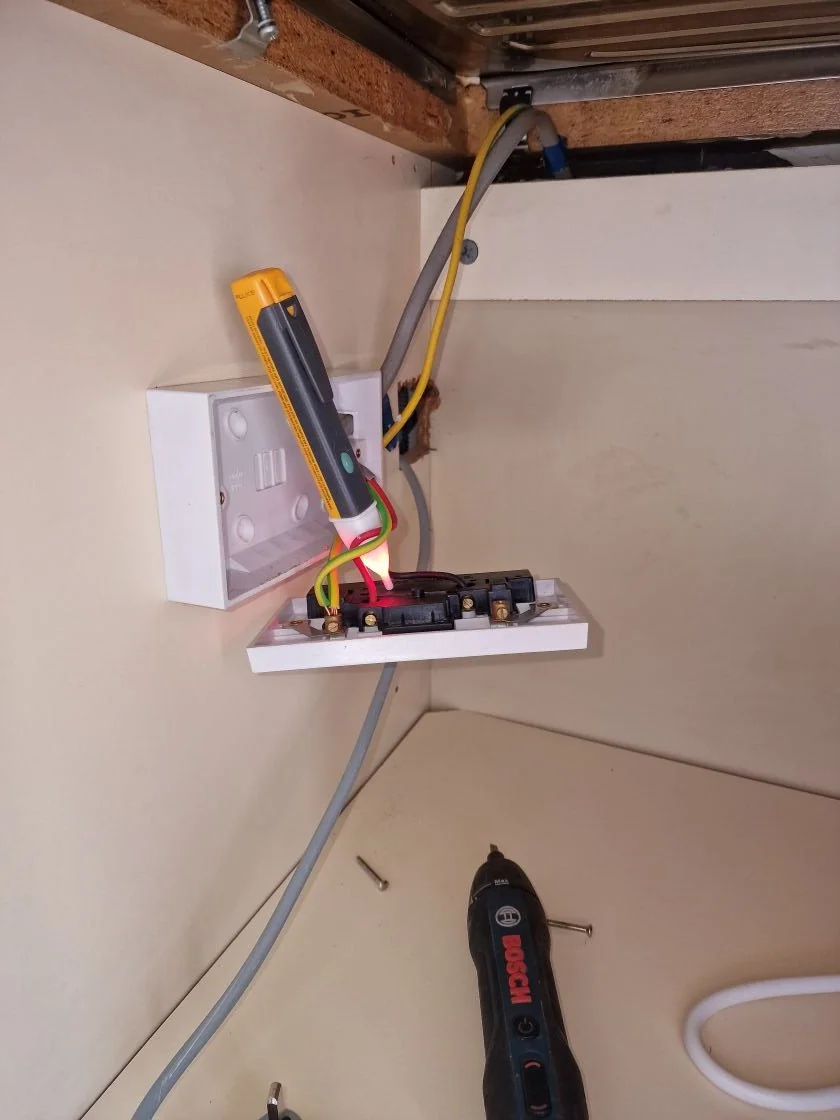
1. Electrical Emergency vs. Standard Repair: Spotting the Difference
Not every electrical hiccup requires an urgent, middle-of-the-night service call. Differentiating between a standard repair and a critical hazard saves you time, stress, and unnecessary after-hours fees.
What is a True Electrical Emergency?
An electrical emergency is any situation that poses an immediate threat to human life, physical safety, or property. These situations cannot wait 12 to 24 hours for a standard scheduled appointment. They require the immediate intervention of a professional local electrician trained in rapid hazard mitigation.
Standard Electrical Repairs (Can Wait 24–48 Hours)
A single broken outlet that isn't sparking or warm.
A light fixture that flickers occasionally but behaves normally otherwise.
A light switch that refuses to turn on.
A single tripped circuit breaker that stays reset after one flip.
Critical Electrical Emergencies (Require Immediate Attention)
Visible sparks shooting from an outlet, appliance, or breaker panel.
A persistent burning smell with no obvious source (e.g., no food in the toaster).
A warm, hot, or vibrating electrical panel or outlet wall.
A complete, localised power outage during extreme weather conditions, while your neighbours still have power.
An electrical panel or outlet that has been exposed to water.
2. Red Flags: 5 Signs of an Immediate Electrical Hazard
If you notice any of the following five warning signs in your home, do not wait. These are classic indicators that your electrical infrastructure is failing rapidly and dangerously.
Sign 1: The Smell of Burning Plastic or Fish
One of the most telling signs of an electrical crisis is a distinct chemical odour. When electrical wires overheat, their plastic and rubber insulation melts. This often smells less like wood smoke and more like burning plastic, vinyl, or weirdly, fish.
Safety Warning: If you trace this smell to an outlet, switch, or your breaker panel, do not attempt to unscrew the faceplate. The internal components may be highly pressurised, molten, or actively arcing.
Sign 2: A Loud, Persistent Buzzing or Humming from the Panel
Your electrical panel should operate almost silently. A faint, occasional click is normal when a heavy appliance kicks on. However, a loud, constant buzzing, sizzling, or humming sound indicates a severe issue. This is often a sign of an overloaded circuit or a breaker failing to trip when it should, creating a massive arc-fault risk.
Sign 3: Outlets or Switches That Feel Hot to the Touch
Your walls should never feel warm. If you touch a switch plate or an outlet cover and it feels hot, vibrates, or shows brown discolouration marks, you have a critical problem. This points to faulty wiring or loose connections inside the wallbox, which generate intense localised heat capable of igniting drywall and studs.
Sign 4: Frequently Tripping Breakers that Refuse to Reset
Circuit breakers are safety devices designed to cut power when a system draws too much current. If a breaker trips immediately after you reset it, do not force it back into place. Forcing a breaker to stay on overrides its internal safety mechanism, forcing high amounts of electrical current through a compromised circuit. This is a primary cause of residential electrical fires.
Sign 5: Flooding, Water Leaks, and Standing Water Near Electrical Systems
Water and electricity are a lethal combination. If a pipe bursts, your roof leaks, or heavy rains flood your basement near your electrical panel, appliances, or outlets, the entire area becomes a severe electrocution hazard. Do not step into standing water if you suspect it has come into contact with live electrical circuits.
3. What to Do While Waiting for an Emergency Electrician
If you have identified a hazard and called a 24/7 emergency electrician, the steps you take over the next 30 minutes can protect your home from catastrophe. Follow this safe, structured protocol.
Step 1: Safely Shut Off the Main Power Supply
If you can safely access your electrical panel without stepping in water or touching exposed, sparking metal, turn off the Main Breaker. This is usually a large double-pole switch located at the very top or bottom of your panel, labelled "Main." Turning this off kills all electrical power to the entire house, instantly stopping the flow of dangerous currents.
Step 2: Unplug Affected Appliances (If Possible)
If a specific appliance is smoking or sparking, and you can safely reach its plug without touching the appliance itself or any metal surfaces, pull the plug out of the wall. If you cannot reach it safely, skip this step and isolate the power at the breaker panel.
Step 3: Evacuate the Premises if Fire is Imminent
If you see visible flames, dense smoke, or hear popping sounds behind walls, grab your family and pets and evacuate the home immediately. Call 911 or your local emergency services first, then call an emergency electrician once you are safely outside.
Step 4: Never Use Water on an Electrical Fire
If a small electrical fire breaks out before you can evacuate, never throw water on it. Water conducts electricity and can cause severe shock, or it can instantly vaporise and cause the fire to explode outward. Only use a Class C-rated dry chemical fire extinguisher if you are trained and safe to do so.
4. The Hidden Dangers of DIY Electrical Work
When dealing with a midnight outage or a dead appliance outlet, it can be tempting to grab a screwdriver, watch a quick online video, and attempt a DIY fix. However, working on your home’s electrical system without formal training carries extreme risks.
The Real Risk of Arc Flashes and Arc Faults
An arc flash occurs when a flashover of electric current leaves its intended path and travels through the air from one conductor to another, or to the ground. The temperature of an arc flash can reach thousands of degrees Fahrenheit in milliseconds. This is capable of causing severe third-degree burns and instant blindness. Professional electricians wear specialised Personal Protective Equipment (PPE) to protect against this exact hazard.
Invisible Mistakes with Long-Term Consequences
Even if you manage to hook up a new outlet and get a light to turn on, a small mistake—such as using the wrong wire gauge, over-tightening a terminal screw, or reversing the hot and neutral wires—can create an invisible hazard. These mistakes often pass unnoticed for weeks or months until the circuit is placed under heavy load, causing it to overheat and ignite a fire inside your walls.
Insurance and Compliance Violations
Most local municipalities require a licensed professional to pull permits for significant electrical work. If you perform unpermitted DIY electrical work and it later causes a house fire, your homeowner’s insurance company may legally deny your claim, leaving you financially responsible for hundreds of thousands of dollars in property damage.
5. How to Choose a Reliable Emergency Electrician Near Me
When you need an emergency electrician, you usually need one fast. However, making a rushed choice can lead to subpar work, exorbitant hidden fees, or worse—hiring an uncertified individual. Keep these three screening criteria in mind when calling around.
Verified Licensing and Insurance: Always ask the technician to show proof of license and liability insurance upon arrival. A legitimate company like Dan Electrician will gladly provide this peace of mind.
Transparent Emergency Pricing: Emergency calls naturally carry a higher rate than scheduled afternoon work. However, a reputable contractor will clearly state their dispatch fees, hourly emergency rates, and diagnostic charges upfront over the phone before sending a truck out.
Guaranteed Response Times: Ask how long it will take for the technician to physically arrive at your property. Look for local providers who can guarantee an arrival time within 1 to 2 hours for critical hazards.
6. Proactive Measures: How to Prevent Future Electrical Crises
The most efficient way to handle an electrical emergency is to prevent it from ever happening. By taking a few proactive steps today, you can dramatically improve the safety and reliability of your home's infrastructure.
Invest in an Annual Electrical Safety Inspection
Just like servicing your HVAC system or changing your car’s oil, your electrical system requires regular maintenance. An annual inspection by a licensed residential electrician can identify loose connections, degrading wire insulation, and overloaded circuits long before they transform into midnight emergencies.
Upgrade to Arc-Fault Circuit Interrupters (AFCIs)
Standard circuit breakers only trip when the current overloads the line. They do not always detect dangerous, intermittent sparking (arcing) caused by damaged wires or loose connections. Upgrading your electrical panel with AFCI breakers provides advanced protection, as they detect erratic arcing patterns and shut off power before a fire can spark.
Map and Label Your Electrical Panel
Take an hour this weekend to clearly map and label every single breaker in your electrical panel. Knowing exactly which switch controls your kitchen outlets, bathroom lights, or living room appliances allows you to rapidly isolate power to a specific zone during a localised crisis without plunging your entire home into darkness.
Frequently Asked Questions (FAQs)
What should I do if my outlet is sparking?
If an outlet is sparking, immediately avoid touching anything plugged into it. Go straight to your main electrical panel and turn off the circuit breaker assigned to that room. Once the power is safely isolated, call a 24/7 emergency electrician to inspect and replace the damaged outlet and wiring infrastructure.
Why does my electrical panel smell like it’s burning?
A burning smell coming from an electrical panel indicates that the wire insulation, plastic components, or the circuit breaker itself is melting due to excessive heat. This is a critical hazard caused by a loose connection or a severe circuit overload. Turn off your home's main power switch immediately and call an emergency electrician.
Is a power outage considered an electrical emergency?
If the entire neighbourhood is dark, it is a utility grid outage; you should report this to your local power company. However, if your neighbours have lights and your home is the only one without power—or if only half of your house has lost power while the breakers are on—it is a localised issue. If this occurs alongside burning smells or clicking noises, it is a true electrical emergency.
How much does it cost to hire an emergency electrician near me?
Emergency dispatch fees and hourly rates vary based on your location, the time of night, and the complexity of the hazard. Generally, after-hours emergency calls include a flat diagnostic trip fee plus an elevated hourly rate. A reputable local provider will communicate these rates clearly before dispatching a technician.
Can a loose wire cause an electrical fire?
Yes, loose wires are one of the leading causes of residential electrical fires. When a wire connection becomes loose, electricity is forced to jump across the gap to complete the circuit. This creates an electrical arc that generates intense heat, capable of melting insulation and igniting surrounding building materials.
Need Urgent Help? Contact Dan Electrician Right Away
Electrical issues don't stick to regular business hours—and neither do we. If you are experiencing any of the warning signs outlined in this guide, don't leave your safety to chance.
Dan Electrician provides fast, reliable, and transparent 24/7 emergency electrical services to keep your home and family safe. Our certified, fully insured technicians arrive equipped to diagnose and resolve your electrical issues on the spot.
Don't wait for a spark to turn into a fire. Call Dan Electrician now at 07400238767 or click below to request immediate dispatch!