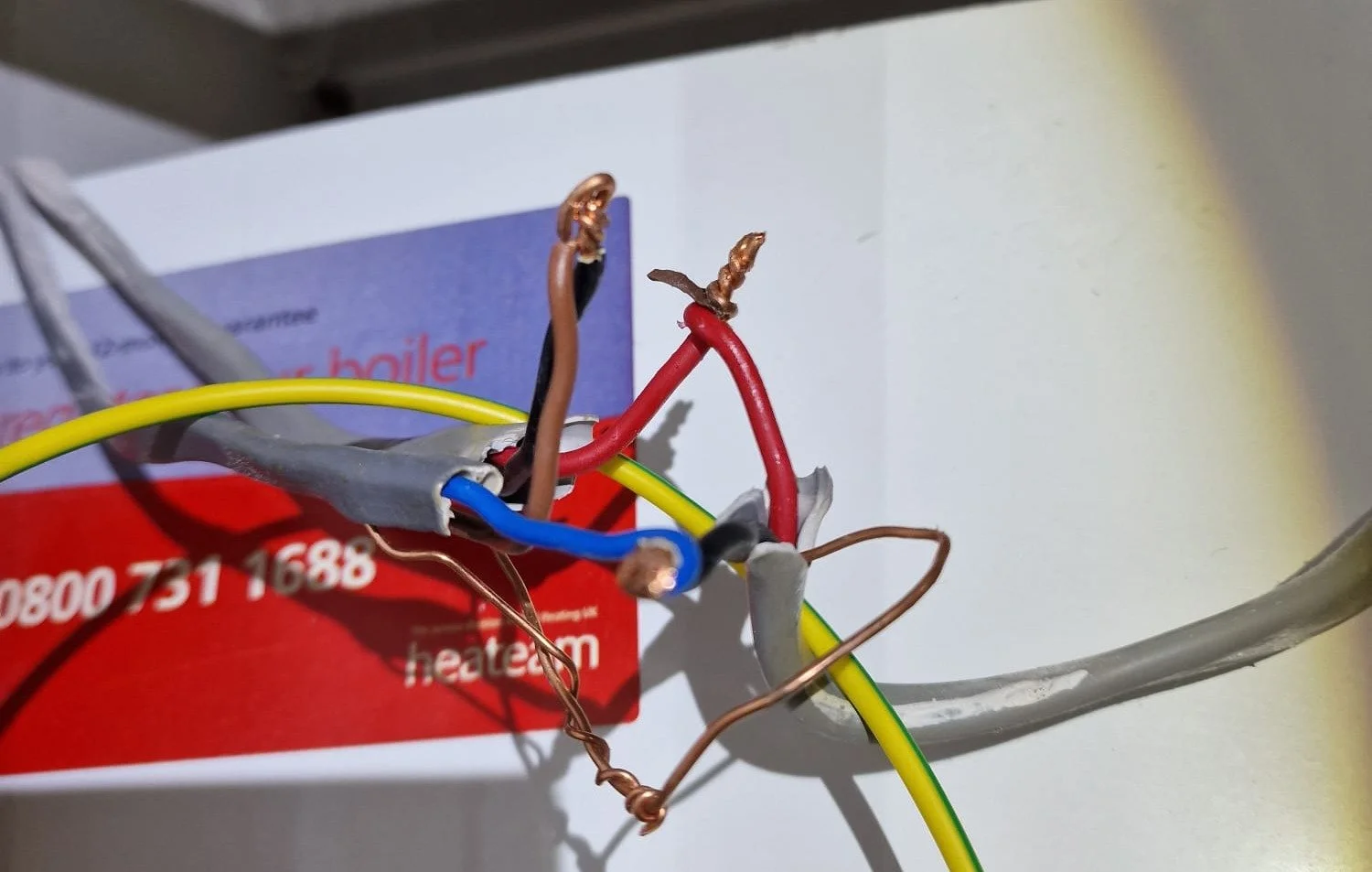
⚡️ The Hidden Dangers of Builder-Done Electrical Work: Why Your Extension Could Be a Fire Hazard
You've poured tens of thousands into your dream home extension. The architect signed off, the builder finished the last coat of paint, and your new kitchen gleams under perfect downlights. But six months later, the dream turns into a nightmare: nothing works. The consumer unit trips relentlessly, lights flicker like a strobe show, and the breakers are dangerously hot.
This isn't a rare fault; it's a common, catastrophic reality when unqualified personnel handle sensitive electrical installations. Here at Dan Electrician, your trusted Liverpool Electrician (Call 07400238767), we've seen these failures first hand. We recently encountered two shocking cases—in Crosby and Formby—that illustrate the devastating financial and safety risks of bypassing a fully qualified, registered electrician.
You've poured tens of thousands into your dream home extension. The architect signed off, the builder finished the last coat of paint, and your new kitchen gleams under perfect downlights. But six months later, the dream turns into a nightmare: nothing works. The consumer unit trips relentlessly, lights flicker like a strobe show, and the breakers are dangerously hot.
This isn't a rare fault; it's a common, catastrophic reality when unqualified personnel handle sensitive electrical installations. Here at Dan Electrician, your trusted Liverpool Electrician (Call 07400238767), we've seen these failures firsthand. We recently encountered two shocking cases—in Crosby and Formby—that illustrate the devastating financial and safety risks of bypassing a fully qualified, registered electrician.
In this comprehensive guide, we'll uncover the hidden dangers of builder-done electrical work, provide a step-by-step guide to spotting and fixing bad wiring, and give you the essential knowledge to keep your family and home safe from preventable electrical fires.
The Case Studies: When a "Saving" Costs You Everything
The temptation is high: let the builder’s team handle the wiring to "streamline" the project. But as our clients in Crosby and Formby discovered, this decision can cost more than the original installation.
Case 1: Crosby's £55k Extension Disaster
A client in Crosby invested £55,000 in a major kitchen extension designed by an architect. The builder's team completed the wiring and power points, planning to have a 'friend'—who they claimed was an electrician—simply issue the Electrical Installation Certificate afterwards. Six months post-completion, the system failed spectacularly:
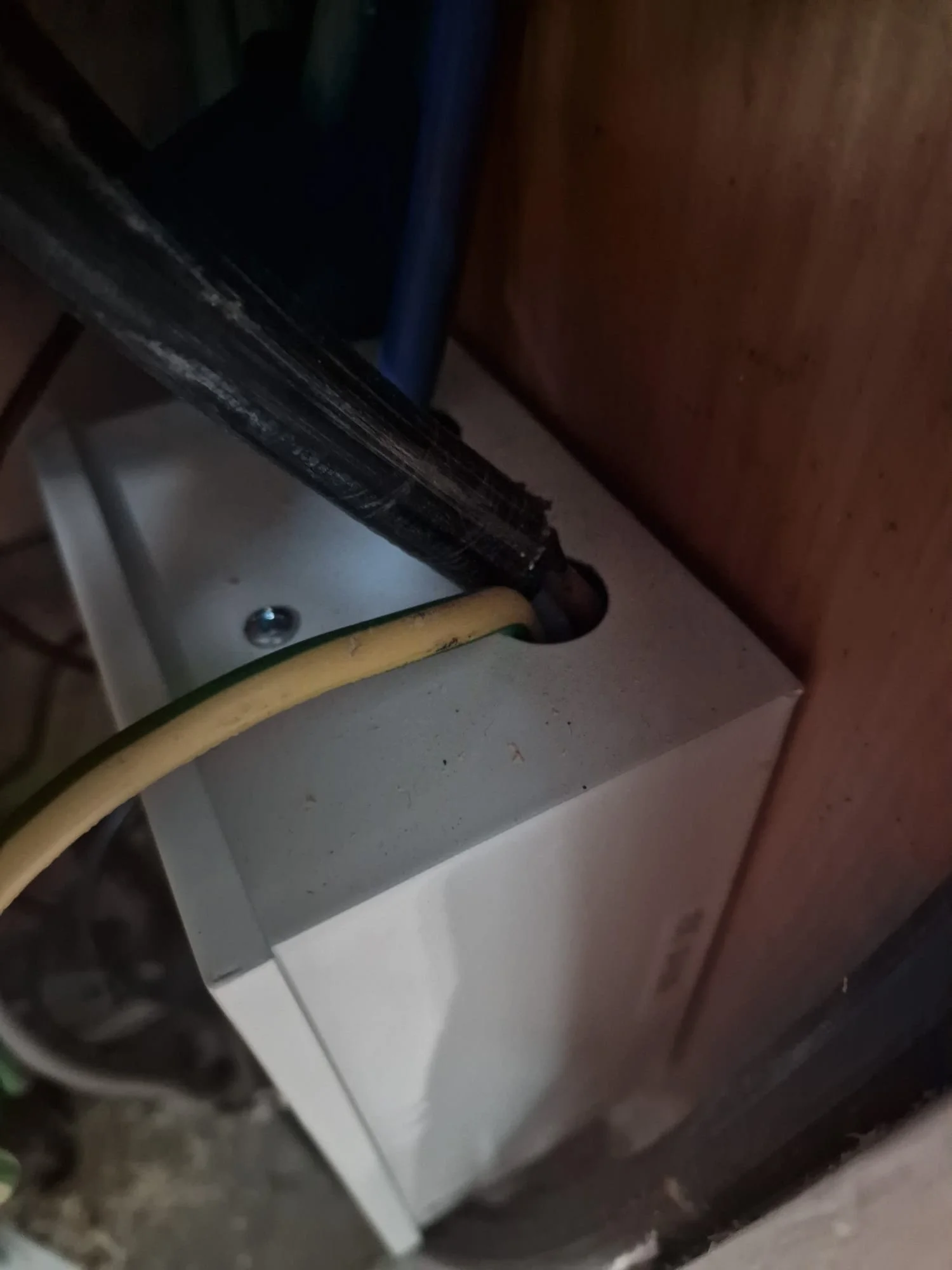
Symptoms: Consumer unit tripping, sockets failing, lights flashing, and hot, stressed circuit breakers.
The Shocking Discovery: The builder had connected all sockets, the oven, and the microwave—high-demand appliances—to a single 40A MCB (Miniature Circuit Breaker). Worse, they used a single 2.5mm conductor for this entire circuit.
The Danger: A 2.5mm cable is typically rated for a maximum of 20A or maybe 25A, depending on installation methods, but is nowhere near safe for a 40A breaker. The cable overheated, posing an extreme fire risk.
The Cost to Fix: The entire electrical system in the new extension required stripping and replacement. Estimated cost: £3,000 plus re-decoration costs, essentially doubling the electrical budget and causing immense stress.
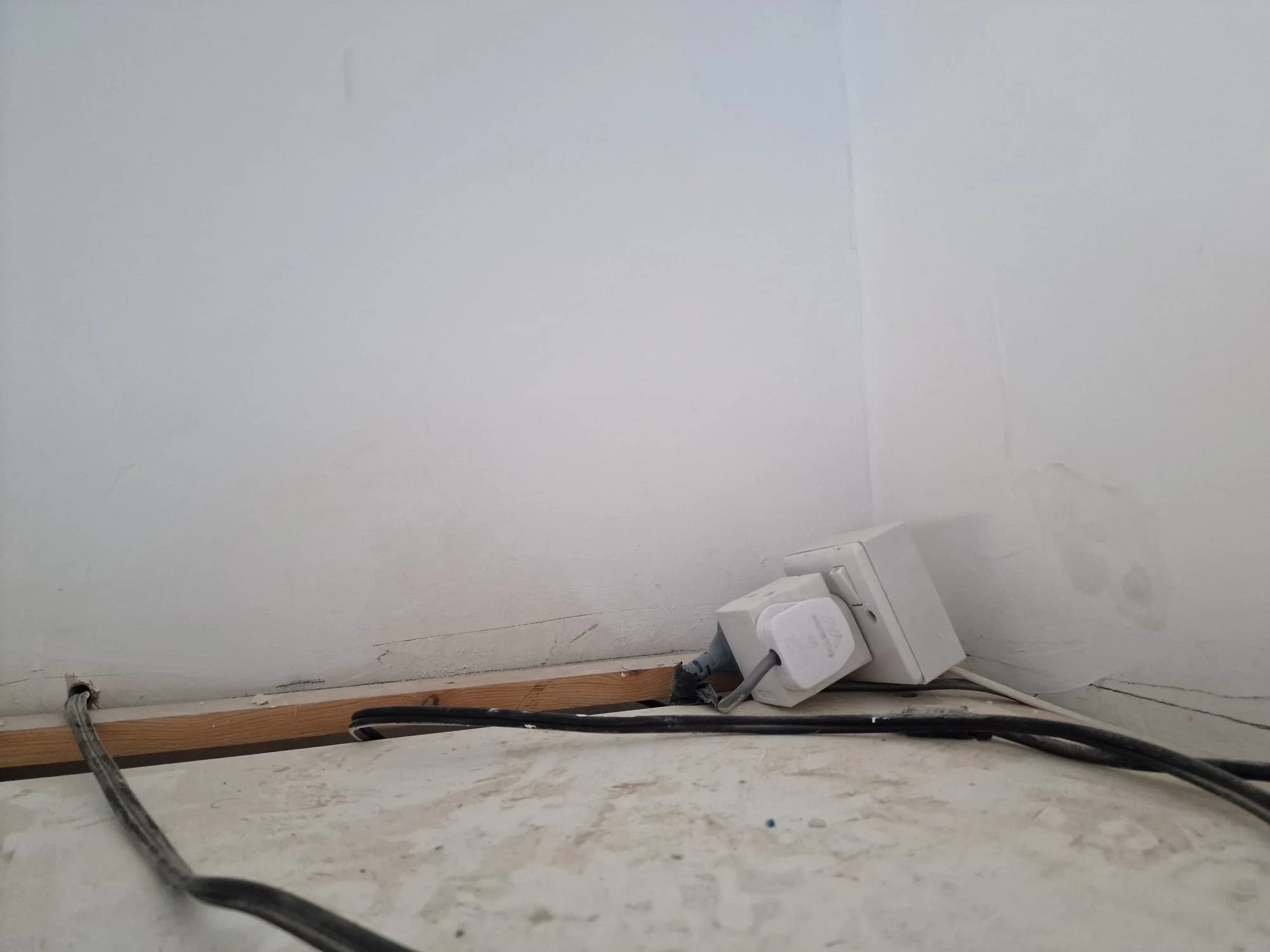
Case 2: The Formby Family's £700 EV Charger Loss
An identical situation in Formby led to a family not only losing the use of their new extension but also the failure of their brand-new EV charger.
The Problem: Unqualified wiring necessitated a full consumer unit replacement and damaged a £700 EV charger circuit.
The Cost to Fix: Estimated electrical work and parts to safely re-wire and replace the damaged charger: £2,800.
These hard-working families paid the architect and the Manchester Builder company for a finished, but were left with unsafe, non-functioning, and uninsurable electrical systems. Always insist on seeing the credentials of the specific electrician who will be doing the work, and always ask about the certificate.
Step-by-Step Guide: Identifying and Solving Frequent Electrical Issues
You don't need to be an electrician, but knowing these common red flags can prevent disaster.
Issue: Immediately circuit Breaker Trips (MCB or RCD). Overload: Too many appliances on one circuit (Crosby Case).
Short Circuit Earth Fault: Damaged wiring insulation (possible fire risk). Unplug all appliances on that circuit. Reset the breaker. If it trips immediately, Call Dan Electrician (07400238767), Hot Sockets or Switches, Loose Connections: High resistance generates heat (a major cause of fires).
Overloading: Appliance draw exceeds the socket rating. Turn off the power at the main switch. Do not use that socket. Call a professional electrician
Flickering or Dimming Lights: Loose Wiring, Faulty Bulb: In the circuit or consumer unit.
General Overload: System struggling to cope. Change the bulb first. If flickering persists, the fault is likely in the wiring. Get an Electrical Inspection.
Buzzing, Cracking, and Arcing: Electricity jumping a gap due to a loose connection. This is an imminent fire risk. Turn off the power to the circuit (or the whole house). Get an Emergency Electrician fast.
Searching for a Local Electrician Liverpool or Emergency Electrician Formby should lead you to certified experts like Dan Electrician.
Tackling Common Misconceptions About Electricity and Safety
Many homeowners make assumptions that lead to dangerous cost-cutting.
Misconception 1: "The Builder will get the certificate from an electrician mate later."
The Reality: An electrician can only certify work they have fully designed, installed, or rigorously tested. A genuine, qualified electrician will rarely put their name on dangerous work they didn't complete. If they do, they are risking their own registration. A certificate is only as good as the wiring it covers.
Misconception 2: "Electrical work is just connecting wires; it's easy."
The Reality: Correct wiring requires in-depth knowledge of BS 7671 (The IET Wiring Regulations), cable sizing, insulation types, current-carrying capacity, earthing arrangements, and discrimination (ensuring the right breaker trips). Miscalculations, like the 40A MCB on a 2.5mm cable in Crosby, are lethal errors.
Misconception 3: "If it works, it's safe."
The Reality: Dangerous wiring often works for a period, potentially for months, until a high load (like a new oven or prolonged use) exposes the fatal flaw. Safety is about resilience and protection, not just functionality.
Handling Seasonal and Outdoor Electrical Demands
Your electrical system faces different demands throughout the year. Ensure your wiring is prepared for the extremes.
1. Ensuring Your System Handles Seasonal Demands
Winter: Heating demands are high. Check that your boiler circuits, electric heaters, and immersion heaters are on dedicated, correctly rated circuits. A modern consumer unit replacement may be necessary to handle the load of modern living.
Summer: Air conditioning, garden pumps, and power tools stress the system. Ensure all outdoor electrical systems are RCD protected and weather-rated (IP rated).
2. Guidelines for Safely Wiring Outdoor Structures and EV Chargers
EV Charger Circuit Installation: EV chargers draw significant continuous current. A dedicated circuit is mandatory, often using 6mm or 10mm cable, protected by a specific Type A or RCD/RCBO and installed according to the latest IET Code of Practice for EV Charging Equipment Installation. Do not trust this to a general builder.
Outdoor Structures (Sheds/Garages): Power to an outbuilding must be a dedicated circuit from the main consumer unit, run with suitable armoured cable (SWA) or conduit, and properly terminated. All sockets must be RCD protected.
Recreational Systems (Hot Tubs/Saunas): These are high-load, high-risk items requiring a completely separate, dedicated, and highly protected supply. Consult a specialist electrician.
Essential Electrical Outlets and Appliances in Utility Spaces
A well-designed utility space needs more than just one or two sockets.
Kitchen/Utility: Dedicated circuits are required for all high-current appliances: Oven/Range, Electric Hob, Cooker Hood, Washing Machine, Tumble Dryer, Dishwasher, Microwave, and Fridge/Freezer. Placing these on a builder's overloaded ring circuit is dangerous.
Garage/Workshop: Multiple sockets (minimum 4-6) on an RCD-protected circuit. Ensure you have a Spur for tools like compressors or bench equipment, ensuring you don't use extension leads permanently.
Analysing Electricity Bills: Interpreting Your Usage
A significant, unexplained spike in your electricity bill could be a sign of poor wiring or inefficiency, not just high usage.
High Consumption: If your bill is unexpectedly high, it could indicate faulty or inefficient appliances or, critically, a hidden electrical fault (like an earth leakage) causing wasted power.
Interpreting Tariffs: Look at your kWh usage. If this figure is high, something is drawing too much power. If you suspect an issue, Dan Electrician can perform a load test and insulation resistance test to identify problems that lead to energy waste and unsafe conditions.
Conclusion: Trust the Expert, Protect Your Investment
The two tragic case studies in Crosby and Formby are a stark reminder: cutting corners on electrical work is not a saving; it’s a dangerous and costly gamble.
When planning any extension or renovation, you must insist on a fully registered, qualified electrician who can provide a legally binding, insured Electrical Installation Certificate upon completion.
Protect your family, your home, and your investment. Don't let your dream extension turn into a costly nightmare.
For safe, certified, and compliant electrical installations in Liverpool, Crosby, Formby, and surrounding areas, trust Dan Electrician.
📞 Call Dan Electrician today for a certified and safe installation: 07400238767
Dead Outlets? Your Ultimate Guide to Troubleshooting Home Electrical Problems Safely
Flickering lights or a tripped breaker? Our ultimate guide helps you troubleshoot common electrical problems safely. Learn DIY tips, understand your bill, and know when to call a pro. | Dan Electrician Blog
🏠 Don't Be Left in the Dark
We’ve all been there. You’re about to blend a smoothie, and poof—the kitchen goes dark. Or maybe it’s that one annoying flickering light in the hallway that’s driving you crazy. Electrical problems are more than an inconvenience; they can be confusing and, frankly, a little scary.
As your trusted local experts, the team at Dan Electrician Blog believes in empowering homeowners. While many issues require a professional, some of the most common electrical problems can be safely diagnosed (and sometimes solved) with a little know-how.
This guide will walk you through step-by-step troubleshooting, bust common electrical myths, and help you understand your home's electrical system—from seasonal demands to that confusing monthly bill.
⚡ Safety First: Debunking Common Electrical Myths
Before you even think about opening your electrical panel, let's clear the air. Misinformation is dangerous. Here are the top misconceptions we hear all the time.
Myth : "If I turn off the light switch, it's safe to work on the fixture."
Fact: A light switch breaks the circuit, but it doesn't guarantee the wires are dead. Always turn off the corresponding breaker at your main electrical panel and use a voltage tester to confirm the power is off before starting any work.
Myth : "My breakers keep tripping, so I'll just put in a bigger one."
Fact: This is critically dangerous, a major fire hazard, and a direct violation of the British Standard electrical regulation. A breaker is a safety device sized for the wire it protects. If it trips, it's doing its job. Installing a bigger breaker allows the wires to overheat, melt, and start a fire.
🔧 Your Step-by-Step Troubleshooting Guide
Got a problem? Don't panic. Follow this logical triage to identify the source.
Problem 1: The Tripped Circuit Breaker
This is the most common electrical problem. A breaker trips to protect your home from overloads or shorts.
Step 1: Locate Your Panel. Find your main electrical panel (often in the garage, basement, or a utility closet).
Step 2: Identify the Tripped Breaker. Look for a breaker handle that is in the "OFF" position
Step 3: Investigate the "Why." Before you reset it, think. Did you just turn on the microwave and the toaster at the same time? That's an overload. Unplug one of the devices.
Step 4: Reset the Breaker. To reset a breaker from the "middle" position, you must first push it firmly to "OFF" and then flip it back to "ON."
What if it trips again immediately? This likely indicates a short circuit. See our flowchart below.
💡 Troubleshooting Flowchart: What to Do With a Tripped Breaker
Breaker tripped?
->Go to the room area and unplug all devices on that circuit.
->Go back to the panel and reset the breaker
->Did it stay on?YES: Great. You have an overload.
Go back to the room and plug in your devices one by one. The one that makes the breaker trip is the problem. Stop using it.
NO (It tripped again immediately):
You likely have a short circuit in the wiring. Leave the breaker OFF and call an electrician.
Problem 2: Flickering or Dimming Lights
This one is annoying, but it can also be a warning sign.
Simple Fix: Check the bulb! It might just be loose. Turn off the light, let the bulb cool, and then tighten it gently.
Medium Fix: Does it happen when a large appliance (like your A/C) kicks on? This can be normal. If it's severe or constant, the circuit may be overloaded.
Serious Problem: If the flickering is random, constant, or affects multiple rooms, it could signal a loose connection in your panel or at the utility service. This is a fire hazard. Don't wait—call a professional.
Problem 3: A Dead Outlet (or Group of Outlets)
You plug in the coffee maker, and... nothing.
Step 1: Check the Breaker. See Problem 1. This is always the first step
💡 Beyond the Quick Fix: Managing Your Home's Electrical System
Troubleshooting is reactive; smart homeownership is proactive.
Is Your Home Ready for Seasonal Demands?
Your electrical load isn't constant. Summer air conditioners and winter space heaters put a huge strain on your system.
Air Conditioners: Central A/C units require their own dedicated 240-volt circuit. Window units can easily overload a standard bedroom circuit.
Space Heaters: A single 1,500-watt heater can max out an entire 16-amp circuit. Never use them with an extension cord.
Actionable Tips:
Consider a panel upgrade if your breakers trip frequently during peak seasons.
Have an electrician install dedicated circuits for large, permanent appliances.
Decoding Your Electricity Bill
That seasonal demand leads directly to your bill. Here's how to read it.
kWh (Kilowatt-hour): This is the unit you are billed for. It's the equivalent of running a 1,000-watt appliance for one hour.
Peak vs. Off-Peak: Many utility companies charge more for electricity used during high-demand "peak" hours (like 4 PM - 9 PM).
How to Take Control:
Analyze: Look at the "Usage" graph on your bill.
Act: If you have time-of-use pricing, run the dishwasher and laundry during off-peak hours.
Upgrade: The single biggest factor (after heating/cooling) is inefficient appliances. Swapping to ENERGY STAR® appliances can lead to significant savings.
🛠️ Powering Your Whole Property: Utility & Outdoor Spaces
Your electrical needs don't stop at the living room.
Essential Outlets for Utility Spaces
Garages, laundry rooms, and workshops have unique needs.
Your electric dryer needs a dedicated 240-volt outlet.
Safely Wiring Outdoor Structures (Sheds & Detached Garages)
Running power to an outbuilding is a fantastic upgrade, but it's a complex, code-heavy job.
The Right Way: Power must be run in a trench. The depth and type of wire are strictly regulated by local codes,
Subpanel: A subpanel in the shed gives you a local breaker box, which is essential for safety and convenience.
📋 Your Quick-Reference Safety Checklist
This is the perfect list to print and keep near your panel.
(We recommend you turn this into a branded, downloadable PDF for your readers!)
Monthly Electrical Safety Check
Test all rcd: Press the "TEST" button (power should cut off), then "RESET." Do this for all RCD or RCBO modules
Check Cords: Inspect appliance and extension cords. Are they frayed, cracked, or warm to the touch? If so, stop using them.
Don't Overload: Is one power strip running your entire home office? Distribute the load.
Check Outlets/Switches: Do you see any scorch marks or cracks?
Clear Your Panel: Is your electrical panel clear of clutter? You need 3 feet of clear space in front of it by law.
Test Smoke/CO Alarms: Press the "TEST" button on all detectors.
🧯 Know Your Limits: When to Hang Up the Toolbelt
A good troubleshooter also knows their limits. Call Dan Electrician immediately if you experience any of the following:
You smell burning or see scorch marks on outlets.
A breaker trips repeatedly, and you can't find the cause (a short circuit).
You get a shock (even a small tingle) from an appliance or switch.
Lights are flickering all over the house (a "whole-house" problem).
You hear buzzing or crackling from an outlet, switch, or your panel.
You're dealing with 240-volt circuits, a subpanel, or any outdoor wiring.
🔌 Your Home's Power, In Your Hands
From a simple tripped breaker to planning for a new workshop, understanding your home's electrical system is the first step to a safer, more efficient home. By following this guide, you can confidently troubleshoot common electrical problems, know when to tackle a simple reset, and—most importantly—know when to call for professional help.
Don't let a small electrical issue become a big problem.
📚 Your Handy Electrical Glossary
Circuit Breaker: A safety switch in your panel that automatically cuts power to a circuit during an overload or short circuit.
Bonding: Physically connecting all metal parts (pipes, pool frames, etc.) to equalise electrical potential and prevent shock. Different from grounding.
kWh (Kilowatt-hour): The unit of measurement for energy consumption that your utility company uses to bill you.
Overload: A circuit drawing more electricity than it's designed for (e.g., a toaster, blender, and microwave on one circuit). This causes the breaker to trip.
Short Circuit: A dangerous fault where a "hot" wire touches a "neutral" or "ground" wire, causing a massive, immediate surge of electricity. This instantly trips the breaker.
Subpanel: A smaller, secondary electrical panel that pulls power from the main panel to distribute it to a specific area, like a detached garage or a large addition.
👨🔧 Meet Your Guide: The Dan Electrician Team
Dan, a certified electrician from Dan Electrician.
This article is powered by the collective expertise of the Dan Electrician Team. With over 30 years of in-the-field experience, our team is led by Dan, a Certified Electrician and a member of the NICEIC.
All our advice is based on the British Electrical Safety Standard, decades of safely solving real-world problems for homeowners just like you. We are fully licensed, insured, and committed to empowering our community through education.
Need a Professional Eye?
Feeling overwhelmed by a persistent electrical issue or planning a big upgrade? Don't risk it. Contact the certified experts at Dan Electrician today for a safety inspection or a no-obligation quote.
Did this guide help you solve a problem? Have another electrical question? Share this post or drop a comment below!
💡 Electrical Myths Debunked: Essential Safety & Efficiency for Every Liverpool Homeowner
Are you unknowingly risking your family’s safety or inflating your electricity bills based on outdated information? As your trusted local expert, Dan Electrician is here to set the record straight. Electricity is a powerful force, and misconceptions about it can lead to dangerous situations and unnecessary costs in your Liverpool home.
In this comprehensive guide, we'll tackle the most common electrical myths, equip you with vital home electrical safety knowledge, and provide actionable tips for managing your home's system, from seasonal demands to outdoor wiring and deciphering your energy usage. Get ready to power your home smarter and safer!
Are you unknowingly risking your family’s safety or inflating your electricity bills based on outdated information? As your trusted local expert, Dan Electrician is here to set the record straight. Electricity is a powerful force, and misconceptions about it can lead to dangerous situations and unnecessary costs in your Liverpool home.
In this comprehensive guide, we'll tackle the most common electrical myths, equip you with vital home electrical safety knowledge, and provide actionable tips for managing your home's system, from seasonal demands to outdoor wiring and deciphering your energy usage. Get ready to power your home smarter and safer!
🔥 Part 1: Common Electrical Myths & Safety Facts
The invisible nature of electricity has allowed many myths to persist. Here are the facts that every responsible homeowner needs to know to enhance electrical safety and protect their property.
Myth 1: Rubber Gloves and Shoes Make You Immune to Electric Shock
The Reality: This is one of the most dangerous myths. While pure, thick rubber is an insulator, your everyday rubber-soled shoes or household gloves are not rated to protect against household voltage. They often contain materials that can conduct electricity, or they are simply too thin.
Safety Tip: Never rely on standard footwear or gloves when dealing with potential electrical hazards. Always switch off the power at the consumer unit (fuse box) before attempting even simple maintenance. The rule is simple: if you do not have proven, certified voltage measuring devices, NEVER touch the metal in the cables and leave all repairs to a qualified Liverpool electrician.
Myth 2: A Surge Protector Offers Total Protection
The Reality: Surge protectors are essential for protecting sensitive electronics from small, internal spikes in power (like those caused by an appliance turning on). However, they offer limited protection against major, external events like a lightning strike or a massive grid surge.
Safety Tip: For maximum protection, consider installing a whole-home surge protector at your main electrical panel. During severe thunderstorms, the best protection for your most expensive electronics is to unplug them completely.
Myth 3: Flipping a Breaker On and Off Is a Maintenance Step
The Reality: Circuit breakers are safety devices designed to trip when they detect a fault, like a short circuit or an overload. Repeatedly resetting a tripping breaker without investigating the cause is extremely risky. It’s a sign of a deeper, potentially dangerous issue like faulty wiring or an appliance drawing too much current.
Actionable Tip: If a breaker trips once, unplug everything on that circuit and reset it. If it immediately trips again, do not touch it and call a professional Liverpool electrician right away.
Myth 4:
Low voltage is not dangerous.
Reality: Even low voltage can be dangerous and cause serious injury or death, as current is what kills, not just voltage.
Myth 5:
Rubber and wood are completely safe insulators.
Reality: While rubber and wood are insulators, they can fail or have impurities (in the case of rubber gloves/shoes), making them unreliable for safety. Only professional, rated electrical safety equipment offers reliable protection.
Myth 6:
Turning off a circuit breaker is enough to make the wiring safe to touch.
Reality: This is false. There can still be a risk of the shock breaker can be faulty, so wires should be treated as live until confirmed otherwise by a professional.
Myth 7:
DIY electrical work is safe if you watch a few online tutorials.
Reality: Electrical work is extremely dangerous for untrained individuals. Online videos can be misleading and don't account for all potential risks.
Winter Readiness: Avoiding Overload
The Inspection: Before winter, have a professional inspect your consumer unit (fuse box). Modern homes should have an updated board with RCD protection. If your unit is older, consider a fuse box upgrade to handle modern demands.
The Heater Rule: Never plug a high-wattage space heater into an extension cord or a power strip. They should always be plugged directly into a wall outlet, and ideally, on a circuit with no other major appliances running.
Holiday Lights: Always use energy-efficient LED lights. Check all outdoor light strands for cracked insulation before use.
Summer Readiness: Protecting Against Heat and Moisture
AC Maintenance: Ensure your air conditioning units (if applicable) are running efficiently. Clogged filters force the unit to work harder, consuming more electricity.
Outdoor Outlets: Check that all your outdoor electrical outlets are equipped with an Ingress Protection (IP-rated) cover and are protected by a GFCI or RCD (Residual Current Device). This device is a lifesaver, cutting power instantly if it detects a fault (like a wet cable).
🌳 Part 2: Safely Wiring Outdoor Electrical Systems
Extending power outdoors for recreational use or to a garden shed requires adherence to strict UK electrical regulations (BS 7671 and Part P of Building Regulations). This is not a DIY job.
Guidelines for Outdoor Recreational Wiring
RCD Protection is Non-Negotiable: All outdoor circuits, including those for hot tubs, pond pumps, and garden lighting, must be protected by a 30mA RCD or a combined RCBO (Residual Current Breaker with Overcurrent protection).
Correct Cable Type: Use a proper steel wire armoured (SWA) cable for permanent outdoor installations. SWA cable has a tough outer layer that protects the inner conductors from physical damage.
Placement and Isolation: Ensure all external connections and equipment are IP-rated (e.g., IP65 or IP66) to protect against dust and water. All circuits should have an accessible, clearly labelled outdoor isolation switch so power can be cut instantly.
Wiring Outdoor Structures (Sheds/Garden Offices)
Powering an outbuilding like a garden office or a shed is effectively a mini-installation that requires its own set of rules:
Dedicated Circuit: The power should be run from your home's main consumer unit on a dedicated new circuit. It should not be simply wired into an existing, indoor circuit.
Cable Depth: If running an SWA cable underground, it must be buried at a sufficient depth (typically 450mm) and, in some cases, protected by ducting and warning tape.
Local Consumer Unit: For a proper garden office, a smaller, dedicated mini consumer unit should be installed in the outbuilding. This provides its own circuit protection and isolation, just like a small house.
Permitted Work: Under Part P, all new installations and extensions of circuits must be certified by a registered electrician or inspected by Building Control. For all outdoor electrical work in Liverpool, call Dan Electrician to ensure full compliance.
🧺 Part 3: Essential Electrics in Utility Spaces
The utility room or laundry space is a high-demand, high-moisture area that requires a specific and safe electrical setup. Getting this wrong is a prime cause of tripped circuits and potential fire hazards.
Key Electrical Requirements
Dedicated Circuits: Washing machines and tumble dryers (especially energy-hungry heat-pump models or older vented dryers) should ideally be on their own dedicated circuit. This prevents the high current draw from tripping breakers shared with other appliances.
RCD/RCBO Protection: Just like bathrooms and outdoor spaces, all outlets in a utility room must be protected by an RCD or RCBO due to the presence of water (pipes, sinks, etc.).
Isolation Switches: Fixed appliances (like a washing machine permanently tucked under a countertop) should have an easily accessible fused spur switch (also called an isolation switch) above the counter. This allows the appliance to be safely switched off without reaching behind it.
Appliances for Efficiency and Safety
Tumble Dryers: If upgrading, choose an A+++ rated Heat Pump Tumble Dryer. While the upfront cost is higher, they use significantly less electricity than traditional vented or condenser dryers, leading to large long-term energy bill savings.
Ventilation: A well-wired, effective extractor fan is crucial for removing moisture, which is essential for electrical safety, preventing mould, and complying with Building Regulations Approved Document F.
📈 Part 5: Understanding Your Electricity Bill and Saving Money
Your electricity bill isn't just a number; it's a window into your home’s energy consumption. Learning how to interpret it is the first step to reducing costs.
Factors That Contribute to High Bills
Your bill is fundamentally based on two main things:
Unit Rate p/kWh: The price your supplier charges for each unit of electricity you consume (kilowatt-hour).
Consumption (kWh): The total number of units your home has used, measured by your electricity meter.
Key Contributors to High Consumption (kWh):
Heating: Electric space heaters and electric showers are massive consumers of energy.
Tumble Dryer: Often the biggest energy drain in the utility room.
"Vampire" Power: Appliances left on standby mode or chargers left plugged in continue to draw a small amount of power.
Interpreting Your Bill and Taking Action
Check Your Tariff: Are you on a standard variable tariff or a fixed rate? Compare energy prices periodically (external link to Ofgem’s energy advice).
Read Your Meter: Don't rely on estimated readings. Submit an actual meter reading regularly, or better yet, install a smart meter to get a real-time view of your usage.
The Power of 1 kWh: Think of 1 kWh as powering a 100-watt light bulb for 10 hours. Your usage is the sum of these actions.
Actionable Energy Saving Tips
Abolish Standby: Use smart plugs or simply switch appliances off at the wall.
Switch to LED: If you haven’t already, swap all remaining traditional bulbs for energy-efficient LED bulbs.
Thermostat Adjustment: Lowering your room thermostat by just one degree Celsius can cut heating costs by a noticeable amount.
Wash Colder: Use the 30°C or Eco setting on your washing machine for most loads.
✅ Conclusion and Your Next Step
Debunking these electrical myths is the key to creating a safer, more energy-efficient home. From understanding that simple rubber doesn't guarantee safety to knowing the difference between a power strip and a whole-home surge protector, informed choices save lives and money.
Whether you're planning outdoor power for a new garden office or simply need a fuse box upgrade to handle seasonal demands, professional expertise is non-negotiable for any major electrical work in Liverpool.
Your Next Step for Safety: Don’t wait for a trip or a warm outlet. Call Dan Electrician today on 07400238767 for a thorough home electrical safety inspection and ensure your Liverpool home's wiring is safe, efficient, and up to current UK standards.
💡 Seasonal Surge Safety: Your Expert Guide to Preparing Your Liverpool Home
Are your electricity bills suddenly spiking? Does your circuit breaker trip every time you plug in a garden feature or turn on the winter lights? As the seasons turn, the demands placed on your Liverpool home’s electrical system shift dramatically. From running energy-intensive air conditioning units in summer to relying on powerful central heating and festive lighting in winter, understanding and preparing for these changes is key to safety, efficiency, and saving money.
Dan Electrician preparations, safe outdoor wiring practices, and how to finally take control of your electricity bill.
The difference in electricity demand between a summer and winter day in the UK can be over 35%. Preparing your indoor electrical system is the first step to avoiding frustrating faults and dangerous overloads.
Seasonal Electrical Check-Up Checklist
Season Primary Demand
Winter Heating, Lighting, Tumble Drying. Get an EICR before peak usage. Check fuse box integrity.
Summer Cooling: Outdoor Power, Refrigeration Inspect AC dedicated circuits. Ensure fan and fridge coils are clean.
Top 3 Winter Electrical Safety Tips
Stop Overloading: Never plug high-wattage appliances (portable heaters, kettles) into extension leads. Plug them directly into a wall socket.
Use Modern Lighting: Switch all old incandescent/halogen bulbs to LED lighting. This significantly reduces fire risk and lowers winter power consumption.
Check Appliance Cables: Inspect cables on seasonal appliances (e.g., electric blankets, portable heaters) for fraying or damage before first use.
Must-Have Safety: Residual Current Devices (RCD)
Dan Electrician, rcd in control of circuit
Every outdoor circuit installed by a professional must be protected by a Residual Current Device (RCD). This device is mandatory for life safety as it instantly cuts power if a fault is detected (e.g., water ingress or a cable cut).
Expert Certification: Dan Electrician uses Type A RCDs on outdoor circuits to offer superior protection against DC faults that can be generated by appliances like heat pumps and electric car chargers.
Running power to a garden room or shed requires a dedicated, permanent circuit connected back to your main consumer unit.
Use Armoured Cable (SWA): For permanent outdoor or underground wiring, Steel Wire Armoured (SWA) cable is mandatory. This cable has a protective steel layer to prevent damage.
Safe Burial Depth: SWA cable should be buried at a sufficient depth (minimum 450mm or 18 inches) and often protected by ducting and warning tape.
Dedicated Sub-Board: For high-use areas like garden offices, we install a separate, mini consumer unit (or sub-board) in the outbuilding. This separates the outdoor circuits from your main house circuits, enhancing safety and troubleshooting.
IP-Rated Fixtures: All outdoor sockets and switches must have a suitable Ingress Protection (IP) rating (e.g., IP66) to seal against dust and water.
🛠️ Section 3: High-Demand Utility Spaces and Appliance Management
Utility rooms, kitchens, and laundry spaces are the engine rooms of your home, containing the most frequently used high-wattage appliances.
Key Appliance Wiring & Safety Considerations
Appliance Circuit Requirement Safety Tip
Electric Oven/Cooker Dedicated high-capacity circuit (32A or 45A).Must have an accessible isolation switch nearby.
Washing Machine/Dishwasher Dedicated spur or robust ring main connection. Avoid running multiple high-power appliances simultaneously
. Electric Shower Dedicated circuit (usually 40A or 50A) with cable 6-16mm. Safety is paramount; it should be checked during an EICR.
Innovative Service Highlight: We can install Smart Wi-Fi-enabled isolation sockets in utility spaces, allowing you to monitor high-usage appliances and switch them off remotely, saving standby power.
📈 Section 4: Decoding Your Electricity Bill: Usage vs. Price
Understanding why your bills fluctuate is the ultimate step in gaining control over your home's energy use. Your bill is a function of two main things: Consumption (kWh) and Cost (Unit Rate).
Factors That Inflate Your Electricity Bill
Seasonal Consumption: Heating, tumble dryers, and seasonal lighting cause the largest spikes in kWh usage during winter.
The Unit Rate (p/kWh): The price per kilowatt-hour, heavily influenced by global gas markets and the Ofgem price cap.
Vampire Power: Appliances on standby (TVs, chargers, consoles) silently drain power. Over a year, this can account for 5-10% of your total bill.
Inefficient Appliances: Older freezers, dishwashers, and ovens are major energy sinks that may require an upgrade.
❓ Section 5: FAQs and Essential Electrical Glossary
Frequently Asked Questions (FAQs)
Q: How often should I get an EICR?
A: The standard recommendation is every 10 years for owner-occupied homes and every 5 years for rented properties. Dan Electrician provides EICRs that meet all UK regulatory standards.
Q: Can I use an indoor extension cord outside temporarily?
A: Absolutely not. Indoor equipment lacks the necessary waterproofing and RCD protection required for safe outdoor use and poses a severe shock hazard.
Q: What is "Part P" certification?
A: Part P is a section of the Building Regulations in England and Wales that relates to electrical safety. Any significant electrical work (like installing a new circuit or consumer unit) must be done by a Part P registered electrician who can self-certify the work.
Glossary of Essential Electrical Terms
Term Definition
RCD Residual Current Device. A vital safety device that cuts power instantly if a small leak (fault) is detected, preventing electric shocks. EICR Electrical Installation Condition Report. A formal document confirming the condition of your electrical system, crucial for buying/selling property.
SWA Cable Steel Wire Armoured Cable. Heavy-duty cable used for permanent outdoor and buried installations for physical protection.
IP RatingIngress Protection Rating. A two-digit code that classifies the degree of protection provided by electrical enclosures against solids (dust) and liquids (water).
✅ Conclusion: Powering Your Home Safely and Smartly
Preparing your home for seasonal electrical changes is about more than just managing the lights; it’s about safety, regulatory compliance, and long-term savings. By understanding the demands of each season, installing necessary RCD protection for outdoor systems, and monitoring your kWh consumption, you gain full control.
Boost Your Trust: Hear from a Liverpool Customer
“Dan completed a full consumer unit upgrade and installed power to our new garden office. The service was professional, certified, and fast. Everything was explained clearly, especially the RCD requirements. Highly recommended!” - A. Smith, Anfield.
Don't leave the safety of your home to chance. If you live in Liverpool or the surrounding Merseyside area and require a professional electrical inspection, advice on a new consumer unit, or safe installation of outdoor wiring, trust the certified experts.
Ready to Secure Your Home Electrics?
Contact Dan Electrician at liverpoolelectrician.uk or call us directly on 07400238767 for a quote or a professional, certified EICR today. Share this guide with neighbours to help keep the whole community safe!
🏊 Powering Your Paradise: Safe and Compliant Wiring for Your Pool or Hot Tub in Liverpool 🔌
Transforming your Liverpool garden with a sparkling new pool or a soothing hot tub is an exciting project, but the electrical installation is arguably the most critical part. Mixing water and electricity is inherently dangerous, making compliance with UK wiring regulations not just a recommendation, but a legal and life-saving necessity.
At Dan Electrician 07400238767, your trusted Liverpool Electrician, we specialise in safely and compliantly wiring outdoor recreational systems. This comprehensive guide breaks down the essential safety requirements and best practices for securing your outdoor power supply, covering everything from the pool's pump to your utility room appliances, and even offering tips on reducing electricity bills.
Transforming your Liverpool garden with a sparkling new pool or a soothing hot tub is an exciting project, but the electrical installation is arguably the most critical part. Mixing water and electricity is inherently dangerous, making compliance with UK wiring regulations not just a recommendation, but a legal and life-saving necessity.
At Dan Electrician 07400238767, your trusted Liverpool Electrician, we specialise in safely and compliantly wiring outdoor recreational systems. This comprehensive guide breaks down the essential safety requirements and best practices for securing your outdoor power supply, covering everything from the pool's pump to your utility room appliances, and even offering tips on reducing electricity bills.
⚠️ The Non-Negotiable: UK Electrical Safety and Compliance
When it comes to water features, the rules are stringent. In the UK, any new circuit or an alteration to an existing one in a special location (which includes a swimming pool, pool room, or is strongly recommended for outdoor hot tubs) is notifiable work under Part P of the Building Regulations.
BS 7671 (The IET Wiring Regulations): This is the national standard for electrical installation safety. For pools and hot tubs, Section 702 is the key, outlining zones and requirements to prevent electric shock.
Part P Certification: Your electrician must be a Part P registered competent person (like a member of NICEIC or an equivalent scheme). This allows them to self-certify that the work meets Building Regulations. If they are not, the work must be inspected and certified by a third-party or Local Authority Building Control. Failure to comply is a criminal offence and can invalidate your home insurance.
Essential Protection (RCD): The supply to your pool or hot tub must be protected by a 30mA Residual Current Device (RCD). This is a crucial trip switch that instantly cuts power if a fault or 'leak' to earth is detected, providing protection against lethal electric shocks.
The Hot Tub & Pool Dedicated Circuit
Your recreational system must be wired on its own dedicated fused spur straight back to your main consumer unit (fuse box). It should never share a circuit with other high-load appliances.
Isolation Switch: A waterproof (IP65-rated) rotary isolation switch must be installed at least 2 metres away from the water's edge. This allows power to be immediately cut in an emergency or for maintenance without having to go inside the house.
Cable Choice: Outdoor cabling should be suitable for burial and environmental exposure. Steel Wire Armoured (SWA) cable is typically used for its superior protection. The size of the cable must be carefully calculated by a professional based on the appliance's maximum current draw and the distance from the consumer unit to prevent voltage drop and overheating.
Cable Burial: Buried cables should be protected against damage, ideally laid in protective ducting and buried at a depth of at least 500mm, with a route marker tape laid above it around 150mm below the surface.
Actionable Tip: Always insist on seeing your electrician's Part P Certificate and the final Electrical Installation Certificate (EIC) for the work. These documents are proof of compliance and are essential if you ever sell your home.
🏡 Wiring Outdoor Structures: Sheds, Garages, and Summerhouses
Extending power to any outdoor structure for pools, hot tubs, or general use follows similar rigorous safety protocols.
Key Steps for Safe Power Extension
Determine the Load: First, calculate the total potential power demand. Will it just be for lighting and a few sockets, or will it power a high-demand appliance like a hot tub or electric heater? This determines the necessary cable size and circuit protection.
Sub-Board Installation: For a large load or significant extension, a dedicated secondary consumer unit (sub-board) should be installed within the outdoor structure. This board provides local overcurrent protection and isolation.
Weatherproofing (IP Ratings): All electrical fittings, including junction boxes, consumer units, and sockets, must have an appropriate Ingress Protection (IP) rating to resist moisture and dust. For external use, a minimum of IP44 is often required, but IP65 is safer and recommended for exposed areas.
RCD Protection: Just like the pool, the main circuit supplying the outdoor building must be protected by an RCD or RCBO to ensure safety.
🧺 Essential Electrics in Utility Spaces: Kitchens and Laundry Rooms
The utility room is a high-demand area where water, heat, and multiple appliances converge. Proper wiring is paramount for both safety and appliance performance.
Focus on Dedicated Circuits and Isolation
High-Load Appliances: Appliances like washing machines, tumble dryers, and dishwashers should ideally each be on their own dedicated radial circuit or a circuit specifically rated for their combined load. This prevents circuits from overloading and repeatedly tripping.
Isolation Switches: For fixed appliances positioned under a counter (like an integrated washing machine), you must install an accessible isolation switch—typically a fused spur—above the worktop. This allows the appliance to be safely isolated for maintenance without having to move it.
Socket Placement: Sockets for permanent appliances should be placed so that the appliance can be easily unplugged if necessary, but the fused spurs should be the primary means of isolation. All sockets in the utility room must have RCD/RCBO protection due to the presence of water (BS 7671 Regulation 411.3.3).
Ventilation and Fire Safety:
Extractor Fan: An extractor fan, compliant with Building Regulations Approved Document F (Ventilation), is essential for removing moisture from washing and drying, preventing damp and mould.
Heat Detectors: Due to the heat generated by dryers, a heat detector (not a smoke detector, which can be triggered by steam) may be required under Building Regulations Approved Document B (Fire Safety) for new installations.
💡 Deciphering Your Electricity Bill and Cost Reduction
Understanding your electricity bill is the first step in managing your power consumption, especially with the added load of a hot tub or pool.
Understanding the Bill Components
Your bill is typically made up of three main parts:
Unit Rate: The cost of the energy you use. Measured in pence per kilowatt-hour (p/kWh). The biggest variable cost, directly impacted by usage.
Standing Charge: A fixed daily cost to cover the cost of getting the supply to your property. A fixed daily charge, regardless of energy usage. Essential, but check if different tariffs offer better rates.
VAT Government tax. Charged at the current rate (usually 5% for domestic use).Fixed percentage.
Factors Contributing to High Bills
High-Wattage Appliances: Appliances that generate heat (kettles, ovens, heaters, hot tubs, tumble dryers) are the biggest consumers of kWh. A typical hot tub can use a significant amount of electricity, especially in winter.
Poor Insulation: For outdoor water systems, poor thermal covers or lack of insulation means the heater runs more frequently to maintain temperature.
Estimated Bills: If your supplier uses estimated meter readings (marked 'E' on the bill), you could be overpaying. Always submit an actual meter reading (marked 'A' or 'Smart') for accuracy.
Inefficient Tariffs: Being on the wrong tariff, especially a default Standard Variable Tariff (SVT), can be more expensive than a fixed deal (when available)
Actionable Cost-Saving Tips
Pool/Hot Tub Efficiency: Invest in a high-quality, insulating cover and ensure the heater is working optimally. Running the pump during off-peak hours can save money.
Energy-Efficient Appliances: When replacing appliances, choose models with a high Energy Efficiency Rating (A-rated or better).
Install a Smart Meter. In addition, installing a metering tool provides real-time usage data from all circuits separately or even separated by appliances, allowing you to identify and adjust high-usage habits.
Regular Electrical Health Checks: Faulty wiring or inefficient circuits can cause energy waste. A check-up from a qualified electrician can spot issues that drain power unnecessarily.
✅ Final Check: Safety is Always #1
Wiring a pool or hot tub is one of the most complex and safety-critical jobs in domestic electrics. The guidelines set out in BS 7671 and Part P are designed to keep you and your family safe from severe harm.
For all your electrical projects, from the complex wiring of an outdoor spa to ensuring your utility room is compliant and efficient, trust the local experts. Don't risk a DIY job that could be dangerous and illegal—call Dan Electrician today.
📞 Ready to power your outdoor oasis safely? Contact Dan Electrician, your local Liverpool Electrician, on 07400238767 for a free, no-obligation compliance check and quote.
⚡️ Introduction: Unlock the Full Potential of Your Outbuilding
Learn the safe, essential steps for wiring your shed or garage for power in the UK. Understand UK regulations, necessary outlets, and how to control your electricity bill. Contact Dan Electrician in Liverpool today!
Is your shed or garage just a dark, underutilised storage space? Are you dreaming of transforming it into a home office, a fully-equipped workshop, a gym, or a 'man cave' in Liverpool? To bring this vision to life, you need reliable, safe electrical power.
Running power to an outbuilding is not a simple DIY job—it's a significant electrical installation governed by strict UK Building Regulations and safety standards. Trying to cut corners or attempting a complex wiring project yourself is not only dangerous but can also invalidate your home insurance and lead to legal issues.
This comprehensive guide from Dan Electrician at liverpoolelectrician.uk will walk you through the essential steps for safely wiring your shed or garage for electrical outlets, discuss the necessary components for utility spaces, and even break down how your new setup might impact your electricity bill. We're your trusted, fully-qualified experts for all electrical services across Liverpool and Merseyside.
🔌 Step-by-Step Guide: Safely Wiring Your Outdoor Structure for Power
The process of running a new electrical supply to a detached garage or shed is known as a 'notifiable' task under Part P of the Building Regulations in England and Wales. This means it must be either carried out by a Registered Competent Person (like a NICEIC-accredited electrician) or signed off by your local building control body.
Crucially, Dan Electrician strongly advises against undertaking this work yourself unless you are a qualified professional.
Here are the key stages a professional Liverpool electrician will follow to ensure a safe, legal, and compliant installation:
1. Planning and Load Assessment
Before any wire is laid, thorough planning is essential.
Determine Your Needs: What exactly will you power? (e.g., lighting, power tools, heating, computer equipment). This determines the total electrical load and the required circuit size.
Consultation: A qualified electrician in Liverpool, like Dan, will visit your property to assess the existing main consumer unit (fuse box) in your home to ensure it can handle the additional demand.
Design: A circuit design that complies with the latest BS 7671 IET Wiring Regulations is created.
2. Connection to the Main Supply
The new supply is typically taken from a spare way in your main house consumer unit. This new circuit must be protected by a dedicated Residual Current Device (RCD) with a trip current not exceeding 30mA, or an RCBO (Residual Current Breaker with Overcurrent protection). This is a vital safety measure to prevent severe electric shock.
3. Running the Supply Cable to the Outbuilding
This is the most physically demanding and critical part of the installation:
The Cable of Choice: For an underground run, a Steel Wire Armoured (SWA) cable is the industry standard in the UK. SWA cable is robust, weatherproof, and designed to be buried, providing mechanical protection.
Trench Digging: The cable must be buried at a sufficient depth (typically at least 1 metre in domestic settings, but your electrician will advise based on site conditions) to protect it from damage by future digging or gardening. The trench should also contain warning tape above the cable.
Alternative Routing: In some cases, and only where practical and safe, the cable may be run overhead.
4. Installation of the Outbuilding Consumer Unit
For a workshop or office with multiple sockets and lights, a small secondary consumer unit will be installed inside the shed or garage. This unit typically contains a circuit breaker for the lighting circuit and a separate, higher-rated circuit breaker for the socket-outlet circuit.
5. Wiring the Final Circuits (Lights and Sockets)
Switches and Lighting: Durable, weather-resistant light fittings (often LED tube lights for workshops) and light switches are installed.
Socket-Outlets: Metal-clad sockets or industrial-grade sockets are typically used in utility spaces for their durability and protection. The placement of these electrical outlets is planned to maximise usability and safety.
6. Earthing and Bonding
A crucial technical step. Your Liverpool electrician will ensure correct earthing for the new consumer unit and may install a local earth electrode (creating a TT system) depending on the existing property's earthing arrangement. This ensures faults are cleared safely.
7. Inspection, Testing, and Certification
Once installed, the new circuit must be thoroughly inspected and tested to verify that it complies with BS 7671.
The Certificate: A NICEIC-registered electrician will issue an Electrical Installation Certificate (EIC). This certificate is your proof that the work is safe, compliant with regulations, and is essential for insurance purposes and when selling your home.
Actionable Tip: Even if you plan to only use a few lights now, talk to your Liverpool Electrician about installing a larger supply cable and consumer unit than you currently need. Future-proofing your outbuilding now will be significantly cheaper than upgrading a too-small system later! Call Dan Electrician on 07400238767 for a tailored plan.
🛠 Essential Electrical Outlets and Appliances in Utility Spaces
The electrical components you need depend on the intended use of your outbuilding. Here is a breakdown of what a professional electrician will typically recommend for a modern, functional workspace or utility area:
Power Outlets (Sockets) To run power tools, chargers, and general equipment. A minimum of 4-6 double sockets is advised. Metal-Clad 13A Double Switched Sockets (Highly durable) Lighting: Bright, even illumination for detailed work and safety . LED Batten Fittings (Energy efficient, long-life, high light output)Heavy-Duty Socket for powerful equipment like welders, large compressors, or an EV charger. 15A or 32A Commando Socket (Requires a dedicated circuit). Heating is essential for working in colder months. Wall-Mounted Panel Heater (Energy-efficient option)
Data/Internet For a fast, reliable connection. Ethernet Port run alongside the electrics
💰 Analysing Your Electricity Bill: Usage, Cost, and Interpretation
Once your shed electrics are professionally installed, you'll naturally want to keep an eye on your energy consumption. Understanding the factors that contribute to your electricity bill is key to managing costs.
Factors Contributing to Your Electricity Bill
Unit Rate (p/kWh): The price your energy supplier charges for each unit of electricity you use (Kilowatt-Hour). Global wholesale energy market prices, including the price of natural gas, have the biggest influence on this.
Standing Charge (p/day): A fixed daily charge to cover the cost of maintaining the power network, meter reading, and administration, regardless of how much energy you use.
Appliance Consumption (kWh): How much energy your appliances use. High-power items like electric heaters, large power tools, and air conditioning units will increase your consumption significantly.
Energy Efficiency: The overall efficiency of your home and outbuilding (e.g., insulation, double glazing) and the efficiency rating of your appliances. Older appliances, or non-LED lighting, use more power.
Billing Type: If your bill is based on an inaccurate estimated meter reading rather than an actual reading, it could be too high or too low, leading to a large "catch-up" bill later.
Interpreting Your Bill
Check Your Usage (kWh): Look for the section detailing your consumption in kWh. If this figure has jumped dramatically after your new installation, review the usage of your outbuilding's appliances—the electric heater is often the biggest culprit!
Compare Unit Rates: Check the unit rate on your bill against what other suppliers are offering (internal link to an energy comparison site or a related Dan Electrician post about switching tariffs).
Identify 'Vampire' Energy: Standby power from devices like computer monitors, chargers, and routers (especially if left on 24/7 in your office/shed) can add up. Switching them off at the wall or using smart plugs can help save money.
Actionable Tip: Ask Dan Electrician, about installing a sub-meter in your shed or garage. This will allow you to track the electricity usage of your outbuilding separately from your main house, giving you precise data to manage your energy consumption and identify energy-hungry appliances.
📞 Conclusion: Ready to Power Up Your Liverpool Outbuilding?
Transforming your shed or garage with a safe, compliant, and well-designed electrical installation is one of the best ways to add value and usability to your home in Liverpool. Remember, this is a job that demands expertise to ensure safety and adherence to UK electrical regulations.
Don't risk dangerous DIY wiring. Choose the trusted, local experts at Dan Electrician. We handle everything from the planning and trench digging to the final certification, ensuring a stress-free experience.
Ready to start your project?
Contact Dan Electrician today for a professional, no-obligation quote:
Call us now on: 07400238767
Visit our website: liverpoolelectrician.uk
Email: www.liverpoolelectrician.uk/contact
Share this article to help your friends in Liverpool and Merseyside safely power their outbuildings!
Powering Your Utility Space: Electrical Expertise for Safety and Savings
Your utility room is the unsung hero of your home, managing everything from muddy boots to mountains of laundry. But for this essential space to truly shine, it needs the right foundation—specifically, the right electrical setup. Are your appliances constantly tripping the breaker? Are you wasting energy with an outdated system? If you’re in Liverpool or the surrounding areas and looking to upgrade, optimise, or just understand the power needs of your utility space, you’ve come to the right place.
Introduction: Is Your Utility Room Working as Hard as You Are?
Your utility room is the unsung hero of your home, managing everything from muddy boots to mountains of laundry. But for this essential space to truly shine, it needs the right foundation—specifically, the right electrical setup. Are your appliances constantly tripping the breaker? Are you wasting energy with an outdated system? If you’re in Liverpool or the surrounding areas and looking to upgrade, optimise, or just understand the power needs of your utility space, you’ve come to the right place.
This comprehensive guide, brought to you by Dan Electrician (07400238767)dives deep into the essential electrical needs of a modern utility room. We'll cover everything from the crucial outlets you need to a simple breakdown of what's driving up your electricity bills, so you can ensure your utility room is efficient, safe, and fully functional.
Key Electrical Outlets and Requirements for Utility Spaces
The utility room is a powerhouse of appliances, and each one demands specific electrical attention. Getting the wiring right is not just about convenience; it's about safety and appliance longevity.
🔌 Dedicated Circuits and UK Standards
The most critical mistake in utility room wiring is overloading a single circuit. Major appliances like your washing machine and tumble dryer have high current demands and should be on dedicated circuits, especially if they are high-powered models.
Washing Machine & Dryer Circuits: These appliances typically require standard 13-amp sockets, but each should ideally be on its own dedicated radial circuit or a circuit specifically rated for the combined load. This prevents nuisance tripping caused by high start-up currents.
RCD Protection: All socket outlets in a dwelling, especially those in utility rooms where water is present, must be protected by a modern RCD (Residual Current Device) or RCBO. This is a critical safety requirement mandated by BS 7671: The IET Wiring Regulations (specifically Regulation 411.3.3).
Isolation Switches: Outlets for fixed appliances (like a washing machine permanently under a worktop) should be positioned so they can be isolated at any time, typically via a switch fused connection unit (fused spur) located above the worktop for easy access.
💡 Lighting, Ventilation, and Fire Safety
Ventilation: Proper ventilation (an extractor fan) is essential for removing moisture from washing and drying. This is crucial for preventing damp and is often a requirement under Building Regulations Approved Document F (for Ventilation), especially if the room is new or part of an extension.
Fire Safety: For new installations or significant alterations, a heat detector may be required in a utility room, which falls under Building Regulations Approved Document B (Fire Safety). Heat detectors are ideal for utility rooms as they trigger alarms based on a rapid temperature rise, avoiding false alarms from steam and humidity that affect smoke detectors.
Official Standard Reference: Electrical installations in UK dwellings must comply with Part P of the Building Regulations and be designed, installed, and inspected in accordance with BS 7671 (The Wiring Regulations). Always use a NICEIC Part P registered electrician for new circuits or consumer unit work.
Decoding Your Electricity Bill: Understanding Consumption
Your electricity bill isn't just a number; it's a breakdown of how your home is using power. Interpreting it correctly is the first step towards genuine energy savings.
💰 The Heat Pump Advantage: A Case Study in Efficiency
The biggest energy offender in the utility room is often the tumble dryer. Studies consistently show that upgrading to an A+++ rated Heat Pump Tumble Dryer yields huge long-term savings.
Typical Annual Cost (£) £100 - £140
Source: Based on data from the Energy Saving Trust and assumed UK average energy prices.
Heat Pump Technology: These dryers work by recycling hot air, using a refrigerant system rather than a traditional heating element, which can use up to 50% less electricity than older models. While the upfront cost is higher, the payback period is typically only 3-5 years, after which the savings are pure profit.
🧮 Interactive Energy Calculator (Conceptual Tool)
To determine the true cost of running your current appliances, use this formula:
Energy Cost = Appliance Wattage (W) x times x Unit Rate (£/kWh) / 1000
Actionable Tip: If your bill spikes, check your Washing Machine—90% of a washer's energy use goes into heating the water. Switching from 40°C to a 30°C wash can make a measurable difference.
Dan Electrician: Your Local Liverpool Experts
⭐ Customer Testimonial
"Dan and his team installed new dedicated circuits for my utility room renovation. The service was impeccable—quick, professional, and everything was fully certified with the paperwork provided instantly. I feel much safer knowing my appliances are powered correctly."
— Mrs. J. Thompson, Maghull, Liverpool
Utility room circuits overloaded
🏆 Our Certifications and Assurance
As a trusted Liverpool Electrician, we guarantee compliance and safety:
NICEIC Registered: We are routinely assessed to ensure our work meets the highest standards and complies with BS 7671.
Part P Compliant: All notifiable work is certified to meet UK Building Regulations.
Full Insurance: Complete peace of mind for all domestic and commercial work.
❓ FAQs and Troubleshooting Scenarios
Issue: Potential Cause, Breaker Trips When Dryer Starts: Circuit is overloaded; dryer likely sharing circuit with other high-power devices. Install a new dedicated radial circuit from the consumer unit for the dryer.
Outlets Feel Warm Loose wiring connection or socket is stressed by continuous high load. Emergency Call-Out: Immediately isolate the socket. Inspection and tightening/replacement of the socket terminal.
Excessive Damp/Mould Poor or non-existent ventilation, allowing humid air to condense. Install a properly sized, wired, and timed extractor fan (compliant with Doc F). Noisy Consumer Unit Loose connections or an aging main breaker. Full Inspection and Test (EICR): Rectify loose connections and advise on a modern Consumer Unit Upgrade with RCBOs.
📚 Glossary for Novices (Technical Terms Explained)
Term Simple Explanation RCD/RCBO Residual Current Device/Overcurrent Breaker: A safety switch that immediately cuts power if it detects a leak to earth (e.g., if you touch a live wire), preventing electrocution.
BS 7671The IET Wiring Regulations: The key British Standard that sets the rules and safety requirements for all electrical installations in the UK.
Dedicated Circuit: A separate, protected wire run from the main consumer unit directly to a single high-load appliance, preventing overloads on other circuits.
Part P UK Building Regulations: The specific section of law concerning electrical safety in dwellings. It dictates which electrical works are "notifiable" to the Local Authority.
kWh Kilowatt-hour: The standard unit of energy used to calculate your electricity bill. It represents 1,000 watts of power used for one hour.
Conclusion: Safety, Efficiency, and Peace of Mind
Your utility room should simplify your life, not complicate your energy bills or risk your safety. By prioritising the correct dedicated electrical circuits and embracing energy-efficient appliances like the heat pump dryer, you are investing in a safer home and lower long-term costs. Remember, professional installation and adherence to BS 7671 and Part P are non-negotiable for safety.
Ready to upgrade your utility room wiring or need a professional safety check? As the trusted electrician in Liverpool, Dan Electrician is here to ensure your utility room is powered to perfection.
📞 Call Dan today on 07400238767 or visit liverpoolelectrician.uk for a reliable, fully certified electrical service that saves you money and worry!
Do you have an old vented dryer? Share your energy consumption horror stories in the comments!
⚡ Home Office Electrical Needs: Outfitting for Productivity and Efficiency 🏠
Are you one of the millions in Liverpool who’ve leapt to a full-time or hybrid work-from-home model? While the daily commute is a thing of the past, your home office has become a mission-control centre powered by electricity. But is your current electrical setup up to the task? A tangled mess of extension leads or a circuit that keeps tripping isn’t just an inconvenience—it's a productivity killer and a potential electrical safety hazard.
This comprehensive guide from Dan Electrician (07400238767) will walk you through everything you need to know, from the essential home office electrical needs to mastering your electricity bill and saving money. We’ll show you how to create an efficient, safe, and modern home office setup that powers your best work.
Are you one of the millions in Liverpool who’ve leapt to a full-time or hybrid work-from-home model? While the daily commute is a thing of the past, your home office has become a mission-control centre powered by electricity. But is your current electrical setup up to the task? A tangled mess of extension leads or a circuit that keeps tripping isn’t just an inconvenience—it's a productivity killer and a potential electrical safety hazard.
This comprehensive guide from Dan Electrician (07400238767) will walk you through everything you need to know, from the essential home office electrical needs to mastering your electricity bill and saving money. We’ll show you how to create an efficient, safe, and modern home office setup that powers your best work.
🔌 The Foundation: Essential Electrical Needs for Your Productive Home Office
A productive workspace starts with reliable power. For a modern home office in Liverpool, simply plugging a computer into an existing wall socket often isn't enough. You need to assess your total power demands and plan for safety and efficiency.
1. Sufficient and Strategically Placed Electrical Outlets
The number one issue we see is a severe shortage of electrical outlets. This forces homeowners to rely on hazardous daisy-chained extension leads.
The Power Audit: List every device you use: desktop/laptop, monitors, printer/scanner, smart speaker, phone/tablet chargers, desk lamp, and perhaps a small heater or fan. A dedicated home office may require four to six double sockets to handle the load safely.
Integrated USB Ports: Consider replacing a standard double socket with one that includes USB charging ports. This is a small, modern upgrade that frees up your plug sockets for bigger devices and reduces cable clutter.
Dedicated Circuit: If you plan on using high-power devices, such as a laser printer, server equipment, or a powerful electric heater, it may be necessary to install a dedicated electrical circuit in your office. This prevents overloading the circuit breaker that services the rest of your home. Dan Electrician can provide an inspection and installation to ensure your wiring can handle the extra demand.
2. Surge Protection: Safeguarding Your Sensitive Tech
Your computer, monitor, and external hard drives are filled with important work. A sudden power surge can instantly fry your delicate electronics, leading to costly replacements and devastating data loss.
Invest in Quality Surge Protectors: Do not confuse basic power strips with true surge protectors. Look for a surge protector with a high Joule rating (the higher, the better, ideally over 2000) and a fast response time.
Uninterruptible Power Supply (UPS): For true peace of mind, especially with sensitive work, a UPS provides a battery backup. If the power cuts out, it gives you a few minutes to safely save your work and shut down your equipment—an essential for video editors or those on critical video calls.
3. Perfect Lighting: Reducing Eye Strain and Boosting Focus
The right lighting is crucial for both comfort and productivity. Bad lighting contributes to headaches and eye strain, impacting your working hours.
Layer Your Light: Combine ambient lighting (general room light) with task lighting (a good desk lamp).
Switch to LED: Always opt for energy-efficient LED light bulbs. They last longer, use significantly less power, and are available in various colour temperatures, with daylight or cool white (4000K-5000K) often best for concentration. Smart bulbs or switches give you many options, like a timer or the colour of light
Dimmer Switches: Installing a dimmer switch allows you to adjust the brightness based on the time of day and task, saving energy and providing maximum comfort.
💡 Decoding Your Electricity Bill: Understanding Home Office Energy Costs
One of the biggest concerns for remote workers is the jump in their home electricity bill. To manage your costs, you first need to understand where your money is going.
Factors That Contribute to Your Electricity Bill
Your bill is calculated based on two main components: your usage and the cost your supplier charges.
Unit Rate (p/kWh): This is the price you pay for each kilowatt-hour (kWh) of electricity you consume. A kWh is a measure of energy: a 1,000-watt appliance running for one hour equals 1 kWh.
Home Office Impact: Every device, from your laptop to your printer, is measured in Watts (W). The higher the Wattage, the more kWh it uses over time, and the more you pay.
Standing Charge (p/day): This is a fixed daily fee that covers the cost of maintaining the electricity network (cables, infrastructure) and other regulatory costs, regardless of how much energy you use.
Home Office Impact: This is a constant cost, but lowering your usage (kWh) is the only way to significantly reduce your total bill.
Taxes (VAT): Value Added Tax is applied to your total bill.
How to Interpret Your Electricity Bill Breakdown
Look for the "Consumption" section of your bill. This will show you:
Meter Readings: Your current and previous readings (Actual or Estimated).
Total kWh Used: This is the volume of electricity you used during the billing period.
Cost Calculation: This line multiplies your Total kWh Used by your Unit Rate (£/kWh).
Expert Tip: If your bill is estimated, provide your supplier with a regular, actual meter reading. Estimated bills can be wildly inaccurate, causing you to overpay or face a massive catch-up bill later. Consider installing a smart meter for real-time tracking and accurate readings.
💰 Energy-Saving Strategies: Reducing Your Home Office Power Consumption
A smart home office setup is not just about productivity; it’s about energy efficiency. Cutting down on wasted electricity is the fastest way to shrink that monthly bill.
Actionable Tips for Lower Energy Use:
Potential Saving Banish 'Vampire Power' Switch off monitors, laptop chargers, printers, and desk lamps at the wall socket when not in use. Appliances on standby can add up to £45 a year in the average UK home.
Laptop vs. Desktop laptop is significantly more energy-efficient than a desktop PC, and multiple external monitors’ high-spec desktop with multiple external monitors can use 4-5 times more power than a modern laptop.
Upgrade to Energy-Efficient Devices. Look for appliances and monitors with a high Energy Rating (A-rated is best) or the latest efficiency standards. New, efficient appliances use less power for the same performance
.Optimise Your Heating. Heating is the biggest energy drain. Use a smart thermostat to only heat your office when you are actually using it, not the whole house. Turning your thermostat down by just 1°C can save you around £100 a year (Energy Saving Trust). Embrace Natural Light. Position your desk near a window to rely on natural light during the day. Maximising daylight reduces the need to switch on your energy-guzzling electric lights.
The Standby Culprit
My own personal anecdote involves discovering my professional laser printer was a major power hog, even when 'off'. I now use smart sockets for the whole office setup, which allows me to completely cut the power to all devices with a single command when I'm finished for the day. This simple trick alone saves a noticeable amount on my monthly bills.
🛠️ Professional Electrical Services in Liverpool: Why Hire a Local Expert?
When designing or upgrading a home office electrical system, certain tasks should always be handled by a qualified, licensed electrician like Dan Electrician.
New Outlet Installation: Adding new sockets or moving existing ones is regulated work under UK electrical safety standards (Part P of the Building Regulations). A DIY job could invalidate your home insurance and create a fire risk.
Dedicated Circuits & Rewiring: Installing a new, high-power circuit requires professional expertise to ensure the main consumer unit (fuse box) can handle the load safely.
Safety Inspections (EICR): If you are setting up a home office in an older Liverpool property, a full Electrical Installation Condition Report (EICR) is a sensible investment to check the state of your existing home wiring.
Dan Electrician specialises in residential electrical services and ensures all work is compliant with the latest regulations, providing you with the necessary safety certification for your peace of mind.
For an expert consultation or to install new sockets in your home office, call Dan Electrician on 07400238767 or visit liverpoolelectrician.uk.
🎯 Conclusion: Powering Your Future Productivity
Creating the perfect home office setup goes far beyond a comfortable chair and a fast internet connection. It requires a safe, reliable, and energy-efficient electrical infrastructure to support your demanding technology and maximise your focus.
By planning for sufficient outlets, prioritising surge protection, upgrading to energy-efficient lighting and devices, and understanding the factors that drive your electricity bill, you can build an office that boosts your productivity while keeping your running costs low.
Don't let faulty wiring or inadequate power put the brakes on your career. Invest in professional electrician services to get your Liverpool home office wired for success today.
Need a licensed local electrician for your home office upgrade?
📞 Contact Dan Electrician now on 07400238767 for a free, no-obligation quote!
💡 Understanding Power Consumption: What Your Energy Bill Is Telling You
Does the sight of your Liverpool energy bill fill you with dread? You're not alone! Many homeowners and businesses across the city are grappling with unexpectedly high costs, often left scratching their heads about where all the electricity is going. It feels like a complex puzzle written in a language only your energy supplier understands.
The good news? Your bill isn't a mysterious document—it's actually a detailed report that tells a story about your home's power consumption. By learning to decode it and understand the factors driving the cost, you gain the power to make smart changes, save money, and improve your home’s electrical efficiency.
As a trusted Liverpool Electrician, Dan Electrician (07400238767) is here to demystify your energy usage. This comprehensive guide will break down your electricity bill, analyse the core factors affecting your costs, and provide actionable tips to help you take control.
🔎 Decoding Your Electricity Bill: The Key Components
To truly understand what your bill is telling you, you need to know the basic structure. Every UK energy bill, whether physical or digital, includes three main elements that dictate your total cost.
1. The Unit Rate: How Much You Pay Per kWh
The most crucial number is the Unit Rate—the price you pay for each kilowatt-hour (kWh) of electricity you consume.
What is a kWh? A kWh is a standard unit of energy. For example, a 1,000-watt (1kW) appliance running for one hour uses exactly 1 kWh. This is the fundamental measure of your actual usage.
Interpreting the Cost: If your unit rate is, say, £0.25 per kWh, every appliance you switch on directly contributes to your total usage, multiplied by this price.
2. The Standing Charge: Your Fixed Daily Fee
The standing charge is a fixed daily cost you pay regardless of how much electricity you use.
What it Covers: This fee covers the supplier's fixed costs, such as the maintenance of the electrical network in Liverpool and the wider region, meter readings, and government environmental and social schemes.
Interpreting the Cost: Think of it like a line rental for your electricity supply. Even if you go on holiday and switch everything off, you still pay the daily standing charge. It's an important factor for low-energy users as it can make up a significant proportion of the total bill.
3. Your Meter Reading: Actual vs. Estimated
This section confirms how your consumption was measured, which is a common source of billing confusion.
Actual (A): The charge is based on a reading you or a meter reader supplied. This is the most accurate reflection of your usage.
Estimated (E): The supplier has guessed your usage based on your historical consumption patterns. If this estimate is too low, you'll likely face a huge "catch-up" bill later. If it's too high, you'll be overpaying and building up credit.
Actionable Tip: Always submit regular meter readings (at least monthly) to ensure your bills are accurate and you’re only paying for the electricity usage you’ve actually incurred.
🌡️ The Hidden Factors Driving High Electricity Bills
While the price per unit is set by your tariff, several other factors directly influence the total volume of electricity (kWh) you use. Understanding these is the first step to reducing your power consumption.
1. The Energy Efficiency of Your Home
A house's thermal efficiency is a major player in high energy bills.
Insulation and Drafts: Poor loft or wall insulation and leaky windows/doors force your heating systems to work overtime, dramatically increasing electricity use, especially if you have electric heating.
Heating Habits: Running electric heaters or an inefficient boiler/heat pump for longer periods during the colder Liverpool months is one of the most significant factors contributing to electricity bills.
2. Inefficient Appliances and Electrical Systems
Outdated appliances can be massive energy drains.
Old Appliances: Your ancient fridge-freezer or washing machine might be costing you a fortune. Appliances are rated by the Energy Efficiency Rating (A-G, or A+++ on older scales) for a reason. Replacing a G-rated appliance with an A-rated one can lead to surprisingly large energy savings. Local case study: our client, Sara from Birkenhead, called us to check the legitimacy of her electricity bill. It turned out that her fridge was damaged and consumed much more energy than when it was working properly extra £2 per day
Faulty Wiring & Circuits: An often-overlooked culprit! Faulty or old electrical wiring can lead to resistance and leakage, meaning your system is using electricity unnecessarily. If you suspect an issue, such as a burning smell, flickering lights, or frequent tripping, call a qualified electrician in Liverpool immediately.
Phantom Power (Standby): The term "vampire devices" is fitting. Chargers, TVs, and gaming consoles left on standby continue to draw a small current. Over a year, this "phantom load" can add up to a significant portion of your bill.
3. Lifestyle and Occupancy
Simply put, the more you are at home, the more you use.
Working from Home: Increased use of computers, monitors, heating, and lighting throughout the day directly increases your power consumption.
Family Size: More people mean more showers, more laundry loads, more device charging, and more collective use of lights and entertainment systems.
⚡️ Taking Control: Actionable Steps for Energy Efficiency
You've interpreted your bill and identified the main drivers. Now, here's how you can take control of your electricity costs and maximise your electrical safety.
A. Quick Wins: Taming the Energy Vampires
These tips are easy to implement today and will show up on your next bill.
Slay the Standby Mode: Use plug socket timers or smart plugs on home entertainment setups and computer equipment. Get into the habit of flipping the wall switch off for non-essential items.
Switch to LED Lighting: If you haven't already, replace all remaining incandescent or halogen bulbs with energy-efficient LED lights. They use up to 90% less electricity and last much longer. One halogen 50W bulbs cost you £47.30 per year. Martin from Crosby ordered replacing the 46 halogen lights with LED equivalents, saving £2.175 per year
Mind the Thermostat: Reducing your thermostat by just one degree can lower your heating bill by up to 10% (Source: Energy Saving Trust).
B. Medium-Term Solutions: Smart Home & Appliance Upgrades
Focus your investment on these areas for long-term energy savings.
Smart Thermostats: Install a programmable or smart thermostat. They learn your routine, optimise your heating schedule, and prevent you from heating an empty house.
Appliance Audit: Prioritise replacing your oldest, most inefficient appliances (especially the fridge, freezer, and washing machine) with models rated A or B on the current efficiency scale.
Consumer Unit Upgrade: If your fuse box is old, a modern consumer unit upgrade (or fuse board replacement) can enhance safety and often improve circuit efficiency, ensuring all your power is delivered correctly. This is a common and important service provided by a qualified Liverpool electrician.
C. Long-Term Strategy: Professional Electrical Inspection
For absolute peace of mind and maximum electrical efficiency, professional checks are essential.
EICR (Electrical Installation Condition Report): A full electrical inspection by a professional, like Dan Electrician, will identify any potential faults, damage, deterioration, or non-compliance with current safety standards. An EICR is crucial for landlords in Liverpool, but highly recommended for homeowners in older properties. This check can uncover hidden inefficiencies caused by old, compromised wiring.
Rewiring or Upgrades: If your home is older, a partial or full house rewire in Liverpool may be necessary. While an investment, this guarantees a safe, modern, and highly efficient electrical system, preventing potential faults and leakage that drain power.
📞 Need Expert Advice? Contact Your Local Liverpool Electrician
Understanding your power consumption is about more than just saving money—it's about ensuring your home is running safely and efficiently. If your electricity bills are constantly a worry, or if you suspect an electrical fault is the cause of unusual power spikes, it's time to call in the professionals.
Dan Electrician is your local, reliable emergency electrician in Liverpool, dedicated to providing top-tier electrical services that promote efficiency and safety. We offer full electrical fault finding, consumer unit upgrades, and comprehensive inspections to get to the root of your power problem.
Don't let a mystery bill drain your wallet!
Service Benefit for Your Energy Bill Fault Finding Pinpoints hidden electrical issues causing excess power draw. Consumer Unit Upgrade Ensures your electrical system is modern, safe, and efficient. EICR Safety Check Guarantees compliance and uncovers deterioration in the wiring.
🚀 Conclusion: Empower Yourself and Your Home
Your energy bill holds the key to greater power consumption awareness. By focusing on your kWh usage, monitoring your meter readings, and upgrading old, inefficient systems, you can take significant steps towards a lower bill and a safer home.
Stop guessing where your money is going and start making data-driven decisions. If you need professional advice on making your home more electrically efficient or require an emergency electrician anywhere in the Liverpool area, we’re ready to help.
Ready to stop overpaying?
Call Dan Electrician today on 07400238767 for a consultation or to book your electrical health check!
⚡️ Your Ultimate Guide to Electrical Safety in Liverpool: FAQs Answered
Are you a Liverpool homeowner or landlord scratching your head over a tripping fuse box, an outdated wiring system, or the latest UK electrical questions about safety regulations? You're not alone! The world of home electrics can feel complex and, let's be honest, a little intimidating. Getting straight answers about your home's wiring, safety reports like an EICR, and when to call a professional is vital for keeping your family safe and your property compliant.
That's why we've compiled this comprehensive electrician FAQ, addressing the most common electrical questions our clients in Liverpool and Merseyside ask. As your trusted local electricians, Dan Electrician is here to demystify your home's power system, offer actionable advice, and ensure your property adheres to the highest safety standards.
💡 Electrical Safety & Condition Reports: Your Most Pressing Questions Answered
Understanding the safety status of your electrical installation is paramount, especially in older properties common across Liverpool.
Q1: How Often Should My Home Electrics Be Checked in the UK?
The frequency of electrical checks depends on the type of property you own:
Owner-Occupied Homes: Electrical Safety First recommends having an Electrical Installation Condition Report (EICR) carried out at least every 10 years.
Rented Properties (Landlords): It is a legal requirement for landlords in England and Wales to have an EICR completed at least every 5 years, or at the beginning of a new tenancy if the previous report is due to expire soon. This is a non-negotiable part of landlord electrical safety in the UK.
Property Sales: We strongly recommend a full EICR when buying or selling a property in Liverpool to ensure there are no unexpected, costly, or dangerous surprises.
📝 Actionable Tip: If your home is older than 25 years and has never had a full rewire, it's prudent to get a check sooner rather than later. Visible signs of age, like old-style fuse boxes or black rubber cabling, are clear indicators.
Q2: What is an EICR and Do I Need One?
An EICR (Electrical Installation Condition Report), often called a 'Landlord Safety Certificate' or 'Homebuyer's Report,' is an in-depth inspection of the fixed electrical installation in a property.
What an EICR involves:
Visual Inspection: Checking the consumer unit (fuse box), sockets, switches, and light fittings for damage or signs of overheating.
Dead Testing: Ensuring all circuits are correctly earthed (continuity testing) and that the wiring insulation is sound (insulation resistance testing).
Live Testing: Checking that the system will automatically disconnect power quickly enough in the event of a fault (earth fault loop impedance) and verifying RCDs/RCBOs trip correctly.
The report uses codes to classify faults:
C1 (Danger Present): Immediate danger. Requires urgent remedial work, often before the electrician leaves.
C2 (Potentially Dangerous): Requires remedial work to be addressed without delay.
C3 (Improvement Recommended): Suggests non-urgent improvements to enhance safety or compliance.
FI (Further Investigation): Requires additional checks to determine safety.
If your report contains a C1, C2, or FI code, the installation is deemed 'Unsatisfactory' and the required work must be completed to get a 'Satisfactory' report.
🔌 Troubleshooting Common Electrical Problems at Home
It can be worrying when your lights flicker or your power suddenly cuts out. Here are the answers to common panic-inducing scenarios.
Q3: My Circuit Breaker Keeps Tripping. What Causes This?
A circuit breaker is a vital safety device designed to cut the power when it detects a fault, preventing overheating cables and fire. The main reasons for a tripped circuit breaker are:
Circuit Overload: This is the most common electrical question. Too many high-power appliances (e.g., kettle, toaster, washing machine) are plugged into and operating on the same circuit simultaneously, demanding more current than the circuit is designed to handle.
Short Circuit: A fault where the live and neutral wires touch, causing a massive surge of current. This is often caused by damaged appliance flexes, loose connections, or DIY mishaps.
Earth Fault: Where a live wire touches a metal part connected to the earth (like the casing of an appliance or a pipe), causing current to leak to the ground. This is what your RCD or RCBO is designed to detect and is a serious shock risk.
Our Expert Anecdote: We once had a call-out in Birkenhead where the shower kept tripping the RCD. The client thought it was the shower unit itself, but after investigation, a tiny mouse had chewed through the insulation of a cable in the loft, creating a slow-burning earth fault. It's a reminder that not all problems are obvious and you need a professional to trace the root cause."
Q4: Why Are My Lights Flickering?
Flickering lights can range from a minor annoyance to a sign of a significant problem:
Loose Bulb: Start simple! Check the bulb is screwed in properly.
Faulty Switch/Fitting: A worn-out switch or a damaged light fitting can cause intermittent power.
Loose Wiring Connection: A loose connection in the ceiling rose, switch, or consumer unit can cause arcing, which is a major fire hazard. This needs immediate attention from a qualified electrician.
Issue with the Main Supply: Less commonly, it could be an issue outside your property with the main supply or an overloaded transformer in your local area.
🏗️ Home Improvements & Regulations: Part P and Rewires
Planning an extension, a new kitchen, or just updating your lights? You need to know the rules.
Q5: What is Part P, and When Do I Need Building Control Approval in Liverpool?
Part P is a section of the Building Regulations for England and Wales that concerns electrical safety in dwellings. It was introduced to reduce the number of injuries and deaths caused by faulty electrical installations.
The Rule: All new fixed electrical work in a home must comply with Part P, ensuring it is designed and installed to protect people from electric shock and fire.
Notifiable Work: Certain high-risk or major electrical work is 'notifiable' to your Local Authority Building Control (LABC). This includes:
Installation of a new circuit (e.g., for an electric shower or new extension).
Replacement of a consumer unit (fuse box).
Full or partial rewiring of the property.
Any electrical work in a 'special location' (e.g., in a bathroom zone near the bath/shower).
The simplest route to compliance is to hire a Registered Competent Person (like an NICEIC electrician). We can self-certify the work, issuing you with a Building Regulations Compliance Certificate —saving you time and cost.
Q6: How Much Does a Full Rewire Cost and How Long Does it Take?
A full house rewire is one of the most significant and costly electrical projects a homeowner undertakes.
When is a Rewire Needed? Typically required for homes over 25-30 years old that have never been updated, especially if they have outdated wiring like rubber or lead-sheathed cables. An EICR will confirm if a rewire is essential.
Cost & Time (Liverpool Estimate):
Cost: The price is highly variable based on the size of your property, the complexity of the installation, and whether you want additional smart home features. Expect to pay a few thousand pounds, but only a full site survey will yield an accurate, fixed quote.
Time: A typical 3-bedroom semi-detached house in Liverpool can take 7-14 working days for a full rewire. This involves lifting floorboards and chasing walls, which will be disruptive, so planning is essential.
Tip: If you're planning a new kitchen, bathroom, or major renovation, it is the ideal and most cost-effective time to get a rewire done, as surfaces are already being dismantled.
🛠️ Selecting the Right Expert: Don't Compromise on Safety
Electrical work is not a DIY job. You need to ensure the person you hire is qualified and competent.
Q7: How Can I Check if My Liverpool Electrician is Qualified?
This is one of the most important electrical questions you should ask. Electrical work in the UK is governed by the national safety standard BS 7671 (The Wiring Regulations). To ensure competence and compliance:
Look for a Registered Competent Person: Always use an electrician registered with a government-approved scheme provider, such as NICEIC. These schemes regularly assess their members' work to ensure high standards.
Check the Credentials: Ask to see their current membership ID. You can verify their registration status by searching the official Registered Competent Person Electrical website.
Insurance: They should have adequate Public Liability Insurance to cover any accidents or damage during the work.
Guarantee: Reputable electricians, like Dan Electrician, will guarantee their work for a set period (usually 12 months).
Q8: Why is my New Consumer Unit (Fuse Box) Better than My Old One?
Modern consumer units are a massive leap forward in home electrical safety. If you have an old metal-cased fuse box with re-wireable fuses, you should definitely upgrade.
RCD/RCBO Protection: The biggest benefit is the inclusion of RCDs (Residual Current Devices) or RCBOs (Residual Current Breakers with Overload Protection). These devices detect minor leakages of electricity to earth—the type that can pass through a human body—and cut the power in milliseconds, often saving lives from fatal electric shocks.
Non-Combustible Enclosure: Since the 18th Edition Wiring Regulations (BS 7671), new consumer units must be enclosed in a non-combustible (metal) enclosure to prevent the spread of fire in the event of an internal electrical fault.
🌟 Summary and Next Steps
We hope this Electrician FAQ has shone a light on your most common electrical questions. From understanding the legal necessity of an EICR for landlords to recognising the signs of a dangerous wiring fault, your electrical safety in your Liverpool home is a top priority.
Key Takeaways:
Safety First: Never attempt complex electrical repairs yourself; always use a qualified, registered electrician.
Know Your Dates: Homeowners should get an EICR every 10 years; landlords every 5 years.
Part P Matters: Major electrical work, including rewires and new circuits, must comply with Part P Building Regulations.
If you are concerned about flickering lights, need an EICR for your rental property, or are considering a major upgrade, don't wait for a problem to escalate.
Would you like Dan Electrician to provide a free, no-obligation quote for an EICR or remedial work on your Liverpool property?
The Shocking Truth: Should You Tackle DIY Electrical Work?
We've all been there: a flickering light, a new ceiling fan installation, or a simple outlet replacement. The thought crosses your mind—"I can do this myself." DIY electrical work is tempting. It promises immediate satisfaction, a sense of accomplishment, and, most powerfully, significant savings on labor costs.
Introduction: The Temptation of the Toolbox
We've all been there: a flickering light, a new ceiling fan installation, or a simple outlet replacement. The thought crosses your mind—"I can do this myself." DIY electrical work is tempting. It promises immediate satisfaction, a sense of accomplishment, and, most powerfully, significant savings on labor costs. But before you grab the wire cutters and shut off the main breaker, stop and ask yourself: Is this a smart move or a recipe for disaster?
This comprehensive guide from Dan Electrician will illuminate the true pros and cons of DIY electrical work. We'll delve into the tempting benefits, the critical and often overlooked risks, and help you determine which electrical jobs are safe for a seasoned DIYer and which must be left to a licensed professional.
✅ The Pros of DIY Electrical Work: Saving Money and Gaining Skills
Tackling certain electrical jobs yourself offers compelling advantages that make it a popular choice for homeowners.
1. Significant Cost Savings 💰
The primary motivator for many is saving money. Electricians charge for their expertise, travel time, and labour. By doing the work yourself, you eliminate these fees and only pay for materials. For minor tasks, this can shave hundreds of dollars off the total cost. This is the biggest "pro" when considering small DIY electrical work pros cons.
2. Immediate Problem Solving ⏱️
If a small issue arises—like replacing a damaged switch plate or a simple fixture swap—you don't have to wait for an electrician's schedule to clear. You can fix the problem now. This is particularly beneficial for non-critical aesthetic or simple maintenance electrical jobs.
3. The Pride of Accomplishment and Skill Building 💪
There's genuine satisfaction in successfully completing a home improvement project. Furthermore, learning how your home's electrical system works is valuable knowledge. Simple DIY electrical work can build confidence and teach you foundational skills that will be useful for a lifetime of home ownership.
4. Full Control Over Materials and Schedule 🗓️
You get to select the exact brand, colour, and model of every component, ensuring it perfectly matches your home's aesthetic. You also control the project timeline, working around your own schedule rather than a contractor's.
❌ The Cons and Serious Risks of DIY Electrical Work: When Savings Become a Hazard
While the benefits are attractive, the cons of DIY electrical work are far more severe and can have lasting, devastating consequences. These are the factors that should make every homeowner seriously reconsider tackling complex electrical jobs.
1. The Hazard of Electric Shock and Injury ⚡
This is the most immediate and terrifying risk. Working with live wires, even when you think the power is off, can lead to severe electrical shock, burns, and even electrocution. Without proper training, safety equipment, and testing tools (like a non-contact voltage tester), you are putting your personal safety on the line.
💡 Actionable Tip: NEVER work on electrical wiring without first confirming the power is off at the main breaker and double-checking the circuit with a voltage tester!
2. Risk of Fire Due to Faulty Wiring 🔥
The most significant long-term risk of improper DIY electrical work is a house fire. Incorrectly stripped wires, loose connections, or using the wrong gauge of wire can cause arcs, overheating, and shorts. This thermal damage can slowly build up inside walls, eventually igniting surrounding insulation and structural materials. A quick Google search for "DIY electrical fire" will reveal countless cautionary tales.
3. Violation of Electrical Codes and Insurance Issues 📜
Every municipality has an Electrical Code that governs how wiring must be installed. An unlicensed person performing work will almost certainly miss a BS regulation requirement. If a fire or failure occurs, your homeowner's insurance policy may deny a claim if they determine the damage was caused by non-code-compliant, unlicensed DIY electrical work.
4. Reducing Your Home's Resale Value 📉
Prospective buyers are wary of unpermitted and non-professional electrical work. During a home inspection, poorly executed electrical jobs will be flagged as a defect, forcing you to hire a licensed electrician to fix the mistakes before closing. This often costs far more than hiring the pro initially.
5. The "Mystery Problem" and Costly Corrections 🤯
Often, a DIY repair creates a new, harder-to-find problem later down the line—the classic "mystery short." A licensed electrician will spend extra time diagnosing the original issue and the amateur's mistake. This complexity can make the final professional repair significantly more expensive than the original quote.
⚖️ Finding the Balance: When to DIY vs. When to Call Dan Electrician
To make an informed decision about the DIY electrical work pros and cons, we've created a quick guide to help you decide.
Job Type Examples Recommendation Rationale Simple Aesthetic/Maintenance: Replacing light bulbs, swapping switch plate covers, installing a plug-in surge protector.
✅ DIY No contact with wiring, purely cosmetic or simple maintenance.
Simple Fixture Replacement: Replacing an identical light fixture or bulbs
⚠️ DIY with Extreme Caution: Requires turning off power, testing, and basic wiring knowledge. Best for experienced DIYers.
Complex Wiring: Installing new circuits, upgrading the service panel, running new wires through walls, and integrating smart home systems.
❌ Call a Pro (Dan Electrician!)Requires regulation knowledge, load calculations, and specialised tools. High risk of fire/shock. Code-Required Jobs: Anything requiring a permit or inspection.
❌ Call a Pro. Only a licensed professional can ensure the work is permitted, up to Code, and inspected.
🔗 Credibility and Next Steps: Always Prioritise Safety
For any work beyond simple fixture swaps, we strongly encourage you to consult the following:
External Link: local government's building department
External Link: www.legislation.gov.uk/uksi/1989/635/contents#:~:text=The%20Electricity%20at%20Work%20Regulations%201989
Internal Link: www.liverpoolelectrician.uk/new-page-2
Remember: Even with simple DIY electrical work, always invest in a reliable non-contact voltage tester—it's the cheapest insurance policy you can buy.
Conclusion: The Only Thing You Should Risk Is the Wait
While the pros of DIY electrical work—saving money and building skills—are appealing, the potential cons—fire, injury, code violations, and higher future repair bills—simply don't justify the risk for anything beyond the most basic electrical jobs.
When you weigh the full spectrum of DIY electrical work pros and cons, it becomes clear: Safety must always come first. A licensed electrician like the team at Dan Electrician not only guarantees the safety of your home and family but also ensures the work is compliant, insured, and built to last.
Don't gamble with your home’s electrical system. Contact Dan Electrician today for a safe, reliable, and professional estimate.
Stop the Shock! Avoiding Costly Electrical Mistakes During Home Renovations
Renovating your Liverpool home is exciting, but beneath the plaster and fresh paint lies a critical system often overlooked or mishandled: your electrics. Skipping professional help or making electrical mistakes during a renovation can lead to frustrating delays, budget overruns, and, most critically, dangerous hazards like fires or electrocution. This comprehensive guide from Dan Electrician blog will shine a light on the most common renovation mistakes, homeowners make with their wiring and—more importantly—give you the actionable steps to avoid them, ensuring your project is safe, compliant, and powered for the future.
1. The Biggest Oversight: Insufficient Planning and Assessment
The foundation of any successful renovation is meticulous planning. When it comes to electricity, poor planning is the number one cause of costly electrical mistakes.
Mistake: Not Conducting a Pre-Renovation Electrical Audit
Many homeowners jump straight into demolition without having a qualified electrician inspect the existing system. You might plan a new kitchen, but is your current fuse box (consumer unit) capable of handling the increased demand from your new induction hob, smart appliances, and extra sockets?
How to Avoid It:
Book an Inspection: Before any walls come down, hire a local, qualified professional (like Dan Electrician) to perform an Electrical Installation Condition Report (EICR). This report identifies existing faults, assesses the age and condition of your wiring, and determines if it can safely support your planned electrical load.
Future-Proofing: Think beyond today. Plan for future electric car charging points, smart home technology, and increased appliance usage. Adding circuits or heavier-duty wiring now is far cheaper than tearing out new plaster later.
Mistake: Underestimating Power Demands and Socket Placement
A classic renovation mistake is adding a beautiful new space only to realise you don't have enough power points, or they're in awkward locations.
How to Avoid It:
Detailed Layouts: Work with your electrician to map out every socket, switch, light fitting, and appliance connection before work starts. Consider where furniture will go and ensure sockets aren't blocked.
The "Rule of Threes" (or more!): Don't skimp on sockets. In busy areas like kitchens and media walls, always plan for more than you think you need. It’s significantly easier to cap off an unused socket than to chase a new one into a finished wall.
2. D.I.Y. Disaster: Attempting Complex Wiring Yourself
While a fresh coat of paint is a great DIY task, significant electrical work is a different ballgame. Trying to save money by doing your own complex wiring is a critical electrical mistake that endangers your family and voids insurance.
Mistake: Thinking Basic Knowledge is Enough
Many homeowners believe watching a few videos qualifies them to install new circuits, consumer units, or alter existing wiring. In the UK, electrical work is governed by strict Part P of the Building Regulations to ensure safety.
How to Avoid It:
Know Your Limits (and the Law): In England and Wales, certain electrical work—like installing a new circuit, altering an existing one near a bath/shower, or installing a new consumer unit—is "notifiable" and must be done by a registered competent person (like a NICEIC approved electrician) or checked by a local building control body.
Hire Local Expertise: Always choose a fully qualified, registered Liverpool electrician. A professional knows the latest safety standards, uses the correct materials, and provides the essential paperwork (Building Control notification/Part P certificate) that you’ll need if you ever sell your home.
Mistake: Improper Cable Sizing and Jointing
Incorrectly joining wires or using the wrong thickness of cable for the intended load can cause wires to overheat, melt the insulation, and lead to a fire.
Actionable Tip: Trust the Pro. Your electrician will use calculations to determine the correct cable size, breaker rating, and protective devices for your specific circuits, eliminating this potentially fatal electrical mistake.
3. Aesthetics Over Safety: Hiding and Covering Up Hazards
Clean, modern look often means hiding wires and fittings, but this must be done correctly and safely. Prioritising design over accessibility and compliance is a frequent renovation mistake.
Mistake: Burying Junction Boxes and Inaccessible Wiring
Junction boxes (where wires are joined) must always be accessible for inspection and maintenance. Burying them behind plasterboard or under floors is a major electrical mistake that violates safety regulations and makes future repairs a nightmare.
How to Avoid It:
Keep Access Points: Ensure all connections, particularly in junction boxes, are accessible. If they must be hidden, use inspection hatches or place them above ceiling tiles or under liftable floorboards.
Mistake: Ignoring Earthing and Bonding Requirements
Earthing provides a path for fault current to safely discharge, tripping the breaker and preventing electric shocks. Bonding connects metalwork (like pipes or structural steel) to earth to ensure everything remains at the same electrical potential. Ignoring these requirements is a severe, life-threatening electrical mistake.
Detailed Explanation: In a bathroom renovation, for example, all metal pipes, and light fittings must be bonded to meet safety zone requirements. Only a qualified electrician can correctly install and test the earthing and bonding throughout your renovated property.
The Budget Trap: Skimping on Quality Materials
When facing renovation cost pressures, it’s tempting to choose the cheapest components. However, cheap electrical fittings can be a false economy and a hidden hazard.
Mistake: Buying Uncertified or Cheap Components Online
Inferior quality sockets, switches, or wiring from unverified sources may not meet rigorous UK safety standards. They can fail prematurely or, worse, pose a fire risk.
How to Avoid It:
Look for UK Marks: Always insist on high-quality electrical accessories from reputable brands and suppliers that carry the necessary certifications (like the CE mark and relevant British Standards (BS) numbers).
Invest in RCBOs: Ensure your consumer unit is fitted with Residual Current Devices (RCDs) or Residual Current Breaker with Overcurrent protection (RCBOs). These devices constantly monitor the electrical current and instantaneously trip the circuit if a fault is detected (e.g., if you accidentally cut a cable or a fault develops), providing a vital layer of protection against fatal shocks and fire.
Conclusion: Powering Your Dream Renovation Safely
Avoiding electrical mistakes during your home renovation is paramount to the safety and longevity of your Liverpool property. While the allure of DIY can be strong, when it comes to electrics, the costs of a mistake—whether financial or personal—are simply too high.
By meticulously planning, seeking professional advice from trusted local experts like Dan Electrician, adhering to UK Building Regulations, and refusing to compromise on the quality of materials, you can ensure your newly renovated home is beautifully designed and safely powered for decades to come.
Don't leave your electrics to chance. Contact Dan Electrician today for a pre-renovation EICR and compliant installation that gives you peace of mind. Share this article with anyone embarking on a renovation to help them avoid these common renovation mistakes!
Future-Proof Your Liverpool Home: The Unbeatable Benefits of Smart Home Technology
Discover the powerful benefits of smart home technology for Liverpool homeowners. Learn how smart devices boost security and deliver massive energy savings. Expert installation by Dan Electrician.
Is your home working as hard for you as it could be? In an era of rising energy bills and a growing need for enhanced home security, many Liverpool homeowners are looking for ways to make their properties safer, smarter, and more efficient. The answer isn't a complex overhaul, but an intelligent upgrade: embracing smart home technology.
If you've dismissed smart home devices as mere gadgets, think again. This technology is revolutionising how we manage our homes, delivering substantial, tangible benefits where it matters most: lowering your utility costs and providing unparalleled peace of mind. As your local Liverpool electrical experts, Dan Electrician is here to show you exactly how investing in smart technology can transform your house into an optimised, secure, and future-ready residence.
This comprehensive guide will explore the dual power of smart home technology: its incredible potential for energy savings and its advanced capabilities for boosting your home's security.
1. The Financial Intelligence: How Smart Homes Drive Energy Savings
One of the most compelling reasons to adopt smart home technology is the significant reduction in energy consumption and, consequently, lower utility bills. Smart devices don't just automate; they optimise, ensuring you only use energy precisely when and where you need it.
A. The Smart Thermostat: Your Personal Energy Manager
Forget fiddling with timers. Smart thermostats like the Nest Learning Thermostat or Ecobee are perhaps the most popular energy-saving smart devices.
Learning Your Habits: These devices learn your daily schedule and temperature preferences, automatically adjusting the heating and cooling (HVAC) to be most efficient. They know when you leave for work and can dial the temperature down, then warm it up just before you return.
Occupancy Sensing: Built-in sensors detect when a room is empty and can automatically switch off or reduce the temperature, preventing you from heating an empty house.
Remote Control: Stuck in traffic on the M62? Use an app to adjust the heating before you walk through the door, avoiding that wasteful 'heat-it-up-fast' blast when you arrive.
Savings Data: Many provide detailed energy usage reports, giving you the power to spot inefficiencies and make informed adjustments—leading to proven savings, often between 10-15% on heating and cooling costs alone!
B. Intelligent Lighting Systems
Lighting accounts for a significant portion of a home's electricity use. Smart lighting systems offer a powerful solution:
Smart Bulbs and Switches: Use LED smart home technology (which consumes up to 75% less energy than traditional incandescent bulbs) combined with automation.
Motion and Daylight Sensors: Lights turn on when you enter a room and automatically switch off when the room is vacant. They can also adjust brightness based on the amount of natural light available, harnessing daylight to reduce artificial light usage.
Scheduling and Scenes: Set 'Home,' 'Away,' or 'Bedtime' scenes to control multiple lights instantly, ensuring no lights are accidentally left on.
C. Smart Plugs and Power Strips: Killing the Vampire Draw
Did you know many appliances consume 'vampire power' even when switched off? Smart plugs eliminate this by allowing you to remotely turn off or schedule power to electronics, ensuring truly off-peak consumption. They are an easy, low-cost way to make your appliances part of your smart home system.
Actionable Tip: Connect your TV, gaming console, or home office equipment to a smart plug and schedule them to power down completely overnight.
2. Fort Knox Security: Smart Devices for Total Protection
Beyond saving you money, the other major benefit of smart home technology is its ability to create a proactive, fully monitored security system that works 24/7, whether you’re in Liverpool or on holiday abroad.
A. Video Doorbells and Smart Cameras
Smart security starts at your front door, the most common entry point for intruders.
Real-Time Monitoring: Smart doorbells (e.g., Ring, Nest Doorbell) allow you to see, hear, and speak to visitors from your smartphone, no matter where you are. This deters porch pirates and provides verifiable evidence if an incident occurs.
Motion-Activated Recording: Smart cameras, both indoor and outdoor, record and send instant alerts to your phone when motion is detected. Modern systems use AI to distinguish between a person, a car, or an animal, reducing false alarms.
Enhanced Peace of Mind: You can check on your property instantly, providing assurance that your home is safe, whether you're at the shops or away for a week.
B. Smart Locks and Access Control
Keys are an outdated security vulnerability. Smart locks offer advanced, keyless security and control.
Remote Locking/Unlocking: Lock your doors remotely if you forgot to on the way out, or unlock them for a trusted neighbour or for Dan Electrician when you need essential electrical work done.
Unique Passcodes: Assign temporary or one-time access codes for cleaners, dog walkers, or guests, eliminating the need to hand out physical keys. You can track who enters and leaves and when, adding an essential layer of security monitoring.
Seamless Integration: When integrated with your wider smart home system, the lock can trigger other actions—like turning on a light when the door is unlocked after dark.
C. Proactive Safety Sensors: Beyond Intrusion
Smart security isn't just about deterring burglars; it's also about protecting against environmental dangers.
Smart Smoke/Carbon Monoxide Alarms: These send mobile alerts and can even pinpoint the location of the alarm (e.g., "Smoke detected in the kitchen!"), which is vital for quick response.
Smart Water Leak Detectors: Placed near washing machines, water heaters, or under sinks, these sensors alert you instantly if a leak is detected, potentially saving you thousands in water damage and insurance claims.
3. The Dan Electrician Advantage: Professional Installation for Maximum Benefit
While many small smart devices are plug-and-play, a truly integrated, reliable, and secure smart home system requires professional installation. As qualified electricians serving Liverpool and the surrounding areas, we ensure your system is:
Fully Integrated: We make sure your smart thermostat, lighting, and security devices "talk" to each other seamlessly for maximum efficiency and automation.
Securely Wired: For devices like video doorbells and permanent cameras, hard-wiring provides a more reliable connection and eliminates the hassle of battery changes, ensuring your security is never compromised.
Future-Proofed: We install the necessary robust infrastructure, like a strong Wi-Fi network and central hub, to support your current and future smart home technology needs.
Anecdote: We recently helped a client near Penny Lane who was having trouble with their smart lighting system constantly disconnecting. We traced the issue to an overloaded circuit and a poor Wi-Fi extender position. A quick, professional fix by our team resolved the power issue and optimised the network, leading to a perfectly functioning, automated home!
Conclusion: Make the Smart Move Today
The move to a smart home is no longer a luxury—it’s a crucial step towards creating an energy-efficient, highly secure, and convenient lifestyle. The benefits of smart homes are clear: significant financial savings driven by precise energy management and unmatched security that offers genuine peace of mind.
Ready to unlock the full potential of smart home technology for your property in Liverpool? Don't settle for half-measures or risky DIY installations. Contact Dan Electrician today for an expert consultation. We will help you design and professionally install a tailored smart home system that guarantees energy savings and world-class security, ensuring your home is protected and performing at its peak.
Don't just live in your home—make it work smarter for you.
Shockingly High: The Electrical Appliances That Consume the Most Energy
Are your electricity bills making you wince? You’re not alone. For homeowners across the UK, especially here in Liverpool, understanding where your energy is going is the first, most powerful step toward taking control of your finances. Many people focus on small changes, but the real savings come from managing the high-energy-consuming appliances that silently guzzle power every day.
As your local experts at Dan Electrician blog liverpoolelectrician.uk, we’ve meticulously researched the biggest energy drains in your home. This comprehensive guide will not only list the worst culprits but also provide actionable, electrician-approved tips to manage their usage, helping you drastically lower your energy bills without compromising your lifestyle. Let’s identify the power hogs and switch to smarter usage.
How to Slash Your Energy Bills in Liverpool
Are your electricity bills making you wince? You’re not alone. For homeowners across the UK, especially here in Liverpool, understanding where your energy is going is the first, most powerful step toward taking control of your finances. Many people focus on small changes, but the real savings come from managing the high-energy-consuming appliances that silently guzzle power every day.
As your local experts at Dan Electrician blog liverpoolelectrician.uk, we’ve meticulously researched the biggest energy drains in your home. This comprehensive guide will not only list the worst culprits but also provide actionable, electrician-approved tips to manage their usage, helping you drastically lower your energy bills without compromising your lifestyle. Let’s identify the power hogs and switch to smarter usage.
The Big Four: Heating & Cooling Appliances
Appliances that generate heat or cold are almost always the biggest culprits for high electricity consumption. They require substantial power to change the temperature of water, air, or food.
Electric Showers and Immersion Heaters
When it comes to sheer power, the electric shower is often the king of energy consumption in the UK home. With typical power ratings between 7.5kW and 10.5kW, they use massive amounts of electricity in a very short time. Immersion heaters, which heat water in a tank, are also major high-energy-consuming appliances.
Power Hog Appliance: Why it Consumes So Much Energy. Heat Generators. Electric Shower / Immersion HeaterThey use high wattage to rapidly heat water.
Expert Tips to Manage Water Heating Costs:
Be a Four-Minute Shower Champion: The single best tip is to keep your showers brief. Cutting a 10-minute shower to 4 minutes can significantly reduce your energy use and the resulting energy bills. 🚿
Insulate Your Tank: If you use an immersion heater, ensure your hot water cylinder is covered with a thick insulating jacket (ideally 80mm). This keeps the water hot for longer, so the heater needs to cycle on less frequently.
Timer Control: If your immersion heater runs on a single-rate tariff, only switch it on for the specific times you need hot water, rather than leaving it on constantly. A qualified Liverpool electrician can install a timer for optimal control.
The Laundry Room Energy Drain
Washing and drying clothes are essential but often represent a substantial portion of a household’s electricity use.
2. Tumble Dryers
The tumble dryer, especially vented or condenser models, is one of the most notoriously high energy-consuming appliances. They work by heating air to dry clothes, and all that heat generation takes a lot of power.
Power Hog Appliance Why it Consumes So Much Energy. Wet Appliance Tumble Dryer uses high heat and a long running time to evaporate water.
Expert Tips to Manage Tumble Dryer Usage:
Air Dry When Possible: In better weather, or by using a clothes airer inside, avoiding the dryer completely is the biggest saver.
Switch to a Heat Pump Model: If you’re replacing your dryer, a heat pump tumble dryer uses a fraction of the energy of older models by recycling heat, making it a fantastic long-term investment to tackle high energy bills.
Clean the Filter: A clogged lint filter restricts airflow, forcing the machine to work harder and longer. Clean it after every use for maximum efficiency.
3. Washing Machines and Dishwashers
While more efficient than dryers, washing machines and dishwashers still make the list because they use energy to heat water.
Expert Tips for Washing Appliances:
Choose Lower Temperatures: Around 90% of a washing machine's energy consumption goes into heating the water. Use the 30°C or "Eco" cycle. Modern detergents are designed to clean effectively at lower temperatures.
Full Loads Only: Only run the washing machine or dishwasher when it is completely full. Running two half-loads uses significantly more energy than one full load.
Skip the Heat-Dry: For dishwashers, select the air-dry setting or simply open the door after the wash cycle to let dishes air dry naturally.
Kitchen and Continuous Power Consumers
The kitchen contains several high-energy-consuming appliances, but some are surprising due to their constant operation.
4. Fridges and Freezers
These are the only appliances that run 24 hours a day, 7 days a week, making them consistent contributors to your overall energy bills, despite having a relatively low power rating.
Power Hog Appliance Why it Consumes So Much Energy. Continuous Use: Fridge/Freezer is always on, working to maintain a constant, cold temperature.
Expert Tips for Fridges and Freezers:
Defrost Regularly: Ice buildup in the freezer reduces efficiency. Defrosting a manual freezer when the ice layer is about 1cm thick can save you energy.
Temperature Check: Set your fridge to 3 C and your freezer to -18C. Any colder is a waste of energy and doesn’t significantly improve food preservation.
Keep it Full (But Not Crammed): A full fridge or freezer runs more efficiently as the mass of food retains the cold. However, ensure there is enough space for air to circulate around the coils at the back.
Positioning Matters: Ensure there’s a gap (at least 5cm) behind the unit for warm air to escape. This is a common electrical installation oversight that a local Liverpool electrician can advise on.
5. Electric Ovens and Hobs
Like water heaters, ovens require a lot of energy to generate high temperatures.
Expert Tips for Efficient Cooking:
Use Residual Heat: Switch the oven off 5 to 10 minutes before the food is fully cooked. The trapped residual heat will finish the job.
Smaller Appliances Win: For smaller meals, use a microwave, slow cooker, or air fryer. These use significantly less energy than a full-sized oven. For example, a slow cooker can cook a meal for about the same cost as running a lightbulb.
Don't Preheat Unnecessarily: Many dishes, especially those that take a long time to cook, do not require a preheated oven.
The Sneaky Surcharge: Standby Power and "Vampire" Devices
Many devices that appear to be off are still drawing a "phantom load" of electricity. This small, constant drain can add up to a significant amount on your energy bills over a year.
Home Electronics and Chargers
TVs, games consoles, desktop computers, and chargers left plugged in are common high-energy-consuming appliances in standby mode.
Power Hog Appliance: Why it Consumes So Much Energy Phantom Load Home Electronics consume power even when 'off' to maintain memory, displays, or readiness to switch on.
Expert Tips to Combat Standby Power:
Switch Off at the Wall: The simplest solution is to switch devices off at the plug socket.
Use Smart Plugs/Power Strips: For complex entertainment systems, use a smart power strip or a master/slave extension block that cuts power to all peripherals when the main TV is switched off. This makes it easy to eliminate standby use.
Unplug Chargers: Once your phone, laptop, or tablet is fully charged, unplug the charger from the wall. Even without a device attached, it draws a trickle of power.
The Liverpool Electrician's Action Plan: A Quick Checklist
Lowering your energy bills doesn't have to be a major overhaul. Start with these simple steps today:
✅ Shorten Shower Times: Aim for four minutes to attack the number one energy guzzler.
✅ Drop the Wash Temp: Switch to 30C for your washing machine.
✅ Defrost and De-Clutter: Keep your fridge/freezer free of ice and properly ventilated.
✅ Vampire Hunt: Get into the habit of switching off all home electronics and chargers at the wall.
✅ Upgrade to LED: While not a high energy-consuming appliance, switching to LED lighting is an immediate win, using up to 80% less energy than old halogen bulbs.
If you have an old, inefficient appliance or suspect that your home's wiring or electrical setup is contributing to high consumption, it’s time to call in a professional. As your local Liverpool electrician, Dan Electrician can safely inspect your setup, install energy-saving devices like timers, and advise on efficient appliance upgrades.
Conclusion and Next Steps
Taking control of your energy bills starts with understanding where your energy is being spent. By wisely managing the high energy-consuming appliances in your kitchen, laundry room, and bathroom, you can make significant savings without resorting to sitting in the dark! These small shifts in behaviour—from how you shower to how you do your laundry—add up to substantial, year-round savings.
Ready to get your home's electrics checked for optimal efficiency?
Don't let high running costs secretly drain your bank account. Contact Dan Electrician today for professional electrical inspections and energy-saving installations right here in Liverpool.
📞 Call us on 07400237667or visit our main services page to book an appointment!
⚡ Can Solar Panels Really Cut Your Energy Costs in Liverpool? The Definitive Guide to Savings
With volatile energy prices, high-efficiency panels, essential battery storage, and the current 0% VAT incentive, there has never been a better time for Liverpool homeowners to invest. You can move from being an anxious energy consumer to a self-sufficient energy producer, enjoying the tangible financial and environmental benefits of solar energy.
Liverpool homeowners: Discover how solar panels Liverpool combined with battery storage can slash your energy bills to near-zero. Learn the true benefits of solar energy and the financial incentives available now.
The Wake-Up Call: Why Your Energy Bill Doesn't Have to Be a Surprise
In Liverpool, like the rest of the UK, the cost of electricity has become unpredictable and stressful. Every new price cap announcement brings anxiety, leaving homeowners feeling powerless against fluctuating global energy markets.
But what if you could take control? What if you could turn the plentiful Merseyside daylight into free power for your home?
The question isn't whether solar panels can cut your energy costs—it's by how much they can save you, especially in a city that is rapidly embracing green technology. This guide, brought to you by Dan Electrician, your trusted local Liverpool experts, will definitively answer that question. We’ll show you how installing high-efficiency solar panels Liverpool residents can rely on, paired with a modern battery system, is the single most effective way to secure your financial future and embrace the incredible benefits of solar energy.
Section 1: The Core Benefits of Solar Energy – More Than Just Savings
Let’s be clear: solar power is a smart financial investment. But the advantages extend far beyond the monthly bill.
1. Future-Proofing Your Finances
This is the number one reason Liverpool homeowners are making the switch. Once your system is paid for, every unit of electricity you generate is free. As the cost of grid electricity continues its upward trend over the next 25+ years, the value of your self-generated power skyrockets.
Financial Immunity: You become largely independent of energy supplier price changes, providing peace of mind and stable budgeting.
Rapid Return on Investment (ROI): With high energy prices and government incentives (discussed below), the payback period for a typical UK solar system is rapidly decreasing, often landing between 5 and 8 years.
2. A Significant Boost to Property Value
An energy-efficient home is a highly desirable home. Properties with installed solar PV and battery storage systems consistently achieve higher Energy Performance Certificate (EPC) ratings, which is a major factor for prospective buyers. Studies have shown that solar panels can increase a property’s value, making your investment an asset that pays you back twice: through savings and increased equity.
3. Reducing Your Carbon Footprint (The Green Scouse)
Liverpool has ambitious sustainability goals, and by installing solar, you become part of the solution. Every kWh you generate reduces your demand for electricity produced from fossil fuels, lowering your home’s carbon emissions. Choosing the benefits of solar energy is a powerful personal step towards a cleaner, greener Merseyside.
Section 2: Maximising Savings – Why Battery Storage is Essential
Solar panels generate the most power during the day when the sun is at its highest, but most households use the bulk of their electricity in the evenings (cooking, heating, entertainment). Without storage, that daytime surplus is exported back to the grid for a modest rate.
This is where a solar power and battery system becomes the ultimate savings multiplier.
How a Solar Battery Works to Zero Your Bill
Capturing the Surplus: During the peak generation hours (10 am – 4 pm), your solar panels produce more electricity than you need. Instead of exporting it, the smart battery stores this free energy.
Evening Powerhouse: From 4 pm onwards, when you get home, start cooking, and the grid prices soar, your home automatically runs on the stored battery power first. You are using your own free electricity to cover your most expensive usage period.
Smart Tariff Arbitrage: The most advanced systems can be programmed to buy cheap electricity from the grid during very low, off-peak rates (usually 12 am – 4 am) and then store it. This cheap power is then used later, during the expensive evening peak. This strategy essentially allows you to buy low and use high, driving your net electricity costs down to zero or less.
Expert Insight: "I recently installed a 5kWh battery for a client in Allerton. Before the battery, they were saving around 40% on their bill. After adding the battery and switching to a smart tariff, their net annual bill dropped by over 90%. They're now effectively charging their car and running their house for free." - Dan (Owner, Dan Electrician)
Solar energy flow in a battery system
Section 3: Potential Savings for Liverpool Residents
What does this mean for your home? Let's look at realistic, UK-specific figures based on a typical three-bedroom Liverpool house with average consumption and a modern 4kWp solar system with a 5kWh battery.
Financial Metric Savings Estimate (Solar Only )Savings Estimate (Solar + Battery)Annual Bill Reduction £ 400 - 700, 800. 1,100 Smart Export Guarantee (SEG) Earnings £ 50 - 300 (with smart tariffs) Approximate Payback Period 7 - 10 years 5 - 8 years
A well-optimised solar power and battery system can allow you to cover up to 90% or more of your annual electricity needs with self-generated and stored power, making a near-zero bill a very achievable reality for many in Liverpool.
Section 4: UK Incentives: Lowering the Initial Cost
The investment in solar is more accessible now than ever before, thanks to key UK government incentives:
1. 0% VAT on Solar and Storage Installation
This is a massive saving. The current UK government has temporarily cut the VAT on all new solar and battery storage installations to 0%. This remains in place until March 2027, saving you thousands of pounds upfront and instantly improving your ROI.
2. The Smart Export Guarantee (SEG)
As mentioned, this ensures that large energy suppliers must offer a tariff to pay you for the surplus energy you export. The rates are competitive and vary by provider. Your Dan Electrician expert can advise you on the best current tariffs.
3. ECO4 and Local Authority Grants
Certain low-income households and those with low EPC ratings may be eligible for grants under schemes like the Energy Company Obligation (ECO4), which can provide partial or even full funding for energy efficiency improvements, including solar and battery installation. Check with your local Merseyside council for current schemes.
Actionable Tips from Your Local Liverpool Electrician
If you’re considering solar panels Liverpool, keep these essential tips in mind:
Tip 1: Think South and West, But Don't Discount North
While a south-facing roof is ideal, modern high-efficiency panels perform very well on east- and west-facing roofs, capturing morning and afternoon sun. A west-facing system is excellent for evening battery charging. Never discount your property without a professional assessment. Dan Electrician provides thorough, no-obligation roof surveys.
Tip 2: Prioritise Daytime Energy Use
The single greatest saving is using the electricity the moment it is generated. Get into the habit of running appliances during the day. Use timers on your dishwasher, washing machine, and immersion heater.
The quality of installation is crucial for longevity and safety. Always use a locally-based, accredited company.
Final Verdict: Is Solar Worth It in Liverpool? ☀️
The answer is unequivocally yes.
With volatile energy prices, high-efficiency panels, essential battery storage, and the current 0% VAT incentive, there has never been a better time for Liverpool homeowners to invest. You can move from being an anxious energy consumer to a self-sufficient energy producer, enjoying the tangible financial and environmental benefits of solar energy.
Stop paying the price for grid instability and start generating your own power!
Ready to find out exactly how much you can save?
Contact Dan Electrician today for a detailed, local survey and a free, no-obligation quote on installing your tailor-made solar panels Liverpool system.
CALL US NOW: 07400238767
Your Guide to Common Electrical Hazards and Ultimate Home Safety ⚡
As your trusted Liverpool Electrician and home safety experts, the team at Dan Electrician knows exactly where the risks hide. This comprehensive guide will illuminate the common electrical hazards lurking around your house, providing you with the essential knowledge and preventive measures to protect your family and property. Ignoring these dangers is simply not an option.
Are you truly safe in your Liverpool home? We rely on electricity every minute of every day, but this modern convenience can quickly become a serious danger if we overlook the fundamentals of electrical safety. In the UK, electrical faults cause over 20,000 house fires every year—a sobering statistic that should grab every homeowner’s attention.
As your trusted Liverpool Electrician and home safety experts, the team at Dan Electrician knows exactly where the risks hide. This comprehensive guide will illuminate the common electrical hazards lurking around your house, providing you with the essential knowledge and preventive measures to protect your family and property. Ignoring these dangers is simply not an option.
1. The Silent Threats: Common Electrical Hazards in Your Home
Many electrical hazards aren't dramatic or immediately obvious. They often build up over time, hidden behind furniture or inside walls, until a minor fault triggers a major incident. Identifying these electrical dangers is the crucial first step in effective home safety.
Overloaded Sockets and Extension Leads
This is arguably the most frequent electrical hazard we see in modern homes. Our digital lives demand more power than older wiring systems were designed for.
The Problem: Plugging too many high-wattage appliances (like kettles, toasters, and heaters) into a single socket, adapter, or extension lead can draw more current than the circuit or wiring is designed to handle. This causes the wiring to overheat, leading to fire.
The Warning Signs: Hot-to-the-touch sockets or plugs, scorch marks, or a smell of burning plastic near an outlet are all red flags. Frequent tripping of the circuit breaker is another indicator of an overloaded circuit.
Actionable Tip: Use the Electrical Safety First Socket Calculator (External Link to Electrical Safety First) to check if you're exceeding the safe limit for your sockets.
Old, Faulty, or Damaged Wiring
Especially in older Liverpool properties, the wiring might be decades past its prime. Outdated wiring is one of the leading causes of domestic electrical fires.
The Problem: Insulation around old wires can become brittle, cracking and exposing live conductors. This increases the risk of short circuits, electric shocks, and fires. Additionally, old fuse boxes (rewirable fuses) don't offer the same level of protection as modern Consumer Units (fuse boxes) fitted with RCDs and circuit breakers.
The Warning Signs: Flickering lights, circuit breakers tripping frequently, buzzing sounds from sockets or switches, or discolouration on power points.
Preventive Measure: Book a Domestic Electrical Installation Condition Report (EICR) with a qualified Liverpool electrician every 5 to 10 years, or when buying an older home. This professional inspection is vital for assessing the condition of your fixed wiring.
Water and Electricity: A Lethal Combination
It sounds obvious, but mixing water and electricity is one of the most immediate and fatal electrical hazards.
The Problem: Water is conductive. Using electrical appliances with wet hands or having sockets too close to water sources (sinks, baths, showers, garden hoses), creates a significant risk of electrocution.
UK Regulations: In the UK, special safety zones exist around baths and showers where sockets and certain lights are prohibited unless they meet strict IP (Ingress Protection) ratings. Part P of the Building Regulations strictly controls electrical work in these areas.
Actionable Tip: Never take appliances like heaters or radios into a bathroom. Ensure all garden electrics (pumps, lighting, sockets) are weather-rated and installed by a certified electrician.
2. Appliance and Cord Dangers: Your Everyday Safety Check
The devices we plug in every day, from phone chargers to tumble dryers, can also be sources of electrical hazards if they're damaged or misused.
Damaged Cords and Plugs
A frayed cable isn't just unsightly; it's a serious electrical danger.
The Problem: Exposed wires in damaged cords can cause electric shocks or short circuits. Cords placed under carpets, rugs, or heavy furniture can suffer insulation damage, leading to overheating and fire risk.
The Warning Signs: Fraying insulation, exposed copper wires, burn marks on the plug or cord, or a cord that is tight or trapped when the appliance is in use.
Actionable Tip: Immediately stop using any appliance with a damaged cord or plug. Replace the cord or appliance. Never attempt a DIY repair with electrical tape—that's a temporary fix for a lethal problem.
Misuse of High-Wattage Appliances
Appliances designed to generate heat, such as tumble dryers, irons, and hair straighteners, pose a higher fire risk.
The Problem: These items produce significant heat, and if they are blocked, covered, or left unattended, the heat can ignite nearby flammable materials. Tumble dryers are a notorious culprit due to lint build-up, which is highly flammable.
Anecdotal Insight: I once had a call-out in Aigburth where a small fire started because a customer had left a mobile phone charging on top of a stack of clothes near a portable heater. It only took a few hours for the heat to build up and ignite the fabric. Always give heat-generating appliances space.
Preventive Measure: Clean the lint filter in your tumble dryer after every cycle. Never leave these high-wattage appliances running when you leave the house or go to sleep.
Incorrect Fuses and Unbranded Chargers
The small fuse in a plug is a vital safety device, and using the wrong one defeats its purpose.
The Problem: A fuse is designed to "blow" (break the circuit) if an appliance develops a fault or overloads, preventing the appliance from overheating. Using a fuse rated too high (e.g., a 13-amp fuse in a table lamp that requires a 3-amp fuse) means the fuse won't blow in time, allowing the appliance to overheat and potentially cause a fire. Unbranded or counterfeit chargers often lack the safety components needed to regulate voltage, risking fire and electric shock.
Actionable Tip: Check the appliance's manual for the correct fuse rating (usually 3A, 5A, or 13A). Only buy certified, branded chargers from reputable suppliers.
3. Proactive Safety: Advanced Prevention and Professional Help
While visual checks and common-sense usage are key, true home safety requires professional checks and modern protective technology.
Modern consumer units are your home's central nervous system for electrical safety.
RCDs (Residual Current Devices): These devices automatically switch off the electricity if there is a fault, such as an electric shock, protecting you from injury. They are standard in modern consumer units and a requirement in certain locations, like bathrooms and gardens.
AFDDs (Arc Fault Detection Devices): These are the next level of protection, designed to detect dangerous electrical arcs (sparks) that are often a precursor to a fire, particularly those caused by damaged cables or loose connections inside walls that RCDs and standard circuit breakers might miss.
Expert Recommendation: If your home is still protected by an old fuse box, you should seriously consider upgrading to a modern Consumer Unit with built-in RCD protection. It's the single best investment in your long-term electrical safety.
The Essential EICR: Your Electrical Health Check
As mentioned earlier, the Electrical Installation Condition Report (EICR) is non-negotiable for home safety.
Condition Report (EICR) Key Points: Why it's Essential for Home SafetyFixed Wiring Assessment Checks for deterioration in cables, joints, and connections. Consumer Unit Inspection Ensures the fuse box is safe, correctly rated, and functioning. Earthing & Bonding Verifies protective earth connections are present and effective, critical for preventing shocks. Identifies C1/C2 Faults. Highlights urgent or potentially dangerous defects that require immediate remedial work. Compliance with BS 7671Ensures your installation meets the current UK wiring standards.
Knowing When to Call a Professional Electrician
DIY electrics are a major electrical hazard—nearly half of all severe electric shocks in the home result from botched DIY.
DO NOT Attempt: Replacing a consumer unit, installing new circuits, adding new sockets, or working in a bathroom's electrical zone. These are notifiable works under Part P of the Building Regulations and must be done by a qualified, registered electrician.
Call Dan Electrician If You notice any persistent warning signs (flickering lights, tripping breakers, burning smells), you're planning an extension or major renovation, or you haven't had an EICR in over 10 years.
Conclusion: Take Control of Your Home Safety Today
Your home should be your sanctuary, not a source of hidden electrical hazards. By understanding the risks—from overloaded sockets and damaged cords to faulty wiring—you've taken the first critical step toward ultimate home safety.
Don't ignore the warning signs, and don't take chances with uncertified work. Taking action today—by checking your appliances, clearing overloaded sockets, and scheduling a professional EICR—can prevent a tragedy tomorrow.
Ready to secure your Liverpool home against electrical hazards?
💡 Actionable Next Steps:
Check your plugs: Are all your fuses correctly rated?
Unplug unused appliances: Reduce fire risk and phantom energy draw.
Contact Dan Electrician: If you haven't had an EICR in the last five years, or if you suspect you have an electrical hazard, call us today for a comprehensive safety check.
👉 Share this article with a friend or neighbour to help keep the wider Liverpool community safe! Comment below and tell us one electrical safety check you're doing today!
Real Liverpool Electrician Reviews: Success Stories & Tips Dan Electrician
Finding a reliable and trustworthy electrician in Liverpool can feel like a shot in the dark. You're letting someone into your home to handle a critical system where safety and precision are paramount. How can you be sure you're making the right choice? While technical qualifications are essential, the most powerful proof often comes directly from previous customers
Finding a reliable and trustworthy electrician in Liverpool can feel like a shot in the dark. You're letting someone into your home to handle a critical system where safety and precision are paramount. How can you be sure you're making the right choice? While technical qualifications are essential, the most powerful proof often comes directly from previous customers. Genuine stories and experiences tell you what a service is really like.
This post dives into the value of authentic customer testimonials. We'll share real success stories from Liverpool residents just like you, showcasing how the right expertise can solve everything from urgent electrical faults to ambitious home renovations.
Success Story 1: An Urgent Fuse Box Fix in Crosby
Electrical emergencies wait for no one. A sudden power outage or a tripped fuse box can be stressful and disruptive. This was the exact situation faced by Sarah J. from Crosby, who needed an expert, fast.
"Fantastic service from Dan Electrician. Quick to respond and fixed our fuse box issue in no time. Highly recommend!" - Sarah J., Crosby.
Sarah's story highlights a cornerstone of excellent electrical service: responsiveness and efficiency. When you have a fuse box issue, you need a professional who understands the urgency and has the expertise to diagnose and resolve the problem safely and quickly. A rapid response not only restores power but also provides invaluable peace of mind.
Success Story 2: A Professional Kitchen Rewire in Toxteth
Home renovations, especially in areas like the kitchen, involve complex electrical planning and execution. It's a job that requires not just technical skill, but also a collaborative and professional approach. Mark T. from Toxteth needed a team he could trust for his kitchen rewire.
"Professional, friendly, and great value. The team rewired our kitchen and did an excellent job. Will definitely use them again." - Mark T., Toxteth.
Mark's testimonial sheds light on what customers value in larger projects:
Professionalism: Arriving on time, maintaining a clean workspace, and completing the job to the highest standards.
Friendliness: Clear communication and an approachable demeanour make the entire process smoother and less stressful for the homeowner.
Great Value: Fair pricing combined with high-quality workmanship means the investment is sound and built to last.
Whether it's a small repair or a major installation, these core values remain the same.
What Makes a 5-Star Liverpool Electrician Review?
When you read through customer testimonials, certain themes emerge that signal a top-tier service. It's rarely about just one thing, but a combination of factors that create a positive experience.
Expert Knowledge: Customers feel reassured when an electrician can confidently identify a problem and clearly explain the solution.
Reliability: This is crucial. It means turning up on schedule, finishing the work as promised, and being a dependable point of contact.
Quality Workmanship: The ultimate goal is a safe, effective, and lasting electrical solution. Great reviews often mention the neatness and high standard of the finished job.
Transparent Pricing: Homeowners appreciate clear, upfront quotes without hidden fees. Trust is built on transparency.
How to Use Reviews to Find Your Electrician
When searching for an electrician, use reviews as your guide. Look for detailed testimonials that describe the specific work that was done. A review that says "rewired our kitchen and did an excellent job" is far more informative than one that just says "good service."
For added confidence, always choose an electrician who is registered with a recognized body like the NICEIC, which ensures they are regularly assessed for safety and competence.
Ready for Your Own 5-Star Experience?
These stories from Sarah and Mark are just two examples of our commitment to providing an outstanding electrical service across Liverpool. We build our reputation one successful job at a time, and we are proud that our customers are happy to share their positive experiences.
If you're in need of electrical services—from an emergency repair to a full renovation—put our customer testimonials to the test.
Contact Dan Electrician today for a free, no-obligation quote, and let's make your project our next success story!
A Day in the Life: From Fault-Finding to Full Rewires in Liverpool
Are you curious about what it really takes to keep the lights on and the power flowing in a vibrant city like Liverpool? Have you ever wondered what an electrician’s job entails beyond simply fixing a faulty socket? If you're a homeowner, a business owner, or someone considering a trade career, understanding the daily routine of a local Liverpool electrician provides crucial insight into the expertise, dedication, and challenges involved.
This comprehensive article takes you behind the scenes for a detailed, insider's view of an electrician's daily responsibilities. We'll cover everything from the crack-of-dawn planning to the complex, rewarding tasks that make a qualified sparky an essential part of the community. Ready to plug into the world of electrical services? Let’s flip the switch!
🌅 The Early Start: Preparation and Planning
The life of a Liverpool electrician often begins well before the morning rush hour. Unlike a typical 9-to-5, every day presents a fresh set of challenges and locations, demanding meticulous preparation.
6:30 AM: Office & Van Check
A professional electrician starts by organising the day's schedule. This is crucial for efficiency across Liverpool’s sprawling network of addresses.
Reviewing the Job Sheet: Checking scheduled appointments—which could range from an Electrical Installation Condition Report (EICR) in an old Victorian terrace to an EV charger installation in a new-build development.
Inventory and Safety Check: The van—a mobile workshop—must be fully stocked. This includes essential tools like multimeters, insulated hand tools, consumer units, and various types of cabling. Critically, safety gear like voltage testers and Personal Protective Equipment (PPE) are checked.
Route Planning: Navigating Liverpool's complex mix of city centre, residential, and industrial areas requires smart routing to minimise travel time and keep to the schedule.
🛠️ Pro Tip: Time management is key. For a local service, always factor in potential delays—especially in areas like the city centre or during the football match traffic near Anfield or Goodison Park!
🏘️ Morning Missions: Domestic & Emergency Call-Outs
The first half of the day often involves addressing immediate needs, particularly for domestic clients.
8:00 AM: The Residential Fault-Find
Many days begin with a troubleshooting call. For a Liverpool electrician, this is a common, high-pressure scenario.
Scenario: A homeowner in Allerton reports that their RCD (Residual Current Device) keeps tripping, causing a partial power outage.
The Job: The electrician must quickly and safely diagnose the electrical fault. This involves testing the circuits, isolating the problem area, and using specialised diagnostic tools like a multi-function tester. The fault could be anything from a faulty appliance to a loose connection or water ingress.
Actionable Tip: If your power keeps tripping, immediately unplug all appliances from the affected circuit. If it still trips, call a qualified electrician immediately. Never attempt to bypass the safety switch!
10:30 AM: New Installations and Upgrades
After the emergency is solved, the focus shifts to planned installation work.
Upgrading a Consumer Unit: A regular electrician’s job in older Liverpool properties is replacing an outdated fuse box with a modern consumer unit. This is vital for safety, compliance with BS 7671 Wiring Regulations, and handling the demands of modern electrical appliances.
Smart Home Integration: Installing new smart lighting or security systems is becoming increasingly common, requiring the electrician to be adept at integrating new technology with existing electrical infrastructure.
🏗️ Afternoon Focus: Commercial or Large-Scale Projects
The afternoon often brings more demanding, scheduled work, which may involve commercial properties or larger-scale installations that require concentrated effort.
1:00 PM: Commercial Inspection and Testing
Commercial work is a significant part of a Liverpool electrician's portfolio. Businesses, schools, and offices require regular maintenance and compliance checks.
EICR for Landlords: Conducting a thorough Electrical Installation Condition Report is mandatory for rented properties. This is a meticulous inspection to ensure all wiring and accessories are safe and compliant, identifying any C1 (danger), C2 (potential danger), or C3 (improvement recommended) issues.
External Link: For more information on EICR requirements for landlords, refer to a government guidance resource like the Electrical Safety Standards in the Private Rented Sector (England) Regulations 2020.
3:00 PM: Project Work—The Rewire or New Build
A long-term project, like a full house rewire in a terraced house in Toxteth or first-fix wiring on a commercial fit-out, takes up several hours.
Systematic Approach: Rewiring requires careful adherence to plans, running cables, chasing walls, installing back boxes, and ensuring correct earthing and bonding.
Collaboration: This work often involves coordinating with other trades—plumbers, builders, and decorators—to ensure the project flows smoothly.
📝 Winding Down: Administration, Education, and Final Checks
As the working day draws to a close, a professional electrician's work isn't finished until the paperwork is complete and the next day is prepared.
5:00 PM: Paperwork and Compliance
The job is not complete until the necessary certifications and administrative tasks are finalised.
Issuing Certificates: Generating and sending compliance certificates (like the Minor Works Certificate, EICR, or Electrical Installation Certificate) to clients. This record-keeping is a legal requirement of the electrician’s job.
Quoting New Work: Estimating the time, materials, and cost for upcoming jobs is essential for business growth.
6:00 PM: Continuous Professional Development (CPD)
The electrical trade is constantly evolving, making continuous learning vital. A dedicated electrician might use the evening for:
Staying Current: Reading up on the latest amendments to the 18th Edition Wiring Regulations (BS 7671) or new green technologies like battery storage systems.
Tool Maintenance: Cleaning and calibrating diagnostic equipment to ensure accuracy and safety for the next day.
Personal Anecdote: "The biggest lesson I've learned in Liverpool is that no two days are the same. One morning, it's an emergency call-out for a burnt-out socket in a historic Georgian Quarter home; the afternoon is spent installing solar panel connectivity on a modern business park. It's the constant problem-solving and making people's homes safe that makes the electrician job so rewarding." - Dan, Head Electrician at Dan Electrician.
🔑 Conclusion: Your Local Electrician—An Essential Service
The day in the life of a Liverpool electrician is a dynamic blend of high-stakes diagnostics, intricate installation work, strict safety adherence, and client interaction. It’s a career built on technical skill, physical resilience, and an unwavering commitment to safety and compliance.
For residents and businesses across Liverpool, knowing what goes into this essential electrician job should give you confidence in the professional service you receive. From the meticulous planning to the final certification, your local sparky is dedicated to powering your life safely and efficiently.
⚡ Ready to Schedule Your Next Electrical Job?
If your home or business needs a safety check, a new installation, or if you're experiencing an electrical fault, don't delay. Contact Dan Electrician today—your trusted Liverpool electrician for reliable, certified service that adheres to the highest standards.
Call to Action: Share this post with anyone considering a trade career or who simply appreciates the work of a skilled professional! Leave a comment below with your own electrical questions or experiences!
Power Up Your Confidence: Safe DIY Electrical Projects for Homeowners
Unlock your home's potential with **safe DIY electrical projects**! Learn the most manageable and compliant tasks like swapping light switches and replacing plugs. Essential **safe DIY tips** and UK Part P Building Regulation guidance from Liverpool's Dan Electrician.
***
## **Stop Worrying About Wiring: Demystifying Safe DIY Electrical Projects for Homeowners** 💡
Have you ever stared at a dull, dated ceiling rose or a flickering light switch and thought, "Surely I can fix that myself?" You're not alone! Many Liverpool homeowners want to tackle simple improvements to save money and gain a sense of accomplishment. The problem? Electricity is unforgiving. One small mistake can turn a quick fix into a serious fire hazard or, worse, cause a life-threatening electric shock.
Unlock your home's potential with **safe DIY electrical projects**! Learn the most manageable and compliant tasks like swapping light switches and replacing plugs. Essential **safe DIY tips** and UK Part P Building Regulation guidance from Liverpool's Dan Electrician.
***
## **Stop Worrying About Wiring: Demystifying Safe DIY Electrical Projects for Homeowners** 💡
Have you ever stared at a dull, dated ceiling rose or a flickering light switch and thought, "Surely I can fix that myself?" You're not alone! Many Liverpool homeowners want to tackle simple improvements to save money and gain a sense of accomplishment. The problem? Electricity is unforgiving. One small mistake can turn a quick fix into a serious fire hazard or, worse, cause a life-threatening electric shock.
This is where the fear sets in. As your local experts at Dan Electrician www.liverpoolelectrician.uk, we know the power of a safe, well-executed **DIY electrical project**. This comprehensive guide is designed to empower you with the knowledge to handle the simplest tasks safely and compliantly, while giving you the critical advice to know when to call a professional. Get ready to illuminate your home and your confidence with our essential **safe DIY tips**!
***
## **Safety First: The 4 Non-Negotiable Rules Before Starting Any Electrical Work** 🛑
Before you touch a single wire, your personal safety is paramount. Follow these four crucial steps for every single **DIY electrical project**, no exceptions.
### **1. Isolate the Power at the Consumer Unit**
* **The Golden Rule:** Always switch off the power to the circuit you plan to work on.
* **Locate the Circuit:** Find your home’s main consumer unit (fuse box). Ideally, the breakers should be clearly labelled (a task we’re happy to help with if yours aren’t!).
* **Switch Off:** Flip the relevant circuit breaker (or the main switch if you’re unsure) to the "off" position.
* **Lock It Out (Pro Tip):** If you live with others, place a piece of tape or a sign over the main switch stating, "**DO NOT TOUCH - WORKING ON CIRCUIT**" to prevent accidental re-energising.
### **2. Always Test the Wires with a Voltage Tester**
Never, ever assume the power is off just because you flipped a switch. Faulty wiring can mean a switch or a breaker doesn't truly cut the current.
* **Essential Tool:** Use a **non-contact voltage tester** (sometimes called a "tester pen"). These are inexpensive, reliable, and simply glow or beep when held near a live wire.
* **Confirm:** Hold the tester against the wire you intend to touch. If it stays silent and dark, the circuit is dead.
* **Double-Check:** Test the voltage tester itself on a known live socket just before and after using it on your circuit to ensure the batteries are working!
### **3. Check Your Tools and Equipment**
Use the right tools for the job, and ensure they are safe.
* **Insulated Tools:** Use screwdrivers and pliers that have **insulated handles**. This offers an extra layer of protection against accidental contact with a live circuit.
* **Safety Gear:** Wear safety glasses, especially when working above your head, as dust or debris from old wiring or plaster can fall.
### **4. Understand UK Wiring Colours (BS 7671)**
Knowing the colour code is a fundamental **safe DIY tip** to prevent dangerous errors.
| Wire Colour | Function | Connection |
| :---: | :---: | :---: |
| **Brown** | **Live** | Carries the current | (red in old Liverpool installation)
| **Blue** | **Neutral** | Completes the circuit | (black in old Liverpool installation)
| **Green & Yellow Stripes** | **Earth (Ground)** | Safety wire |
***
## **Recommended: Safe DIY Electrical Projects You Can Tackle** 💪
Here are three simple, **non-notifiable** **DIY electrical projects** that are perfectly suited for a competent homeowner, provided they strictly follow the safety rules above.
### **Project 1: Replacing a Ceiling Light Fitting (Like-for-Like)**
This is one of the most common and safest improvements. If your current light fixture is a simple, single pendant, swapping it for a new one is an excellent **DIY electrical project**.
* **Prep:** Isolate power, test with a voltage tester.
* **The Task:** Carefully remove the old light fitting. The new one should connect to the same **Brown (Live), Blue (Neutral), and Green/Yellow (Earth)** wires.
* **Crucial Tip:** Always use a proper terminal block (connector strip) to secure the connections. Ensure no bare wire is left exposed outside of the terminal block, and that the wires are firmly gripped—a loose connection is a major fire risk!
* **When to Call Us:** If you discover a complex junction box with multiple cables or if you’re installing a heavy, multi-bulb chandelier (which may require a stronger ceiling joist or a new circuit), call Dan Electrician for a professional fitting.
### **Project 2: Swapping Out a Socket Outlet or Light Switch Cover**
Tired of those yellowed, plastic switches? A like-for-like replacement is a simple, visually impactful upgrade.
* **Prep:** Isolate power to the entire room, as switches/sockets often share a circuit. Test the connections with your voltage tester.
* **The Task:** Unscrew the faceplate and gently pull it away from the wall box. Carefully observe and/or take a photo of which wire colour connects to which terminal (L, N, or E) on the old fitting.
* **The Connection:** Disconnect the old wires and reconnect them to the *exact same* terminals on the new unit. Ensure the screws are tightened properly to create a secure, low-resistance connection.
* **A Word of Caution:** Never try to add a new socket to a wall box by running a cable—that is a **notifiable work** and requires a qualified electrician.
### **Project 3: Replacing a Damaged Plug on an Appliance Cord**
An excellent skill that saves you from buying a new appliance!
* **Prep:** Unplug the appliance and ensure it is fully isolated.
* **The Task:** Open the damaged plug and note the wiring: **Brown (Live) to the Fuse/Live Pin, Blue (Neutral) to the Neutral Pin, and Green/Yellow (Earth) to the longest pin.** The wires should be stripped to the correct length to sit neatly inside the plug terminals.
* **Fuse Check:** Always replace the fuse with one of the **correct rating** (e.g., 3A for lights/low-power items, 13A for kettles/high-power items). A fuse that’s too large offers no protection!
***
## **The Biggest DIY Electrical Mistakes Homeowners Make** 🤦
Even with the simplest tasks, mistakes happen. Avoiding these common errors is key to safety.
* **Ignoring Part P of the Building Regulations:** This is the most serious non-safety mistake. In the UK, major electrical work (like installing a new circuit or changing your consumer unit) is **notifiable** to local Building Control and **must** be done by a Part P registered electrician or inspected by Building Control. Minor work, like a like-for-like replacement, is **non-notifiable**. Don't try to save a few quid on notifiable work; it's illegal, dangerous, and will cause issues when you try to sell your home. **Call Dan Electrician** if the job involves a bathroom, outdoors, or a new circuit!
* **Loose Connections:** This is a primary cause of electrical fires. Wires must be securely fastened to their terminals. A loose wire generates heat, which can melt insulation and ignite surrounding materials.
* **Exposed Copper:** No bare copper wire should ever be visible outside of a terminal or connector block. Ensure the insulation runs right up to the clamping point.
* **Overloading Circuits:** Simply adding a multi-gang extension lead doesn't increase your circuit capacity. Overloading a circuit can trip your breaker and, in older homes, cause serious heat build-up. Always know the total wattage of devices on a circuit.
***
## **Taking it to the Next Level: Enhancing Safety and Compliance** 🛡️
To maximise the safety and longevity of your home’s electrical system, consider these final **safe DIY tips** and professional services:
### ** Residual Current Device (RCD)**
An RCD is a life-saving device that instantly cuts power if it detects a fault that could lead to an electric shock. Modern consumer units are fitted with RCDs, but older ones may not be. If you don't have one, this is a **notifiable upgrade** that should **only** be carried out by a qualified electrician.
### **Label Your Consumer Unit**
A clearly labelled fuse box makes isolating circuits fast, easy, and safe. If your circuit breakers are currently a mystery, hire us to perform an electrical inspection and clearly label every circuit.
### **The Electrical Installation Condition Report (EICR)**
If you live in an older property, or if you've inherited previous **DIY electrical projects** from a past homeowner, you need an **EICR**. This is a thorough inspection and test of your entire fixed wiring system, a bit like an MOT for your electrics. It identifies potential dangers, non-compliant work, and fire risks, giving you a clear picture of your home's safety.
> **Personal Anecdote:** *We recently performed an EICR in a terraced house near Sefton Park. The homeowner thought they'd done a great job replacing a light fixture, but our inspection found that they'd mistakenly crossed the live and neutral wires. The fitting still 'worked' but was a time-bomb. We fixed it instantly, proving that even simple **DIY electrical projects** require professional attention for final peace of mind.*
***
## **Conclusion: Know Your Limits, Stay Safe** 💯
Tackling **DIY electrical projects** is rewarding, but it demands respect, preparation, and adherence to safety. You can confidently handle simple tasks like replacing switches, light fittings, and plugs, provided you **always turn the power off** and **test the wires** beforehand.
For anything more complex—installing a new circuit, adding an outdoor socket, or replacing your consumer unit—the only **safe DIY tip** is to **call a qualified professional.**
Don't risk your home's safety or your family's well-being. For professional, compliant, and friendly electrical services right here in Liverpool, **contact Dan Electrician today** for a quote or to schedule your home's EICR!
**📞 Call Dan Electrician at 07400238767or Book Online at liverpoolelectrician.uk
Brighter Future, Lower Bills: How Proper Lighting Improves Energy Efficiency
Are your high electricity bills leaving you in the dark? In a vibrant city like Liverpool, every penny counts, and surprisingly, your home's lighting setup could be a silent drain on your energy—and your wallet. As your trusted local experts, Dan Electrician is here to shine a light on one of the most effective ways to cut your power consumption: adopting energy-efficient lighting.
This comprehensive guide will explore how simple, strategic choices in your home lighting can drastically reduce your energy use, save you money, and contribute to a greener Liverpool. We’ll delve into the world of LED technology and beyond, providing actionable advice you can implement today. Ready to illuminate your home more intelligently and efficiently? Let's flick the switch!
Are your high electricity bills leaving you in the dark? In a vibrant city like Liverpool, every penny counts, and surprisingly, your home's lighting setup could be a silent drain on your energy—and your wallet. As your trusted local experts, Dan Electrician is here to shine a light on one of the most effective ways to cut your power consumption: adopting energy-efficient lighting.
This comprehensive guide will explore how simple, strategic choices in your home lighting can drastically reduce your energy use, save you money, and contribute to a greener Liverpool. We’ll delve into the world of LED technology and beyond, providing actionable advice you can implement today. Ready to illuminate your home more intelligently and efficiently? Let's flick the switch!
The Hidden Cost of Outdated Lighting: Why Efficiency Matters
Many homes in Liverpool still use older lighting technology, such as traditional incandescent or halogen bulbs, which are inherently inefficient. These bulbs operate by heating a filament until it glows—a process that wastes a significant amount of energy as heat, not light.
In fact, an incandescent bulb converts up to 90% of the electricity it uses into heat, leaving only a meagre 10% for light production. This not only inflates your utility bills but also adds unnecessary heat to your home, sometimes forcing your air conditioning (if you have it) to work harder in the summer!
By transitioning to proper lighting solutions, you are not just changing a bulb; you are embracing a fundamental shift in energy management. The payoff is immediate and long-lasting, directly improving your home's overall energy efficiency.
LED Lighting: The Brightest Star in Energy-Efficient Lighting
The rise of the Light Emitting Diode (LED) has revolutionised the lighting industry, making it the cornerstone of modern, energy-efficient lighting solutions. LEDs are a form of solid-state lighting that converts electricity into light using a semiconductor, making them vastly superior to older bulbs.
Unpacking the Incredible Efficiency of LEDs
The Bottom Line: A typical 9-watt LED bulb can produce the same amount of light (lumens) as a 60-watt incandescent bulb. Over a year, this small change in your home lighting can save you a surprising amount of money.
Dan Electrician’s Anecdote: We recently helped a client in Allerton switch their entire house from halogen spotlights to integrated LED downlights. They were initially hesitant about the upfront cost, but after just three months, they saw their electricity bill drop by over 25%! It proved how quickly the initial investment is recouped through energy savings.
Beyond LEDs: Other Efficient Lighting Options
While LEDs are the champion, they aren't the only option available for enhancing your energy-efficient lighting setup. You may still encounter, or be using, other types:
Compact Fluorescent Lamps (CFLs): These were once the go-to "energy-saver" bulbs. They use a fraction of the power of incandescents, but LEDs have largely replaced them. CFLs still offer good efficiency but take time to reach full brightness and contain a small amount of mercury, requiring careful disposal.
Halogen Bulbs (Phased Out in the UK): Although they produced a bright, high-quality light, halogen bulbs were essentially a slightly more efficient version of the incandescent and have been phased out in the UK due to their poor energy efficiency. If you still have them, replacing them immediately with LEDs is one of the best moves you can make.
Our Recommendation: For almost all residential home lighting applications, particularly in the Liverpool area, we strongly advise transitioning to high-quality, long-lasting LED bulbs and fixtures.
Strategic Lighting Design for Maximum Energy Savings
Achieving maximum energy efficiency isn't just about the bulb; it's also about how and when you use the light. A well-planned lighting design can drastically cut down on unnecessary consumption.
1. Focus on Task and Ambient Lighting
Stop illuminating your entire kitchen just to read a recipe! Smart lighting design separates light into three categories:
Ambient: General, overall light (e.g., ceiling fixtures).
Task: Focused, bright light for specific activities (e.g., under-cabinet lighting, desk lamps).
Accent: Highlights features or architectural details (e.g., picture lights).
By using task lighting—like LED strips under your cabinets or a focused desk lamp—you can use less powerful, lower-energy bulbs for the overall ambient light, saving energy while improving visibility where you need it most.
2. Embrace Smart Controls
The future of home lighting is intelligent, providing unparalleled control over your consumption:
Dimmers: Installing LED-compatible dimmer switches allows you to lower the light level when full brightness isn't needed. Dimming a light by just 25% can translate into roughly 20% energy savings.
Motion and Occupancy Sensors: Perfect for utility rooms, hallways, bathrooms, or outdoor security, these sensors ensure lights only turn on when a room is occupied and switch off automatically when empty. No more shouting, "Turn off the lights!"
Timers and Smart Switches: Program your lights to turn off at a certain time or connect them to smart home systems to adjust automatically based on your schedule, ensuring outside lights aren't blazing away at midday.
3. Maximise Natural Light
The most energy-efficient lighting source is, of course, free! Design your interior spaces to harness as much natural daylight as possible.
Open Blinds and Curtains: Keep windows clear during the day.
Use Reflective Surfaces: Strategically placed mirrors can bounce natural light deeper into a room, reducing the need for artificial light until later in the evening.
Light Paint Colours: Use lighter colours on walls and ceilings to reflect light rather than absorb it.
Actionable Steps: Your Energy-Efficient Lighting Checklist
As the leading Liverpool electrician for energy-saving solutions, Dan Electrician has compiled a quick, easy-to-follow checklist to kickstart your journey to a more energy-efficient home lighting setup:
✅ Audit Your Bulbs: Identify any remaining incandescent or halogen bulbs and plan to replace them with quality LEDs. Check the lumen output, not the wattage, to ensure you get the brightness you need.
✅ Prioritise High-Use Areas: Start your upgrade in rooms where lights are on longest—kitchens, living rooms, and hallways.
✅ Install Dimmers: Consult a professional electrician to install dimmer switches in key areas for flexible light control and automatic savings.
✅ Switch Outdoor Fixtures: Replace all outdoor and security lighting with LED fixtures, ideally connected to a timer or a daylight/motion sensor.
✅ Review Task Lighting: Assess if you can replace a bright overhead light with a lower-wattage ambient fixture and supplement it with dedicated task lighting.
For installations, upgrades, or safety checks related to your energy-efficient lighting project in Liverpool, always call a certified professional like Dan Electrician to ensure the work is done safely and to the highest standards.
Conclusion: A Brighter, Cheaper Liverpool Home
The connection between proper lighting and improved energy efficiency is undeniable. By making the switch to energy-efficient lighting—spearheaded by versatile LED technology—and implementing smart control strategies, you are taking a powerful step toward securing a lower energy bill and a smaller carbon footprint.
It's not just a trend; it's a smart, long-term investment in your home.
Ready to transform your home lighting and energy bill?
Implement: Start with the easy steps today, like swapping out a single old bulb.
Share: Know someone else in Liverpool struggling with high bills? Share this article!
Comment: Have you already made the switch? Tell us about the savings you’ve seen in the comments below!