

EV Home Charger Installation: A Complete Guide for Liverpool & Wirral Homeowners
You’ve finally done it. You’ve said goodbye to volatile gas prices, embraced sustainability, and parked a brand-new electric vehicle (EV) in your driveway. It’s an exciting milestone. But soon after the initial thrill wears off, a practical reality sets in: relying solely on public charging stations is a hassle. Waiting around at a commercial parking lot for your battery to top up quickly loses its charm.
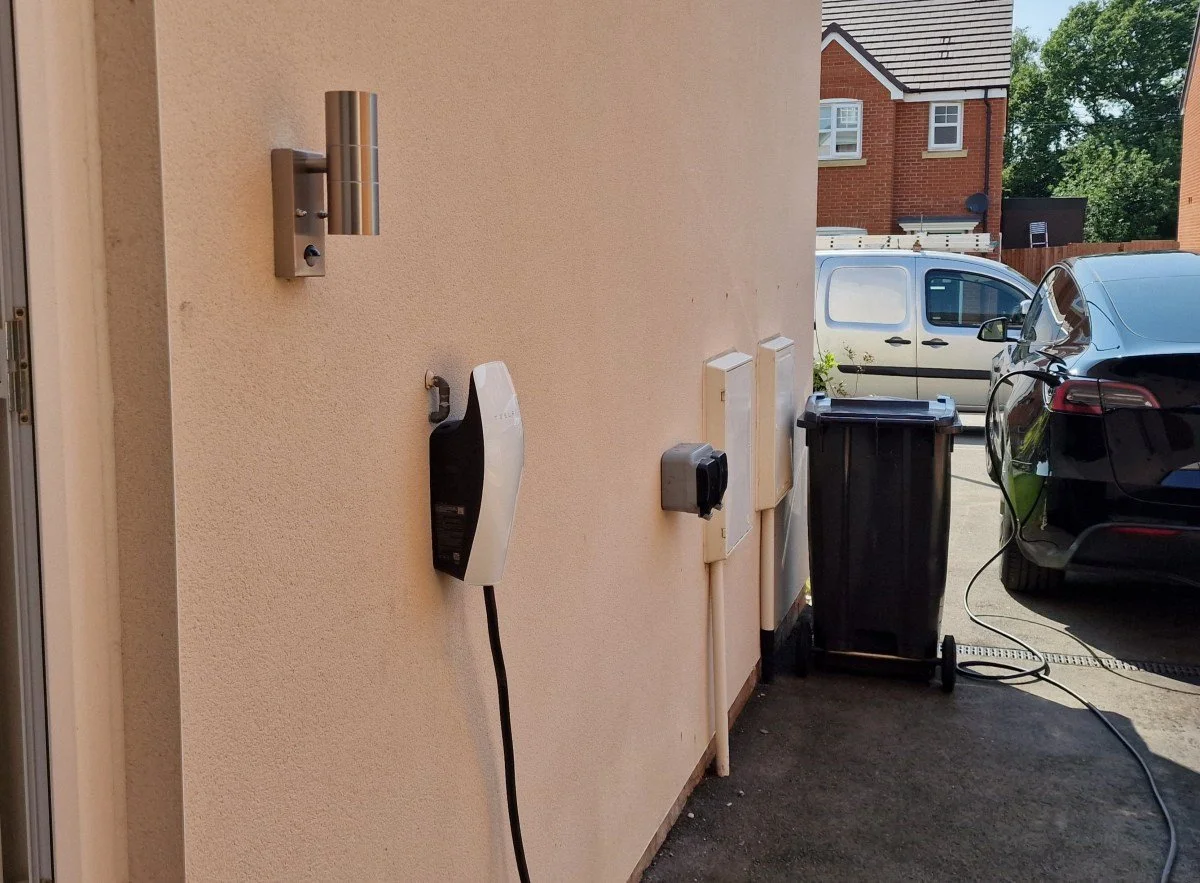
The true magic of owning an electric vehicle comes when you can plug it in right at home, go to sleep, and wake up to a "full tank" every single morning.
Achieving that seamless reality requires a proper EV home charger installation. While it might sound like a straightforward plug-and-play setup, installing a dedicated electric car charging port involves detailed electrical load assessments, dedicated circuits, and strict safety compliance.
In this comprehensive guide, we will break down everything you need to know about setting up a home charging station. You’ll learn about the different charger levels, infrastructure requirements, installation costs, and how to future-proof your home’s electrical system.
What is an EV Home Charger Installation?
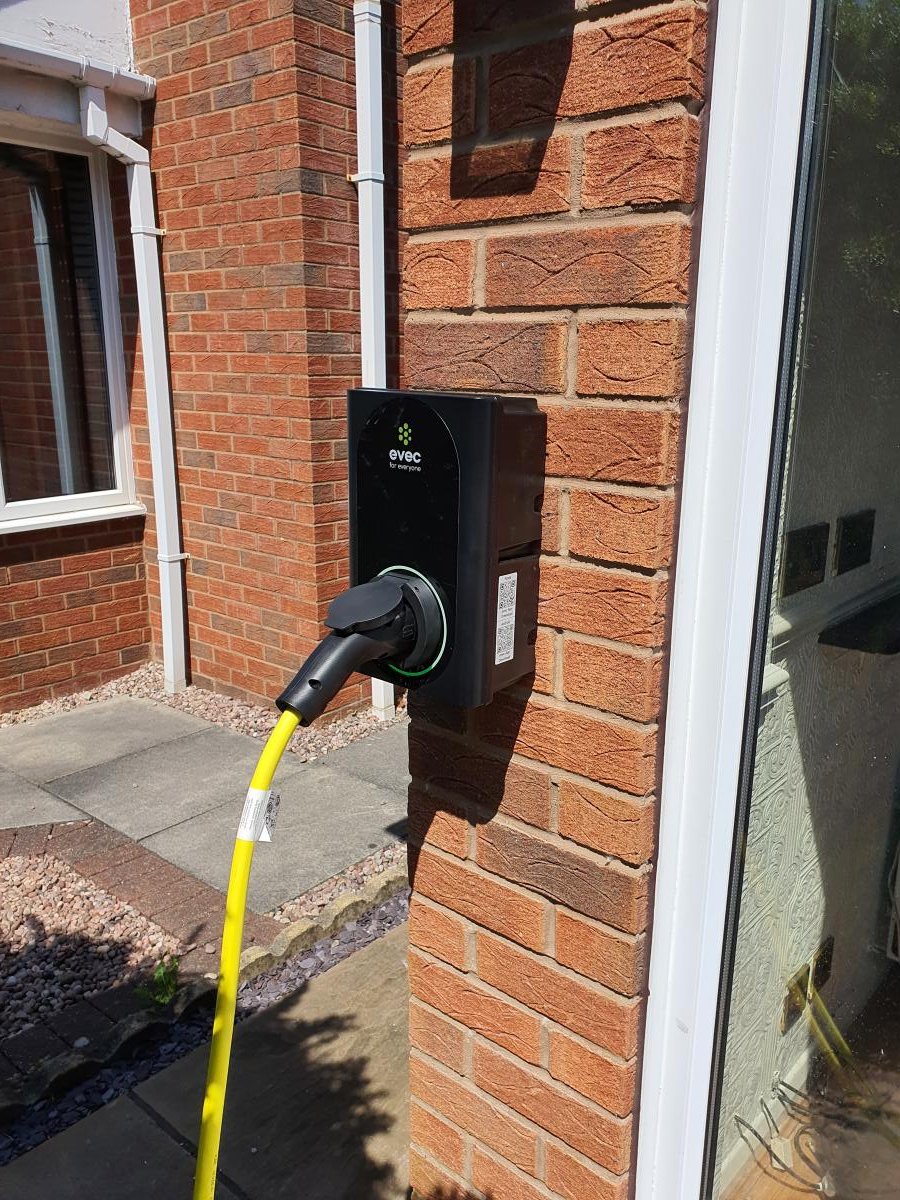
Featured Snippet Definition: An EV home charger installation is the process of adding a dedicated, high-capacity electrical circuit and a specialised charging station (typically a Level 2 charger) to a residential property. This installation allows EV owners to charge their vehicles significantly faster and safer than using a standard domestic wall outlet. It requires a certified electrician to evaluate the home’s electrical panel, run heavy-duty conduit, and safely wire the charging unit.
The Core Benefits of a Home Charging Station
Before diving into the technical mechanics of the installation, let's look at why investing in a dedicated electric car charger home setup is one of the smartest upgrades you can make for your property.
1. Unmatched Daily Convenience
No more detours to public fast-chargers or planning your day around battery levels. With a home charging point, plugging in your vehicle becomes as routine and effortless as plugging in your smartphone before bed.
2. Massive Long-Term Cost Savings
Public charging networks frequently charge premium rates for electricity. Charging your car at home allows you to take full advantage of residential electricity rates. Even better, if your utility provider offers time-of-use tariffs, you can program your smart EV charger to run exclusively during off-peak midnight hours when electricity is at its absolute cheapest.
3. Faster Charging Speeds
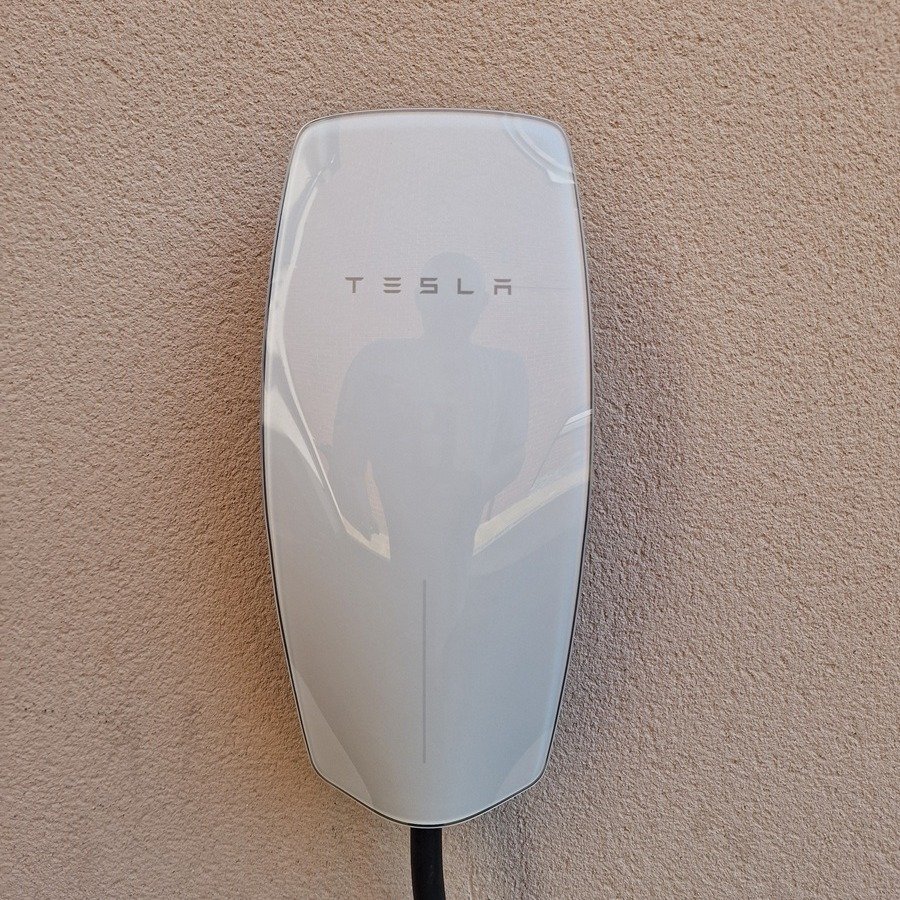
A standard domestic wall outlet (Level 1) is incredibly slow, often taking over 24 hours to fully charge an EV battery. Upgrading to a dedicated Level 2 home charging station drastically reduces charging time, allowing you to fully charge most electric vehicles in just 4 to 8 hours.
4. Increased Property Value
As electric vehicle adoption skyrockets globally, homebuyers actively look for properties that are already EV-ready. Having a professionally installed, certified charging station in your garage or driveway instantly boosts your home’s marketability and value.
Understanding EV Charging Levels: Level 1 vs. Level 2
When researching how to power your vehicle at home, you will encounter references to "Level 1" and "Level 2" charging. Understanding the difference is crucial for choosing the right system for your lifestyle
While Level 1 can work in a pinch for low-mileage drivers or plug-in hybrids with tiny batteries, a Level 2 charger is the gold standard for any modern full-electric vehicle.
Key Requirements for Installing a Home Charging Station
Your home’s electrical system is a finely balanced grid. Adding a high-draw appliance like a Level 2 EV charger requires careful preparation. A certified EV charger installer near me will evaluate three main infrastructure components before beginning work.
1. Electrical Panel Capacity (Amperage)
Your main electrical panel (or consumer unit) dictates how much total electrical current your home can pull from the main grid at any one time. Older homes often feature 100-amp panels, while newer properties are equipped with 200-amp panels.
A Level 2 EV charger typically demands a dedicated 40-amp or 50-amp circuit breaker. If your existing panel is already nearing capacity due to air conditioning, electric water heaters, and hot tubs, your system will struggle.
2. Physical Space and Location
Where do you park your car? The physical location of your charger matters immensely. The charging unit needs to be mounted close enough to your parking spot so that the charging cable can reach your vehicle's port comfortably without being stretched or creating a tripping hazard. If your electrical panel is on the opposite side of the house from your driveway, running the heavy-duty conduit through walls or underground trenches will increase the installation complexity.
3. Local Permits and HOA Guidelines
In most jurisdictions, installing a new 240V dedicated circuit requires an electrical permit from your local building department. Additionally, if you live in a community governed by a Homeowners Association (HOA), you may need to submit a formal request and obtain design approval before mounting an exterior charging unit.
Do I Need to Upgrade My Electrical Panel for an EV Charger?
This is one of the most common questions homeowners ask. The short answer is: it depends on your home’s existing electrical load.
An experienced electrician will perform a professional load calculation. This calculation aggregates the electrical demands of all your existing appliances to see if there is enough "headroom" left to handle an EV charger.
To understand how power demands translate, electricians use the fundamental power formula:
P = V \times I
Where:
P is Electrical Power measured in Watts W or kW
V is Voltage measured in Volts ($\text{V}$)
I is Current measured in Amperes ($\text{A}$)
For example, a standard 40-amp Level 2 charger operating on a 240V circuit draws:
$$240\text{ V} \times 40\text{ A} = 9,600\text{ Watts (9.6 kW)}$$
This is a massive continuous draw—equivalent to running multiple central air conditioning units simultaneously. If your load calculation reveals that your existing panel cannot safely manage this extra 9.6 kW, you will need to invest in a panel upgrade to prevent fire hazards and frequent breaker trips. For a deeper look into the health of your home's electrical core, check out our guide on Signs Your Home Needs an Electrical Panel Upgrade
The Step-by-Step EV Home Charger Installation Process
When you hire a licensed professional like Dan Electrician, the installation process is highly structured to guarantee safety, aesthetic cleanliness, and complete code compliance.
Step 1: The Initial Site Assessment
Your electrician will inspect your main panel, measure the distance from the panel to your preferred charging location, and determine the optimal route for the wiring. They will also discuss whether you prefer a hardwired unit or a plug-in style charger
Step 2: Running the Conduit and Wiring
The electrician will install heavy-duty, protective conduit along walls, through ceilings, or underground to shield the thick copper wires required to carry high-voltage current. This ensures the wires are safe from accidental impacts, moisture, and pests.
Step 3: Installing the Circuit Breaker
A brand-new, dedicated double-pole breaker will be added to your electrical panel. This breaker is solely responsible for protecting the EV charging circuit, ensuring that if an electrical fault occurs within the car or the charger, the power cuts off instantly without affecting the rest of your home.
Step 4: Mounting and Connecting the Charger
The charging station is securely mounted to your garage wall or an exterior pedestal. The wires are then meticulously connected to the unit's internal terminals. If you choose a plug-in unit, the electrician will install a heavy-duty, weather-resistant 240V outlet for you to plug the charger into.
Step 5: Final Testing and Inspection
Before signing off on the project, the technician will run comprehensive diagnostics to test voltage stability, grounding continuity, and smart connectivity functions. This ensures your vehicle receives a clean, steady stream of power.
+-------------------------------------------------------------------+ | PROACTIVE HARDWIRING TIP |
| While plug-in chargers offer portability, hardwiring a Level 2 | | charger directly to the wall is generally preferred. Hardwired | | connections allow for higher maximum charging speeds (up to 48A | | or 50A) and eliminate an extra point of failure (the outlet plug).| +-------------------------------------------------------------------+
Why You Should Avoid DIY EV Charger Installation
With an abundance of online tutorials available, some homeowners contemplate tackling this project as a weekend DIY task. However, working with high-voltage electricity is exceptionally dangerous and carries severe long-term risks.
Extreme Electrocution and Arc Flash Risks
Working inside a live main electrical panel exposes you to currents capable of causing instant, fatal injuries. One slipped screwdriver can spark an arc flash—an electrical explosion that reaches blinding temperatures and causes severe burns.
The Threat of Electrical Fires
If a wire terminal is not tightened to the exact torque specifications required by code, it creates an area of high electrical resistance. Over time, as your car draws high power continuously for hours on end, this loose connection will generate intense heat, melt plastic components, and eventually ignite a structural fire inside your walls.
Insurance and Code Consequences
Most homeowner's insurance policies explicitly state that major electrical modifications must be performed by a certified professional. If an unpermitted, DIY electrical installation causes a fire, your insurance provider has the legal right to deny your claim entirely, leaving you personally liable for all property damage. Always consult national safety standards like the NICEIC to understand standard safety regulations.
Expected Costs of a Home Charging Station Setup
When budgeting for your new setup, you need to account for two main components: hardware costs and labour/installation costs.
The Charger Hardware: A high-quality, smart Level 2 home charging station typically ranges from £350 to £1850. Features like Wi-Fi tracking, smartphone apps, and outdoor-rated weatherproof casings influence the final price.
The Installation Labour: Standard installation costs generally fall between £200 and £1,500. This variance depends entirely on how close your electrical panel is to your parking spot, local permitting fees, and whether your home requires custom conduit runs.
Panel Upgrade Costs (If Required): If your home requires a complete upgrade to a 100-amp panel to accommodate the charger, this foundational upgrade can add between £300 and £3,500 to the total project cost.
To get an accurate, clear breakdown tailored to your specific home layout, you can easily request a transparent quote through our Dan Electrician Online Booking Portal
Frequently Asked Questions (FAQs)
How much does it cost to install an EV charger at home?
On average, the installation labour and materials for a residential Level 2 EV charger run between £200 and £1,500, excluding the cost of the charger itself. If your home has an older electrical panel that requires a capacity upgrade to handle the load safely, the total cost can increase by an additional £3,500 to £3,500.
Do I need to upgrade my electrical panel for an EV charger?
Not necessarily. If your home already has a modern panel with vacant breaker slots and a relatively low overall energy demand, you can likely install a Level 2 charger without an upgrade. However, if your home runs on an older 100-amp service or has heavy-draw appliances like central AC and electric heating, an upgrade is usually required to prevent dangerous system overloads.
Can I install my own electric car charger?
No, DIY installation is highly discouraged and often illegal under local building regulations. Installing a Level 2 charging station requires running high-voltage 240V lines, performing complex structural load calculations, and pulling municipal permits. For your physical safety and to keep your homeowner's insurance policy valid, you should always hire a licensed, insured electrician.
How long does an EV home charger installation take?
For a standard installation where the main electrical panel is located in or near the garage, a professional electrician can complete the job in 2 to 4 hours. If the installation requires routing conduit across long distances, running wires through finished living spaces, or executing a full electrical panel upgrade, the project may take a full working day.
Can I install an EV charger outdoors if I don't have a garage?
Yes, absolutely. Many premium Level 2 charging units are specifically engineered with weatherproof NEMA 3R or NEMA 4 enclosures. These systems are fully rated to withstand rain, snow, ice, and extreme heat, allowing them to be safely mounted to an exterior brick wall or a dedicated outdoor post alongside your driveway.
Power Your Journey with Dan Electrician
Transitioning to an electric vehicle is a fantastic step toward a more efficient, future-focused lifestyle. Don't let slow, inefficient charging dampen your EV experience.
At Dan Electrician, we specialise in providing safe, reliable, and pristine EV home charger installation services. From managing your local municipal permits and calculating your precise panel load capacity to neatly mounting your favourite smart charger, our certified team handles the entire process with professional care.
Ready to wake up to a fully charged vehicle every single day? Contact Dan Electrician today to schedule your comprehensive EV home charger consultation! Let us help you power your drive safely and efficiently.
