

Why Does My RCD Keep Tripping?
The Complete Homeowner's Guide to Finding the Cause Safely.
If your RCD keeps tripping, it can be frustrating and inconvenient—especially if it happens repeatedly or leaves part of your home without power.
The good news is that an RCD tripping is usually a sign that it's doing exactly what it was designed to do: protecting you and your family from electric shock and potentially dangerous electrical faults.
In this guide, we'll explain why an RCD trips, the most common causes, what you can safely check yourself, and when it's time to call a qualified electrician.
What Is an RCD?
A Residual Current Device (RCD) is a safety device fitted inside your consumer unit (often called a fuse box).
Unlike an ordinary circuit breaker, an RCD constantly monitors the electrical current flowing through a circuit.
If it detects electricity leaking somewhere it shouldn't—known as an earth leakage fault—it disconnects the power in milliseconds, helping prevent:
Electric shock
Electrical fires
Damaged electrical equipment
Serious injury
Modern homes in the UK rely on RCD protection to comply with BS 7671 (IET Wiring Regulations) and improve electrical safety.
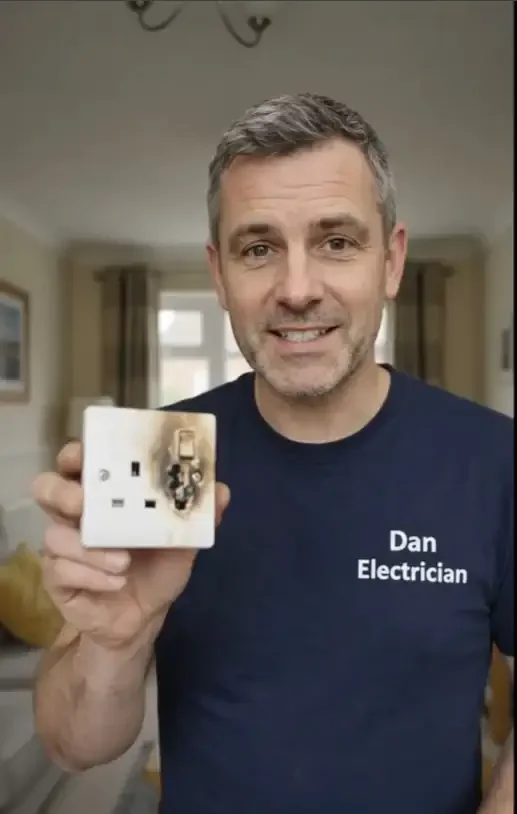
Why Does an RCD Keep Tripping?
An RCD trips because it detects an imbalance between the live and neutral conductors. That imbalance means some electricity is escaping to earth instead of returning through the circuit. This can happen for several reasons.
1. A Faulty Appliance
This is the most common cause.
Any appliance can develop an internal fault, including:
Kettles
Washing machines
Dishwashers
Tumble dryers
Toasters
Microwaves
Electric showers
Extension leads
Outdoor equipment
Even a small internal insulation fault may be enough to trip the RCD.
What to do
Unplug everything protected by the tripped RCD.
Reset it.
Reconnect appliances one at a time until the RCD trips again.
If one appliance consistently causes the trip, stop using it until it's repaired or replaced.
2. Water or Moisture
Water and electricity don't mix.
Moisture inside:
Outdoor sockets
Security lights
Garage wiring
Bathroom accessories
Kitchen appliances
can create leakage currents that trip an RCD.
This often happens after:
Heavy rain
Flooding
Jet washing
Condensation
Garden work
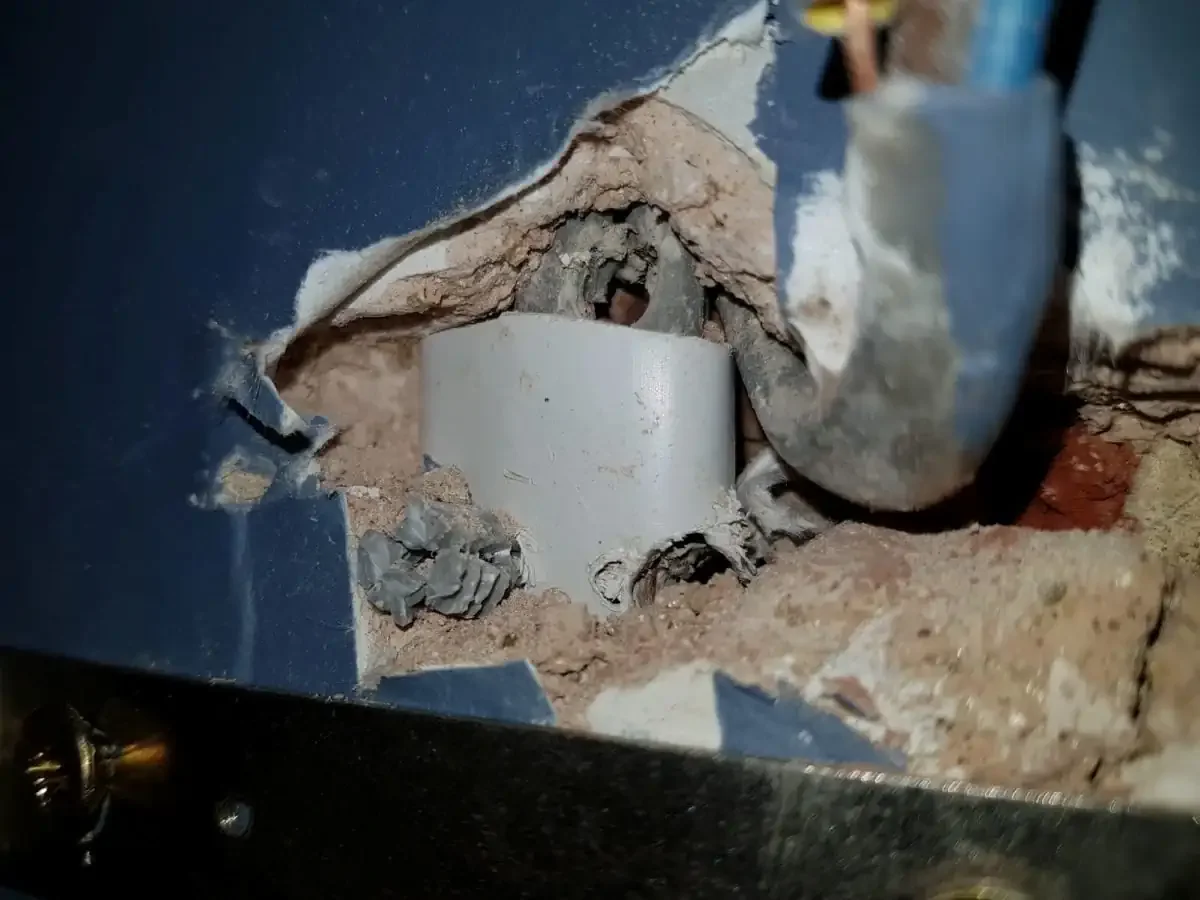
3. Damaged Wiring
Electrical cables hidden inside walls, lofts or under floors can become damaged by:
DIY work
Nails and screws
Rodents
Age
Heat damage
Poor previous installations
Damaged insulation allows electricity to leak to earth, causing repeated RCD trips.
4. Faulty Outdoor Equipment
Outdoor electrical equipment experiences far harsher conditions than indoor wiring.
Common culprits include:
Garden sockets
Pond pumps
Outdoor lighting
Electric gates
Hot tubs
Sheds
Garages
Weather exposure can eventually cause insulation failure.
5. A Faulty RCD
Although uncommon, the RCD itself can fail.
Signs include:
Trips randomly
Won't reset
Trips with nothing connected
Becomes increasingly sensitive
An electrician can quickly test whether the RCD or another fault is responsible.
6. Multiple Small Leakage Currents
Modern homes contain lots of electronics.
Items such as:
Computers
TVs
Chargers
LED drivers
Washing machines
Boilers
Heat pumps
all create tiny leakage currents.
Individually, these are harmless, but together they can exceed the RCD's operating threshold.
This is one reason many electricians now recommend RCBOs, which protect each circuit individually.
What Should You Do When Your RCD Trips?
Follow these simple steps.
Step 1
Turn off or unplug appliances connected to the affected circuits.
Step 2
Attempt to reset the RCD.
Step 3
Reconnect appliances one by one.
Step 4
If the RCD trips again immediately, stop resetting it repeatedly.
Step 5
Call a qualified electrician to carry out electrical fault finding.
What NOT to Do
Avoid these common mistakes:
❌ Keep forcing the RCD back on
❌ Ignore repeated trips
❌ Replace the RCD yourself
❌ Bypass the safety device
❌ Use damaged extension leads
The RCD is protecting you from a potentially dangerous fault.
Is It Dangerous if an RCD Keeps Tripping?
Potentially, yes.
Repeated tripping may indicate:
Faulty electrical equipment
Water ingress
Insulation failure
Electric shock risk
Fire risk
While it could simply be a faulty appliance, repeated RCD trips should never be ignored.
Can I Fix It Myself?
You can safely:
Unplug appliances
Reset the RCD
Identify which appliance causes the trip
You should not:
Remove the consumer unit cover
Replace breakers
Work on fixed wiring
Attempt electrical repairs unless you're competent and qualified
How an Electrician Finds the Fault
Professional electricians use specialist test equipment to locate faults quickly without unnecessary guesswork.
Typical testing includes:
Insulation resistance testing
Earth leakage testing
Circuit continuity testing
RCD performance testing
Visual inspection
Appliance testing where required
This allows the faulty circuit or appliance to be identified safely and accurately.
Can an RCBO Prevent This Problem?
Sometimes.
An RCBO combines:
RCD protection
Overload protection
Short-circuit protection
Unlike a shared RCD, an RCBO protects each circuit individually.
That means if one circuit develops a fault, the rest of your home usually remains powered.
Many homeowners upgrading their consumer unit choose RCBOs for improved safety, easier fault finding and reduced disruption.
Frequently Asked Questions
Why does my RCD trip at night?
This may be caused by storage heaters, immersion heaters, outdoor equipment affected by damp, or appliances operating automatically on timers.
Why does my RCD trip when it rains?
Moisture entering outdoor electrical equipment, garden lighting or sockets is a common cause.
Why won't my RCD reset?
If it won't stay on even after unplugging appliances, there may be a fault with the wiring, a connected circuit, or the RCD itself.
Can one faulty appliance trip the whole house?
Yes. In homes with a split-load consumer unit, one faulty appliance can cause the shared RCD to disconnect power to multiple circuits.
Should I replace my consumer unit?
If your consumer unit is old, lacks modern protection, or experiences frequent nuisance tripping, upgrading to a modern unit with RCBO protection may improve both safety and reliability.
Need Help with an RCD That Keeps Tripping?
If your RCD keeps tripping, don't ignore it. What seems like a minor inconvenience could be warning you about a developing electrical fault.
At Dan Electrician, we provide fast, professional electrical fault finding, RCD testing, consumer unit diagnostics and repairs across Liverpool, Birkenhead, Wirral and the surrounding areas. Using professional test equipment, we identify the root cause efficiently and carry out safe, compliant repairs to restore your electrical system.
Whether the issue is a faulty appliance, damaged wiring, moisture ingress or an ageing consumer unit, we're here to help.
Need an experienced local electrician? Contact Dan Electrician today for prompt, reliable electrical fault finding and expert advice.