

EICR Testing in Liverpool & Birkenhead
Professional Electrical Installation Condition Reports for homeowners, landlords and businesses across Liverpool, Birkenhead and the Wirral. Dan Electrician inspects and tests the fixed electrical installation, identifies defects and provides a clear report explaining the condition of your electrics.
NICEIC Registered · Fully Insured
30+ Years’ Experience
Professional Testing & Clear Reports
What Is an EICR?
An Electrical Installation Condition Report (EICR) is an inspection and test of the fixed electrical installation in a property. It looks at the condition of items such as wiring, consumer units, protective devices, earthing and circuits to identify deterioration, defects or other issues that could affect electrical safety.
What Do EICR Codes C1, C2, C3 & FI Mean?
If an EICR finds an issue, the observation is given a classification code to show how serious it is and what action is recommended. The code is based on the safety risk identified during inspection and testing — not simply whether something complies with the newest version of the Wiring Regulations.
C1 — Danger Present
Immediate action is necessary. A C1 means there is a present danger and a risk of injury. The affected part of the installation may need to be made safe straight away.
C2 — Potentially Dangerous
Urgent remedial action is necessary. A C2 means the inspector has identified a condition that could become dangerous and should be corrected as a priority. A C1 or C2 observation results in an unsatisfactory EICR.
C3 — Improvement Recommended
A C3 means the installation could be improved, but the observation does not by itself make the EICR unsatisfactory. Older electrical work can be safe even though it may not meet every requirement of the latest edition of BS 7671
FI — Further Investigation Advised
FI is used where further investigation is advised because the inspection has identified something that cannot be fully determined within the scope of the EICR. Under BS 7671:2018+A4:2026, an FI observation no longer makes the report unsatisfactory by itself.
An EICR is not about finding reasons to sell unnecessary work. The purpose is to determine whether the electrical installation is in a satisfactory condition for continued use and to clearly explain any safety issues that are found
Who Needs an EICR and How Often?
How often an electrical installation should be inspected depends on the type of property, how it is used and the condition of the installation. The date for the next inspection should also be shown on the EICR itself.
Homeowners
For an owner-occupied home, periodic inspection and testing is commonly recommended at least every 10 years. An earlier inspection can make sense if the installation is older, there are signs of deterioration, significant alterations have been carried out or you are concerned about the condition of the electrics.
Private Landlords
In England, landlords must have the electrical installation in rented properties inspected and tested by a qualified person at least every five years, or sooner where the previous report specifies an earlier date.The landlord must obtain the report and provide a copy to existing tenants within 28 days of the inspection, and to a new tenant before they occupy the property
Social Landlords
Electrical safety requirements were extended to the social rented sector in England in 2025. Social landlords are also required to have electrical installations inspected and tested at least every five years, subject to the transitional arrangements for existing tenancies.
Businesses & Commercial Properties
Periodic inspection intervals for commercial premises depend on the type of installation, its use, environmental conditions and previous inspection findings. Electrical Safety First gives five years as a typical interval for businesses, although some installations may require more frequent inspection.
What Does an EICR Inspection Include?
An EICR looks at the condition and safety of the fixed electrical installation within the property. The inspection combines visual checks with electrical testing to identify deterioration, defects, inadequate protection and other issues that could affect safe continued use.
Consumer Unit & Protective Devices
The consumer unit is inspected along with circuit breakers, RCDs, RCBOs and other protective devices. Testing helps determine whether the protection provided is suitable and operating correctly.
Earthing & Bonding
The inspection checks the earthing arrangements and relevant protective bonding. These are important safety measures designed to reduce the risk of electric shock if an electrical fault occurs.
Wiring & Electrical Circuits
The condition of the fixed wiring and circuits is assessed for signs of damage, deterioration, overloading or other defects that could create an electrical safety risk.
Permanently Connected Equipment
Fixed equipment forming part of the electrical installation can also be included, such as electric showers, extractor fans and the circuits supplying equipment such as solar PV or battery-storage systems.
Sockets, Switches & Lighting
Accessible socket-outlets, switches, light fittings and related accessories are inspected as part of the fixed electrical installation, looking for damage, deterioration or unsafe electrical work
Electrical Testing
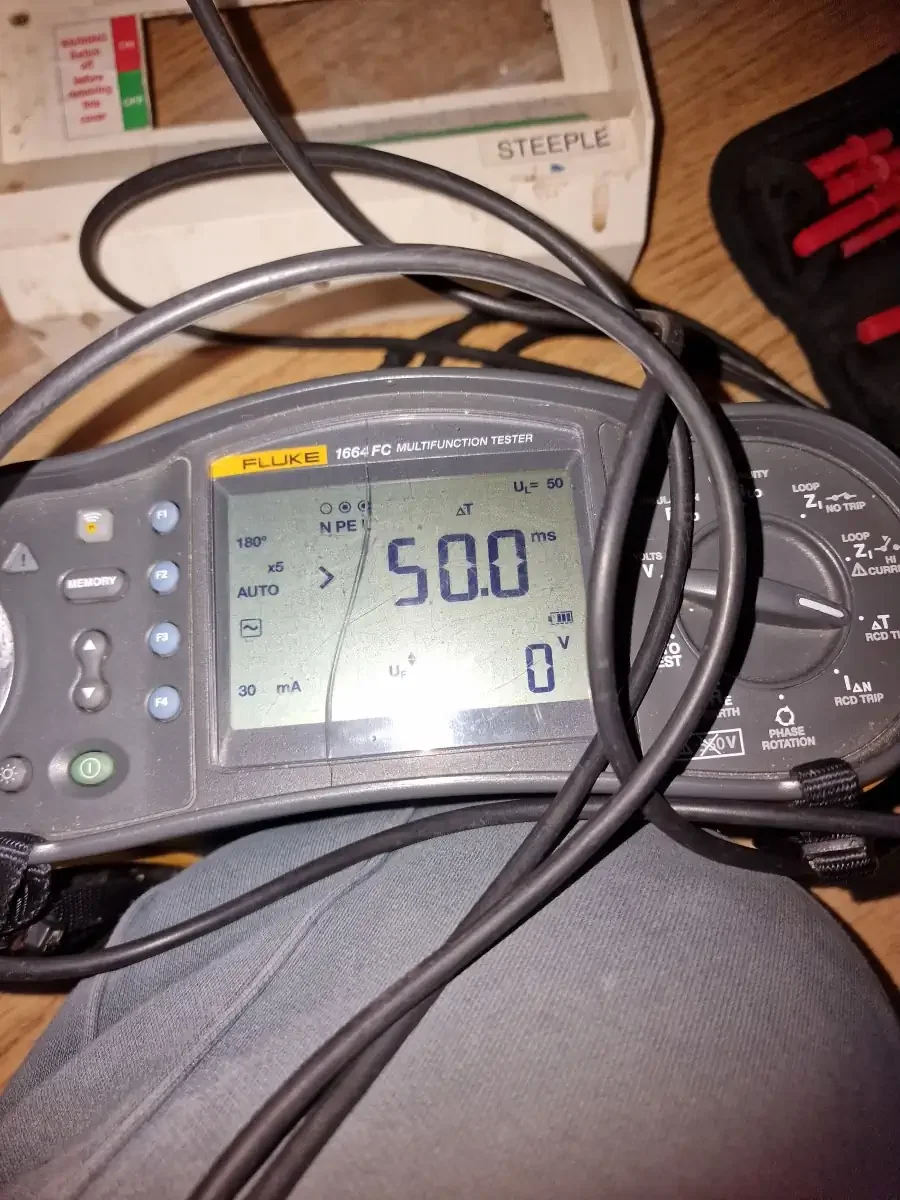
Electrical tests are carried out to assess the condition and performance of the installation and its protective measures. The results are recorded on the EICR together with any observations and classification codes identified during the inspection.
An EICR is primarily an inspection of the fixed electrical installation. Portable appliances such as kettles, televisions and other plug-in equipment are not normally covered by the standard EICR and may require separate inspection or testing.
Does an EICR Mean Every Cable and Socket Is Taken Apart?
No. An EICR involves a combination of inspection and electrical testing, but it does not normally mean dismantling every socket, switch or fitting in the property. The electrician will inspect accessible parts of the installation and may remove selected accessories where necessary to assess the condition of the wiring and connections.
Some areas may be inaccessible or excluded from the inspection — for example wiring concealed inside walls, beneath floors or behind fitted furniture. Any agreed limitations should be recorded on the EICR so it is clear what was and was not inspected.
The aim is to assess the condition of the electrical installation without causing unnecessary damage or disruption to your property.
How Long Does an EICR Take?
The time needed for an EICR depends on the size of the property, the number of electrical circuits, the age and condition of the installation and how easily the electrical accessories can be accessed.
A smaller home with a straightforward installation may take considerably less time than a larger property with multiple consumer units, extensions, older wiring or circuits that require further investigation.
What Can Affect the Inspection Time?
Number of circuits and consumer units
Size and type of property
Age and condition of the electrical installation
Accessibility of sockets, switches and fixed equipment
Previous alterations or extensions
Faults or unusual test results discovered during the inspection
Will the Power Be Turned Off?
Yes, parts of the electrical installation will normally need to be isolated while testing is carried out. This may mean temporary interruptions to lighting, sockets, internet equipment and other electrically supplied equipment.
Where possible, the testing is organised to keep disruption practical and manageable.
Before Your EICR Appointment
You can help the inspection run more smoothly by making sure the consumer unit is accessible and, where practical, allowing access to sockets, switches and other fixed electrical equipment around the property.
We don’t rush an EICR to meet an artificial time limit. The purpose is to carry out a meaningful inspection and testing process and provide a clear picture of the condition of the electrical installation.
Landlord EICR Requirements in Liverpool & Wirral
Landlords in Liverpool, Birkenhead and the Wirral must follow the electrical safety requirements that apply across England. These rules cover both private rented homes and, following changes introduced in 2025, the social rented sector.
Electrical Checks at Least Every Five Years
Landlords must ensure that the fixed electrical installation is inspected and tested by a qualified person at least every five years, or sooner if the previous report specifies an earlier inspection date.
The landlord must obtain a report — usually an Electrical Installation Condition Report (EICR) — showing the results of the inspection and the date by which the next inspection should take place
What Happens if the EICR Is Unsatisfactory?
Where the report identifies C1 or C2 defects, remedial work is required. Where further investigation is required under the landlord regulations, the landlord must also arrange for that investigation to be completed.
Required remedial or investigative work must normally be completed within the period stated in the report and no later than 28 days, although a shorter period may be specified where necessary.
Social Housing Electrical Safety Rules
Electrical safety requirements were extended to social rented homes in England from 2025. Existing social tenancies became subject to the new requirements from 1 May 2026, with transitional arrangements requiring relevant initial inspections to be completed before 1 November 2026. Subsequent inspections must take place at least every five years. Social landlords also have additional requirements relating to electrical equipment they provide as part of the tenancy.
C3 Does Not Mean the Property Has Failed
A C3 — Improvement Recommended
observation does not by itself make the electrical installation unsatisfactory. It means an improvement has been recommended, rather than that mandatory remedial work is required under the landlord electrical safety regulations.
Penalties for Non-Compliance
Local authorities can take enforcement action where landlords fail to meet their duties. Under the current guidance, councils may impose financial penalties of up to £40,000 for specified breaches of the electrical safety regulations.
Landlord in Liverpool or the Wirral? If your electrical inspection is due, Dan Electrician can carry out the EICR, explain the findings clearly and identify any remedial work required.
How Much Does an EICR Cost?
The cost of an EICR depends on the size of the property, the number of circuits and consumer units, the type of installation and how straightforward the electrical system is to inspect and test.
A small flat with a single consumer unit will normally require less testing than a large house, HMO or commercial property with several distribution boards and a greater number of circuits.
What Can Affect the Price?
Size and type of property
Number of electrical circuits
Number of consumer units or distribution boards
Domestic, rental or commercial use
Accessibility of electrical equipment
Age and complexity of the installation
Previous alterations or additions to the wiring
Additional investigation required following unusual test results
Is Remedial Work Included in the EICR Price?
An EICR is an inspection and testing service. If defects are identified, any repair or remedial work required is normally quoted separately.
We will explain the observations on the report and discuss the available options before carrying out additional work.
Finding a fault during an EICR does not mean you are automatically committed to paying for repairs. You receive the report first, along with a clear explanation of anything that requires attention.
EICR Prices for Landlords
Landlord properties can vary considerably, from one-bedroom flats to large HMOs and properties with several consumer units. The quotation is therefore based on the electrical installation being inspected rather than using one price for every property.
If you manage several properties across Liverpool, Birkenhead or the Wirral, contact us to discuss your inspection requirements.
Clear Price Before We Start
We provide a clear quotation before arranging the inspection so you know the cost of the EICR in advance.
If something unusual is discovered that requires work outside the agreed inspection, we will explain it before any additional work is undertaken.
Need a price for your property? Tell us the property type and approximate number of bedrooms and we can advise on the appropriate EICR inspection.
What Happens After Your EICR?
Once the inspection and testing are complete, you’ll receive an Electrical Installation Condition Report showing the condition of the installation, the test results and any observations identified during the inspection.
The report should make it clear whether the installation is considered satisfactory for continued use and whether any repairs, improvements or further investigation are recommended.
If Your EICR Is Satisfactory
If no defects are identified that make the installation unsatisfactory, the report can be recorded as satisfactory.
You may still see C3 — Improvement Recommended observations. These are recommendations for improvement and do not, by themselves, make an EICR unsatisfactory.
If Your EICR Has a C1 or C2
A C1 — Danger Present or C2 — Potentially Dangerous observation means the installation is considered unsatisfactory and remedial work is required.
Where a C1 danger is discovered, immediate action may be necessary to make the affected part of the installation safe.
We’ll explain what has been found, where the problem is and what work is recommended before additional repairs are carried out.
What About an FI Observation?
Under the current BS 7671:2018+A4:2026 EICR format, FI means Further Investigation Is Advised. An FI observation no longer automatically makes the overall EICR unsatisfactory in the way it did under the previous edition.
Where further investigation is recommended, this may involve separate fault-finding or additional testing beyond the original EICR inspection.
If repairs are required, we can explain the observations and provide a quotation for the remedial work.
Depending on the defect, this could involve repairing damaged wiring, improving protective measures, correcting earthing or bonding issues, replacing faulty accessories or upgrading unsuitable electrical equipment.
You are not automatically committed to having remedial work carried out by the electrician who performed your EICR. The report gives you a written record of the findings so you can make an informed decision about the next step.
Additional Requirements for Landlords
For rented properties in England, where the report identifies remedial or further investigative work that is required under the electrical safety regulations, landlords must normally arrange for it to be completed within 28 days, or sooner if the report specifies a shorter period.
After the required work has been completed, appropriate written confirmation or electrical certification should be provided. GOV.UK lists documents such as a satisfactory EICR, Electrical Installation Certificate or Minor Electrical Installation Works Certificate as possible evidence, depending on the work undertaken.
An unsatisfactory EICR doesn’t automatically mean the property needs rewiring.
Often the defects can be corrected individually. We’ll explain what actually needs attention before recommending the appropriate remedial work.
EICR for Home Buyers & Property Owners
An EICR can also be useful when buying a property, particularly if there is no recent electrical inspection report available or the installation appears to have been altered over the years.
Electrical Safety First recommends asking whether the electrics have been fully checked within the previous ten years and requesting a copy of the EICR. If there is no recent report, having the installation inspected can help identify electrical issues before they become an unexpected problem after moving in.
Buying an Older Property?
Older wiring does not automatically mean a property needs rewiring. An EICR provides a much better basis for deciding what, if anything, requires attention.
The inspection can identify issues such as deterioration, inadequate earthing or bonding, unsuitable protective devices, damaged accessories or electrical work that may require further attention.
Already Own Your Home?
For owner-occupied homes, periodic electrical inspection is commonly recommended at intervals of around 10 years, although an earlier inspection may be appropriate depending on the condition and history of the installation.
You may also want an EICR if you have recently bought an older property, cannot find previous electrical records or have concerns about alterations carried out by previous owners.
An EICR gives you information about the condition of the installation — it should not be used as an excuse to recommend unnecessary replacement work.
EICR Testing Across Liverpool, Birkenhead & the Wirral
Dan Electrician provides Electrical Installation Condition Reports for homeowners, landlords and businesses across Liverpool, Birkenhead and the wider Wirral.
From older terraced homes and rental properties to larger houses and commercial premises, every electrical installation is different. The inspection and testing is therefore based on the property in front of us rather than treating every EICR as an identical job.
Liverpool & North Liverpool
We carry out EICR testing throughout Liverpool and surrounding areas, including Bootle, Aintree, Crosby and Formby.
Whether you need a landlord electrical inspection, want the electrics checked in your own home or are concerned about an older installation, we can inspect and test the fixed electrical system and provide a clear written report.
Birkenhead & the Wirral
From our Birkenhead base, we cover properties throughout the Wirral, including Wallasey, Prenton, Bebington, Upton, Greasby, Heswall, West Kirby, Hoylake and Bromborough.
We work with homeowners, landlords and businesses requiring periodic electrical inspection, fault assessment and remedial electrical work.
Not sure whether we cover your area? Give Dan a call — nearby locations across Merseyside are usually no problem.
Why Choose Dan Electrician for Your EICR?
An EICR should be more than a quick inspection followed by a report full of technical codes you do not understand.
Our approach is to inspect the installation properly, record what we find and explain any observations in straightforward language.
NICEIC Registered
Electrical inspection and testing requires the knowledge and experience to assess an existing installation correctly, not simply operate a test meter.
Periodic inspection and testing should be carried out by an electrically competent person.
No Automatic Repair Work
An EICR is an inspection and testing service.
If remedial work is required, we can provide a quotation, but you are not automatically committed to having the repairs carried out by us.
30+ Years of Electrical Experience
Older properties can contain several generations of electrical work. Experience matters when distinguishing between an installation that is simply older and one containing defects that create a genuine safety concern
Testing Without Unnecessary Disruption
Electrical testing requires access to parts of the installation and temporary isolation of circuits, but the inspection is organised to keep disruption practical while still carrying out the necessary checks.
Clear EICR Reports
If an observation is recorded, we will explain what has been found, what the classification means and whether action is required or simply recommended.
Homeowners, Landlords & Businesses
We provide EICRs for owner-occupied homes, rental properties and commercial premises across Liverpool, Birkenhead and the Wirral.
Proper testing. Clear findings. Practical advice about what actually needs attention.
EICR Frequently Asked Questions
-
Not exactly. An Electrical Installation Condition Report records the condition of an existing electrical installation following inspection and testing.
The report contains test results, observations and classification codes and indicates whether the installation is considered satisfactory or unsatisfactory for continued use. Different electrical certificates are used for new installation work, alterations and additions, so an EICR should not be confused with an Electrical Installation Certificate.
-
There is not one universal inspection interval for every type of property.
For owner-occupied homes, periodic inspection is commonly recommended around every 10 years. Electrical Safety First gives five years as a typical interval for rented homes and businesses, although the condition and type of installation can result in an earlier recommended inspection date. For landlords in England, the legal requirement is an electrical inspection at least every five years, or sooner where the previous report specifies a shorter period. The next recommended inspection date will be recorded on the report.
-
EICRs are normally described as satisfactory or unsatisfactory rather than simply pass or fail.
Where dangerous or potentially dangerous defects are identified, such as C1 or C2 observations, the overall installation will be recorded as unsatisfactory and remedial action will be required. A C3 observation means improvement is recommended and does not, by itself, make the report unsatisfactory. Under BS 7671:2018+A4:2026, FI has also been separated from C1 and C2 and is now advisory rather than automatically producing an unsatisfactory outcome.
-
Not automatically.
An EICR assesses the safety and condition of the electrical installation. The age or appearance of a fuse box on its own does not tell the full story.
The inspector considers the protective arrangements, condition of the equipment, wiring, earthing, bonding and the results of electrical testing before deciding which observations, if any, should be recorded
-
Normally, no.
An EICR primarily covers the fixed electrical installation, including wiring, socket-outlets, lighting and the consumer unit. Plug-in appliances generally fall outside the normal scope of the EICR.
Separate inspection or testing may be appropriate where electrical equipment needs to be assessed.
-
A new EICR is not automatically required every time the tenant changes if an existing report remains valid and no earlier inspection or outstanding work is required.
However, a new tenant must be given a copy of the current report before they occupy the property. Existing tenants must receive the report within 28 days of the inspection.
-
Where a landlord's report identifies remedial or further investigative work required under the regulations, the work must normally be completed within 28 days, or within a shorter period if the report specifies one.
-
No.
Some unsatisfactory reports involve individual defects that can be repaired without replacing the entire electrical installation.
Whether rewiring is appropriate depends on the condition of the wiring, the extent of the defects and the results of inspection and testing.
We assess the installation first and recommend work based on what is actually found.
Helpful Electrical Safety Guides
Want to understand your electrical installation before booking an inspection? These guides explain some of the issues commonly found during electrical testing.
Why Does My RCD Keep Tripping?
An RCD that repeatedly trips may be responding to an appliance fault, damaged wiring, moisture or another electrical problem.
Fuse Box vs Consumer Unit
Not sure whether you have an old fuse box or a modern consumer unit? This guide explains the main differences and the protection you may find inside them.
Consumer Unit Replacement
If testing shows that your existing fuse box is unsuitable or an upgrade is recommended, learn what is involved in replacing it with a modern consumer unit.
Need an EICR in Liverpool or Birkenhead?
Whether you're a homeowner wanting to understand the condition of your electrics, a landlord with an inspection becoming due or a business requiring periodic electrical testing, speak to Dan.
We'll inspect and test the installation, provide your Electrical Installation Condition Report and explain the findings clearly — without turning every observation into a sales pitch.
Signs Your Fuse Box Is Dangerous
Heat damage, burning smells, buzzing, exposed live parts or obvious deterioration should not be ignored.
RCD vs RCBO
Understand how RCDs and RCBOs protect electrical circuits and why modern consumer units increasingly use individual circuit protection.
READ: RCD VS RCBO
Electrical Fault Finding
Not every electrical problem requires a full EICR. If you have a specific fault such as repeated tripping, loss of power or an individual circuit problem, electrical fault finding may be the more appropriate service.
NICEIC Registered · Fully Insured
30+ Years’ Experience · Professional Testing & Clear Reports
Serving Liverpool, Birkenhead & the Wirral